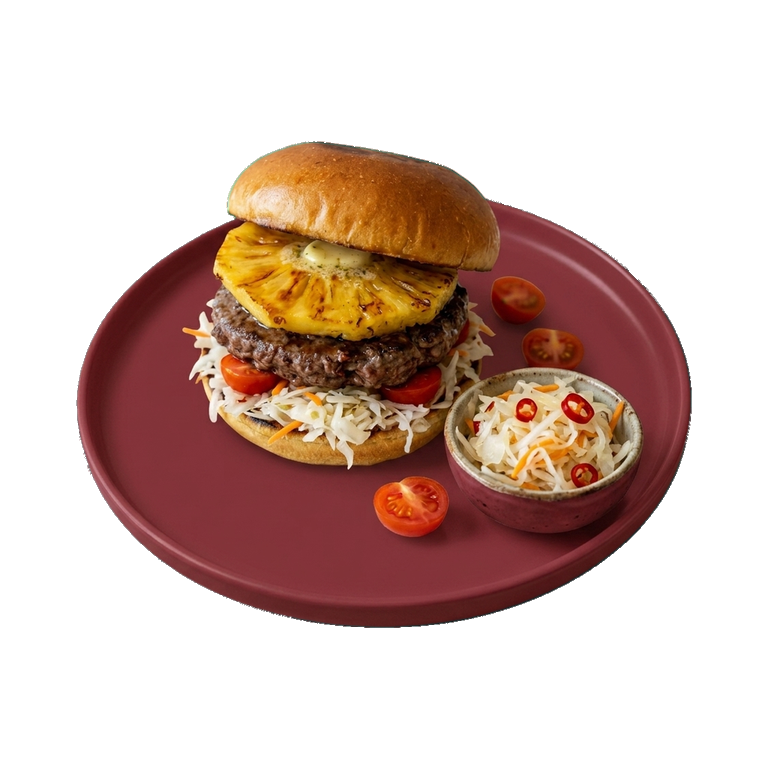
Usuba
Usuba
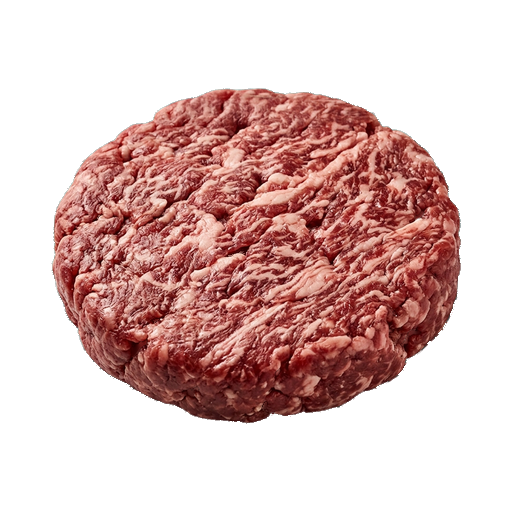
Marbled Beef Cutlet
Marbled beef cutlet is a dish made from premium meat with thin layers of fat that give the cutlet juiciness and rich flavor. The marbled structure of the meat ensures even fat distribution during frying, which keeps the cutlet tender inside and creates an appetizing crust on the outside. When selecting, pay attention to the uniformity of the fat layers and the fresh appearance of the meat, and cook such a cutlet at medium heat to avoid drying out the delicate meat.
About
What is marbled beef and why is it special
Marbled beef is meat with thin fat streaks evenly distributed throughout the muscle. These fatty lines melt during cooking, making the cutlet juicy, tender, and aromatic. This meat structure is achieved due to a special intramuscular fat content that does not accumulate at the edges but permeates the fibers. This is exactly what distinguishes marbled beef from ordinary beef and makes it a premium product in the kitchen.
How to Cook Marbled Beef Cutlet
Main rule: don't overcomplicate things. Marbled beef is rich in flavor on its own and doesn't need marinades or an abundance of spices. It's enough to generously salt and pepper before frying. If you add breading, make it thin — breadcrumbs or ground crackers will only emphasize the meat's texture without overpowering its taste.
In a pan with well-heated oil, the cutlet fries quickly: 3–4 minutes on each side for medium-rare. The fat inside the meat creates a natural "lubricant", so the cutlet doesn't stick and cooks evenly. It's important not to press it with a spatula — let the meat brown peacefully, and it will come away from the bottom of the pan on its own.
What to serve with and what to add
Marble beef cutlets work well in simple combinations. The classic version is with potatoes, herbs, and a light sauce. Grilled vegetables, fresh salads with a sharp dressing that balances the richness of the meat are also suitable. If you're making a sauce, choose sharp and sour options: mustard, radish, vinegar dressings, spicy tomato sauce. They contrast with the fattiness and make the dish more balanced.
Selection and Storage
- Look at the color: marbled beef should be bright red or dark red, fat should be white or creamy
- Check that the fat veins are evenly distributed across the entire surface of the cutlet — this is a sign of quality meat
- The cutlet should be firm, with no moisture on the surface of the packaging
- Store in the refrigerator for 2–3 days in an airtight container
- In the freezer — up to 3 months; thaw in the refrigerator, not on the counter
Marbled beef is an investment in dish quality. It requires minimal manipulation and maximum respect for its flavor. A properly cooked cutlet will reveal all the tenderness and aromaticity that intramuscular fat provides, and will become a decoration for any table.
Nutrition
per 100 g
- Calories
- 250 kcal
- Protein
- 18 g
- Fat
- 19 g
- Carbs
- 0 g
Measures and weight
- 1 pcs
- 150 g
Measure calculator
- Weight
- 100 g
- Calories
- 250 kcal