Usuba
Usuba
Mayonnaise
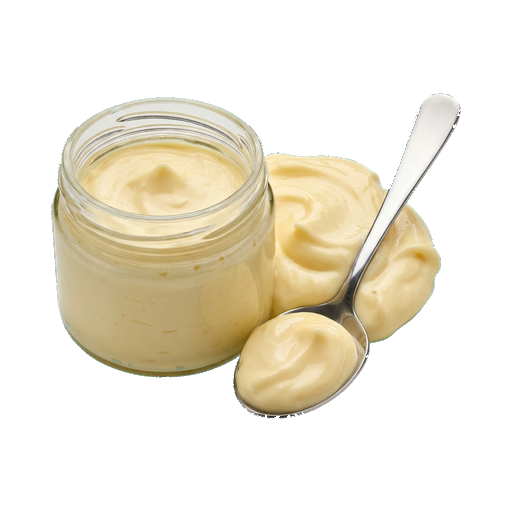
An emulsified sauce made from egg yolk, vegetable oil, and acid, characterized by a delicate creamy consistency and mild buttery flavor. Used as a base for cold appetizers, salads, sandwiches, and sauces, as well as serving as a binding component in the preparation of complex dishes. When selecting, pay attention to emulsion stability and the absence of separation, and during storage it is important to maintain cold temperature, as the high egg content requires adherence to food safety conditions.
About
Provençal Mayonnaise is a classic emulsion that has become an integral part of everyday cooking. Its creamy consistency and neutral taste with a barely noticeable tanginess make it a versatile kitchen helper: from simple sandwiches to complex sauces and marinades. Unlike denser or spicier counterparts, this version stands out for its delicacy and does not overpower the dish's own flavor.
Taste and Aroma
The foundation of the taste is determined by egg yolk and vegetable oil, which create a soft, enveloping profile. Lemon juice or vinegar adds a light acidity that is not aggressive, but rather balancing. Some manufacturers introduce mustard — it imparts a subtle spiciness and helps stabilize the emulsion. The saltiness is carefully balanced so as not to overpower the main components of the dish.
Where and how to use
Provençal mayonnaise works everywhere you need a creamy base. It's ideal for dressing salads — it doesn't weigh down leafy greens and coats vegetables well. In sandwiches and wraps, it serves not just as a spread, but as a binding agent between components. It's easy to make sauces based on it: add garlic and herbs for aioli, mix with hot spices for a spicy version, or dilute with broth for a lighter consistency.
Food pairings
- With potatoes — in Olivier salad, vinaigrettes, and potato salads, it creates the necessary moisture without excessive heaviness
- With seafood — crème brûlée from scallops, salads with crab or shrimp benefit from its delicate texture
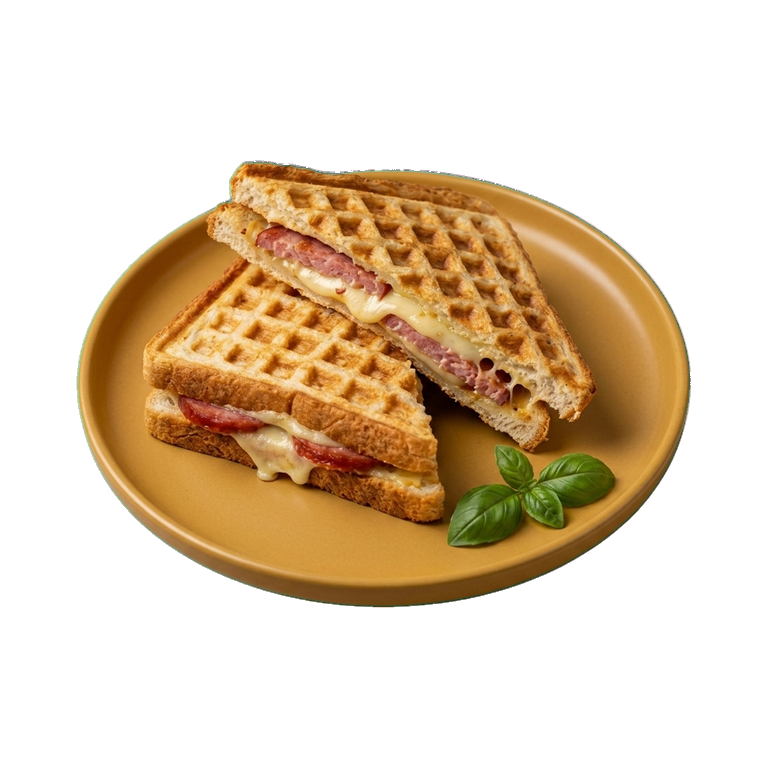
- With smoked meat and sausages — neutral base does not compete with smoky aroma
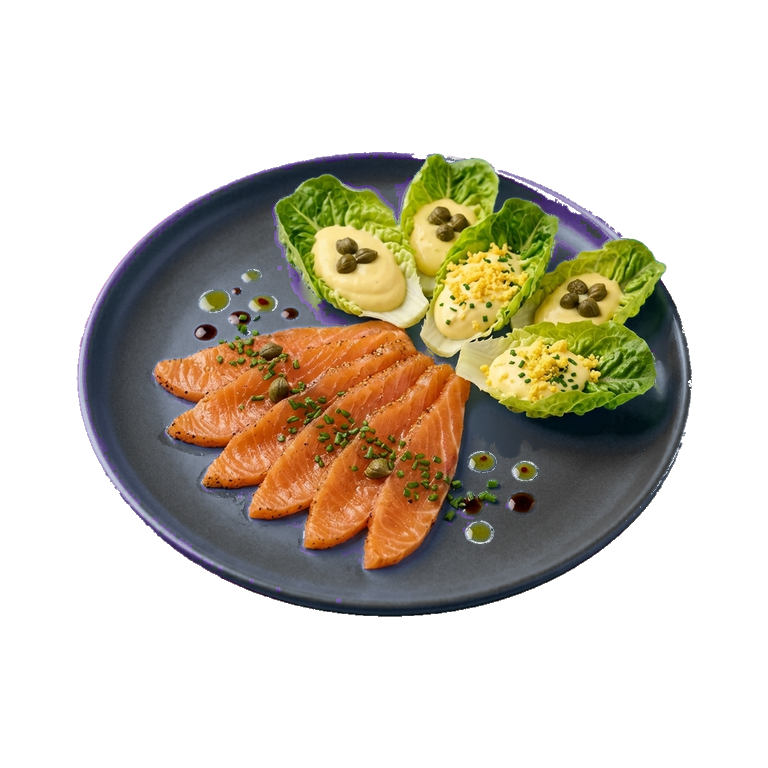
- With eggs — in stuffed eggs, as a base for fish tartare
- With grilled vegetables — helps bind textures and adds creaminess
Selection and Storage
When selecting, pay attention to the consistency — it should be uniform, without lumps or separation. The color varies from cream to light yellow depending on the manufacturer and composition. Check the manufacturing date: fresh mayonnaise has a more delicate taste. After opening, store in the refrigerator in a tightly sealed container — usually the product maintains quality for two to three weeks. Do not leave it at room temperature: the emulsion is unstable to heat.
If the mayonnaise seems too thick, dilute it with milk, cream, or broth — the consistency will become more fluid while the taste remains recognizable. This is especially useful when preparing sauces for hot dishes or light salad dressings.
Nutrition
per 100 g
- Calories
- 680 kcal
- Protein
- 0.5 g
- Fat
- 72 g
- Carbs
- 2 g
Measures and weight
- 1 tbsp
- 13.8 g
- 1 tsp
- 4.6 g
- 1 cup
- 230 g
Measure calculator
- Weight
- 100 g
- Calories
- 680 kcal