Usuba
Usuba
Melon
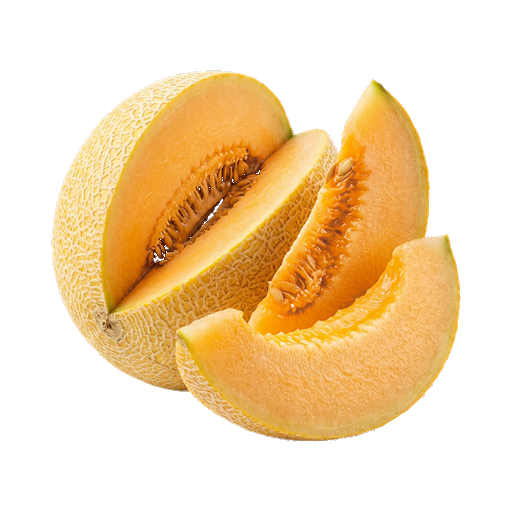
Sweet melon flesh with a delicate aroma and juicy texture makes it a popular dessert when eaten fresh. It is used in salads, cocktails, ice cream, and baked goods, as well as served as a standalone dish sliced into wedges. When selecting, pay attention to an even yellow or beige color, a pleasant aroma near the stem, and a slight give when pressed — signs of ripeness and sweetness.
About
Melon is not just a sweet summer fruit, but a true kitchen helper. Its tender flesh works in desserts, beverages, salads, and even main dishes. The main thing is to know how to choose a ripe fruit and understand how to use it to unlock its full potential.
Aroma and Flavor
A ripe melon smells sweet and slightly honeyed, with barely perceptible herbal notes. The taste depends on the variety: some melons offer pure sweetness, while others provide a light refreshing tartness. The flesh is dense, juicy, and melts in your mouth. The seeds inside are edible, but are usually removed before serving.
Role in Dishes
- Desserts and sweet appetizers — puree for mousse, sorbet, ice cream, compotes
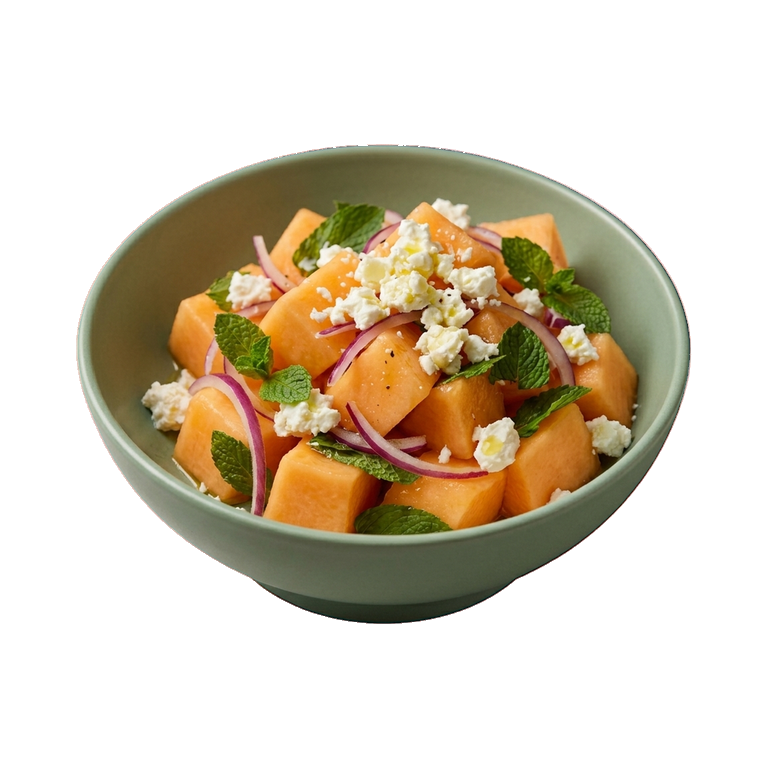
- Fresh salads — sliced with ham, cheese, herbs and lemon juice
- Beverages — smoothies, lemonades, cocktails with pulp or juice
- Appetizers — cubes on skewers, wrapped with prosciutto or bacon
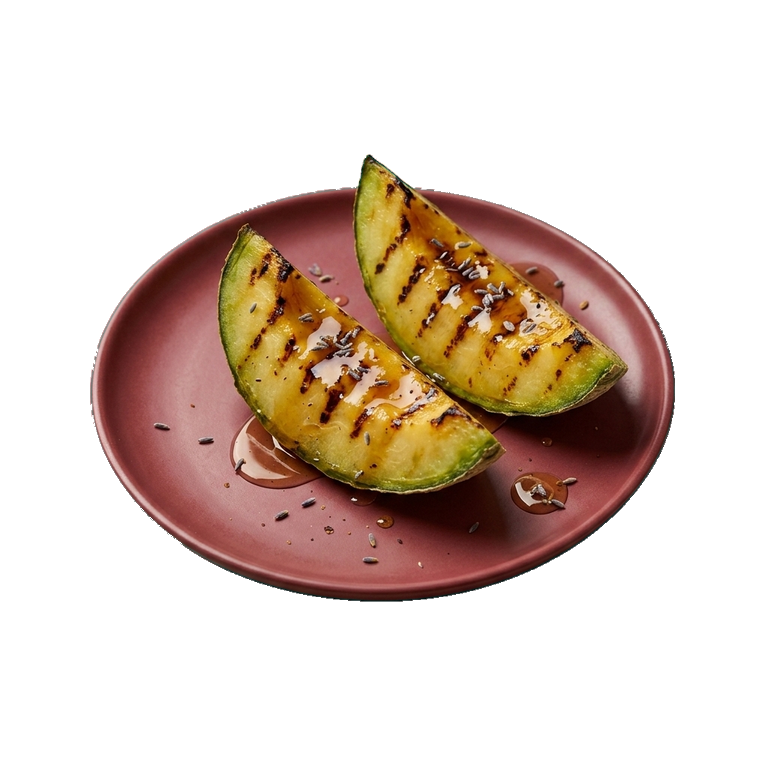
- Side dishes for meat and fish — baked slices or caramelized pieces
Successful Pairings
Melon pairs well with acidity — lemon, lime, vinegar. Its sweetness is enhanced by salt, hot pepper, and fresh mint. Meat partners — ham, prosciutto, bacon — create a contrast of salty and sweet. With fruits, melon works with strawberries, raspberries, peaches. In beverages, it harmonizes with ginger, coconut milk, and dark rum.
Selection and Storage
- Weight — a ripe melon is heavy for its size, but not rock-hard
- Smell — the aroma should be felt at the base of the fruit, sweet and pronounced
- Sound — tap on the melon: the sound should be dull, not ringing
- Skin — without dents and cracks, with an even net pattern or stripes (depending on the variety)
- Stem — should be slightly soft, but not mushy
Store a whole melon in a cool place at room temperature — it ripens and reveals its flavor better. In the refrigerator, a whole fruit lasts 1–2 weeks. Place cut melon in the cold immediately: in a container with a lid it will keep for 3–4 days. Frozen melon puree lasts several months and is perfect for smoothies and desserts.
If the melon is underripe, leave it at room temperature for a few days — it will ripen. Use overripe melon for drinks or puree rather than slicing.
Nutrition
per 100 g
- Calories
- 35 kcal
- Protein
- 0.6 g
- Fat
- 0.1 g
- Carbs
- 8.2 g
Measures and weight
- 1 pcs
- 1500 g
Measure calculator
- Weight
- 100 g
- Calories
- 35 kcal