Usuba
Usuba
Baby potatoes
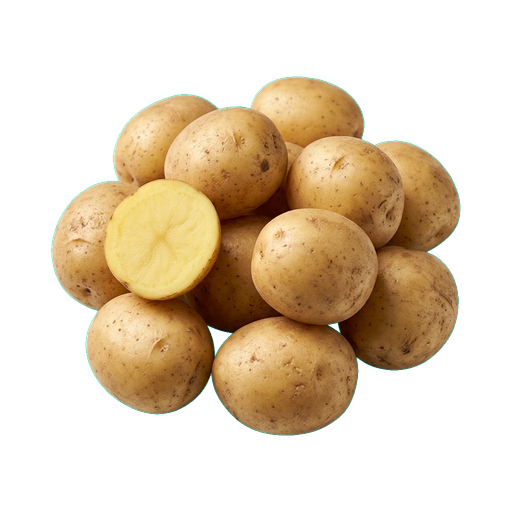
Baby potatoes are young potatoes of small size with thin skin and tender flesh, harvested before full maturity. Due to their size, they cook faster than regular potatoes and are often boiled or stewed whole without requiring peeling. Such potatoes are ideal for side dishes, salads, and stews, as they hold their shape during cooking and have a more delicate flavor with a subtle nutty undertone.
About
Mini potatoes are not a separate variety, but simply young potatoes harvested before full maturity. The tubers are the size of a walnut or slightly larger, with thin skin that requires virtually no peeling. It is this delicate and tender quality that makes them so desirable in the kitchen: they cook faster, and the taste is more delicate than regular potatoes.
The main advantage of mini potatoes is that they contain almost no starch — the tubers have not yet accumulated it fully. This means that when boiled, they do not fall apart, retain their shape, and remain firm. The skin remains tender and edible, so you can cook them whole without losing nutrients or spending time on peeling.
Taste and Texture
Mini potatoes have a more delicate, almost slightly sweet flavor compared to regular potatoes. The texture is firm but not hard, with a creamy center. When you boil them whole, the inside becomes soft while the outside remains tender — an ideal combination for salads and side dishes.
Young potatoes have a fresh and clean aroma, without the earthy note often detected in mature ones. This makes them versatile: they don't overpower delicate sauces and absorb oil, herbs, and spices well.
How to cook and what to pair with
Mini potatoes are ideal for boiling whole — they cook for 10–15 minutes depending on size. You can place them in cold salted water and bring to a boil, or start with boiling water for faster results. Cooked potatoes are easily pierced with a fork but don't fall apart.
- Cold and warm salads — boiled mini potatoes hold their shape and look beautiful when sliced
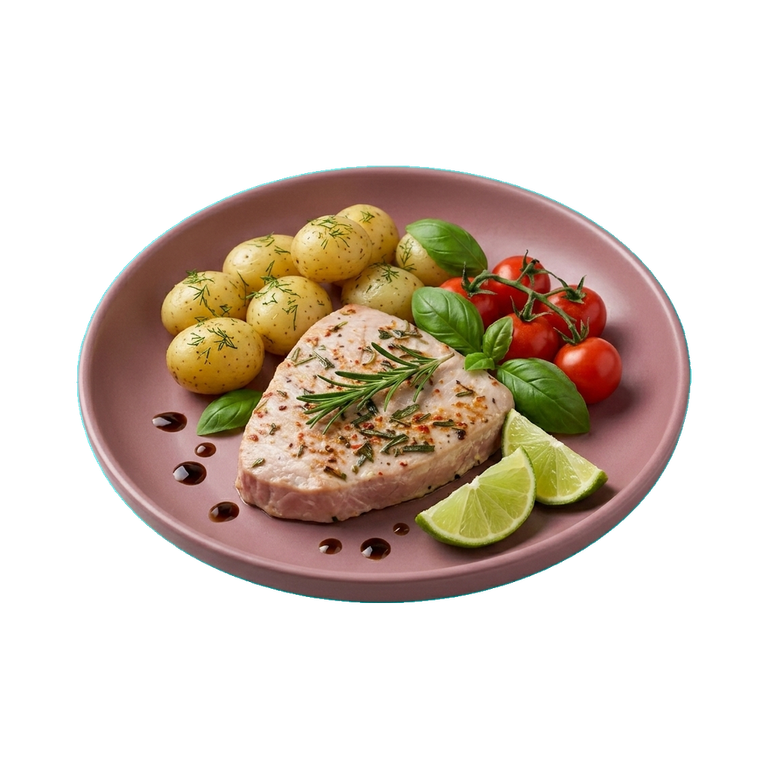
- Side dish for fish and seafood — their tenderness doesn't compete with delicate flavors
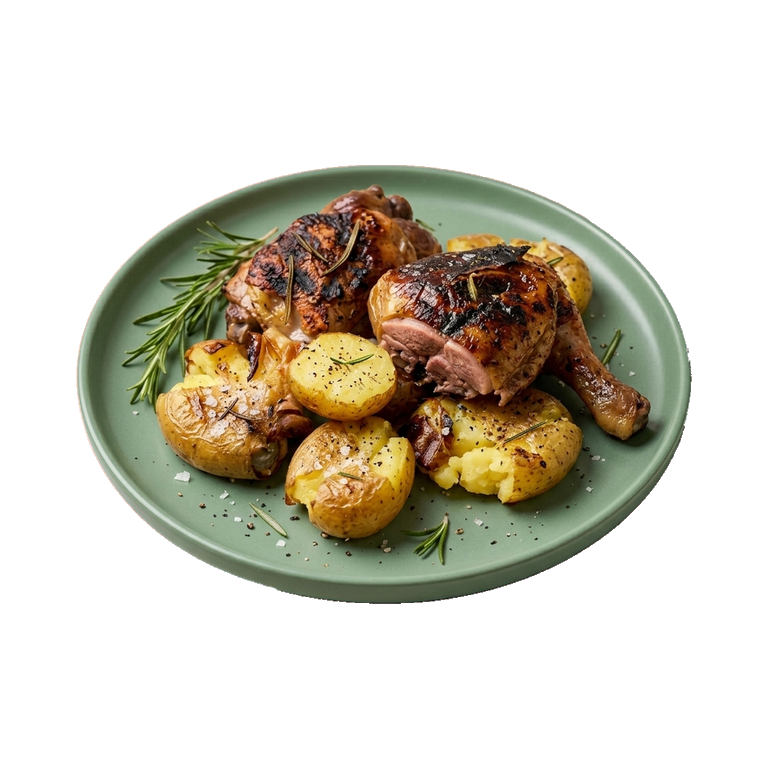
- Baked with butter and herbs — whole potatoes with a crispy crust
- In soups and stews — added at the end of cooking so they don't fall apart
- Fried with garlic and rosemary — a simple and striking side dish
Baby potatoes work well with butter and olive oil, fresh herbs, garlic, lemon, and sea salt. Their delicate texture allows them to be used in subtle dishes where regular potatoes would be too heavy.
Selection and Storage
When choosing, pay attention to the size — tubers should be approximately the same size so they cook evenly. The skin should be smooth, without damage or black spots. Mini potatoes are lighter than regular potatoes due to lower starch content, so don't expect high density.
Store mini potatoes in a cool dark place — in a cellar, refrigerator, or pantry at a temperature of 2–4 degrees Celsius. The storage period is shorter than for regular potatoes because the skin is thin: 1–2 weeks in the refrigerator. Do not wash them before storage to avoid causing rot. Use first the tubers that have started to sprout.
Mini potatoes are not just a convenience, but a qualitatively different product with its own flavor and texture. If you're preparing a dish where potatoes should remain delicate and not dominate, this is your choice.
Nutrition
per 100 g
- Calories
- 77 kcal
- Protein
- 2 g
- Fat
- 0.1 g
- Carbs
- 17.5 g
Measures and weight
- 1 pcs
- 30 g
Measure calculator
- Weight
- 100 g
- Calories
- 77 kcal