Usuba
Usuba
Pasta flour
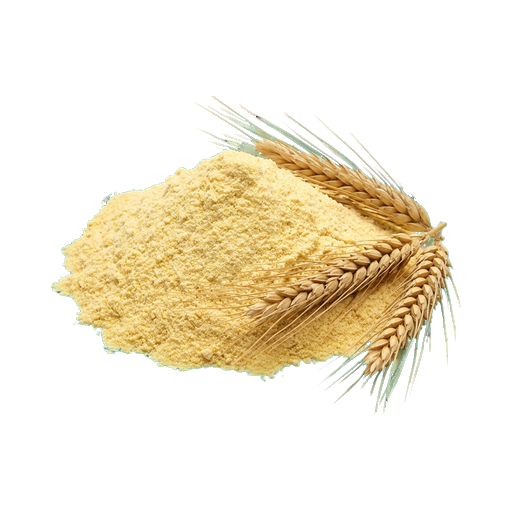
Pasta flour is a special grinding of hard wheat varieties (durum) that contains more protein and gluten than regular wheat flour. Thanks to these properties, the dough becomes elastic and flexible, and the finished pasta doesn't overcook and maintains its shape. When choosing, pay attention to the yellow tint of the flour and the 'durum' label on the package — this guarantees quality and the correct moisture ratio in the finished dish.
About
Pasta flour is not just ground grain, but the foundation that determines the texture and taste of the finished dish. Its task is far more complex than that of bread flour: it must hold its shape, absorb moisture evenly, create elastic dough, and not fall apart during cooking. The choice of flour determines whether your pasta will be tender or springy, whether it will hold the sauce or fall apart in the pot.
Which flour is suitable for pasta
- Durum wheat flour (hard wheat) — the classic choice for dried pasta. Contains more protein and gluten, which makes the dough elastic and not sticky.
- Premium soft wheat flour — suitable for fresh pasta and noodles. The dough turns out more tender and plastic, easier to roll out.
- Blends with the addition of other grains (spelt, semi-round wheat) — for experiments and special recipes. Give an interesting flavor note, but require some getting used to.
- Soft wheat flour with high protein content — a compromise option for homemade pasta when durum flour is not available.
How to choose and what to pay attention to
When purchasing, check the package: good pasta flour should be labeled as "durum wheat flour" or "durum". The color should be cream-yellow, not snow-white — this is a sign of natural grain. Check the packaging date: fresh flour works better, old flour can be too dry.
How flour behaves in dough
- Absorbs moisture more slowly than bread flour, so don't rush to add all the liquid at once. The dough should be dense and not sticky.
- Requires more intensive kneading — at least 10 minutes by hand or in a food processor to develop gluten.
- After kneading, the dough needs to rest for 20–30 minutes so the gluten relaxes and the flour fully hydrates.
- When rolling out, it doesn't crumble or tear — a sign that the flour is correct and the dough is kneaded properly.
Storage and Shelf Life
Pasta flour should be stored in an airtight container in a cool, dry place — at room temperature it will keep for 6–8 months, and in the refrigerator or freezer — up to a year. Make sure there is no moisture or foreign odors: flour absorbs everything. If you notice a musty smell or see lumps — the flour has spoiled and it's better not to use it.
Practical Tips
- If the flour is too dry, add a few drops of water rather than whole portions. It's better to add too little than too much.
- For a pasta machine, choose coarser flour (semolina) — it holds its shape better and doesn't clog the die.
- For hand-made noodles, finer flour works well — it's easier to roll out and cuts more cleanly.
- If you're making colored pasta with vegetables or herbs, add flour gradually — the amount of moisture in the puree varies.
Good pasta flour is an investment in results. It doesn't require a lot of money, but it significantly affects the quality of the finished dish. Try different types and find the one that makes your pasta perfect just for you.
Nutrition
per 100 g
- Calories
- 342 kcal
- Protein
- 12 g
- Fat
- 1 g
- Carbs
- 70 g
Measures and weight
- 1 tbsp
- 9 g
- 1 tsp
- 3 g
- 1 cup
- 150 g
Measure calculator
- Weight
- 100 g
- Calories
- 342 kcal