Usuba
Usuba
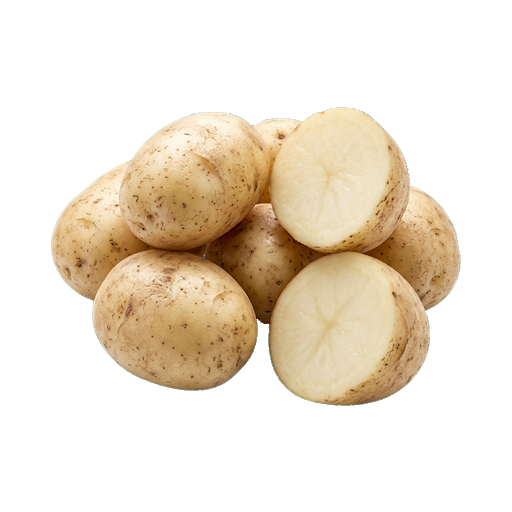
New potatoes
New potatoes are tubers harvested before full maturity, while the skin is still thin and easily peeled. This type of potato contains more moisture and starch than mature potatoes, so when boiled it remains tender and crumbly, making it ideal for boiled dishes, salads, and side dishes. When selecting, pay attention to the absence of damage and soft spots, and when storing, remember that new potatoes spoil faster than regular ones, so it's best to use them within a few days.
About
Young potatoes are tubers harvested long before full maturity, when the skin is still thin and tender, and starch has accumulated very little. Such potatoes are easy to recognize: the skin peels off easily with a fingernail, and the flesh is light and dense, almost slightly sweet to the taste. This is a completely different product than stored potatoes, and it needs to be cooked differently.
Taste and texture
Young potatoes are more tender than mature ones — the flesh is crumbly but doesn't turn to mush with proper cooking. The taste is fresh, slightly sweet, with a delicate potato aroma, without the density and richness that develops during storage. That's why it's best to cook them simply: boil, stew, or fry with minimal seasonings.
How to use in the kitchen
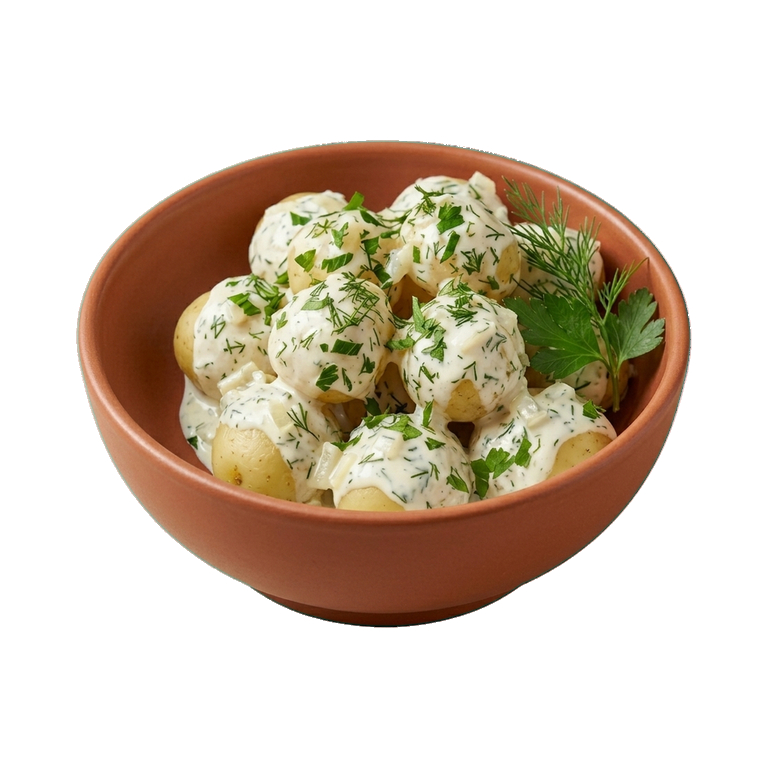
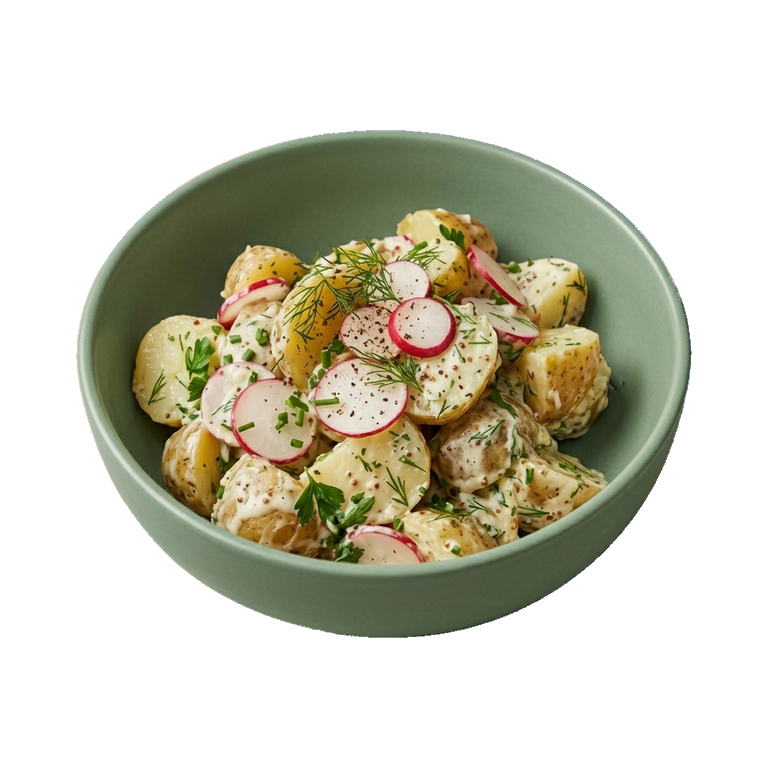
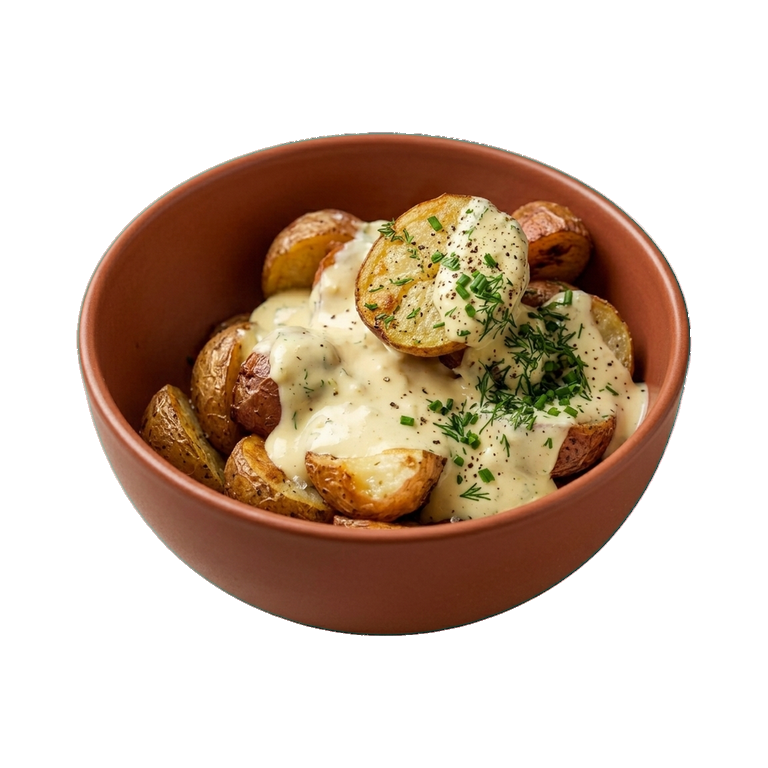
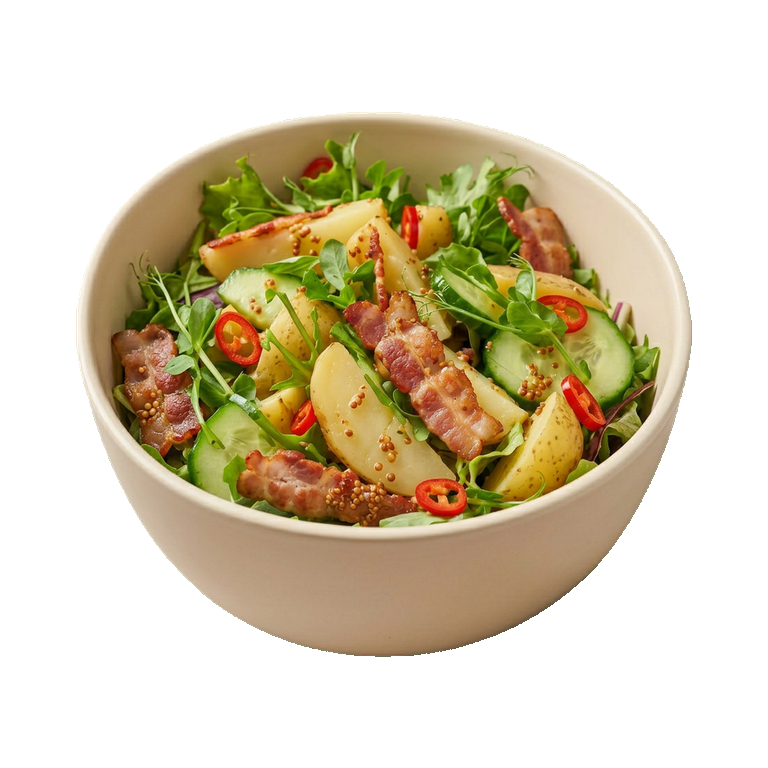
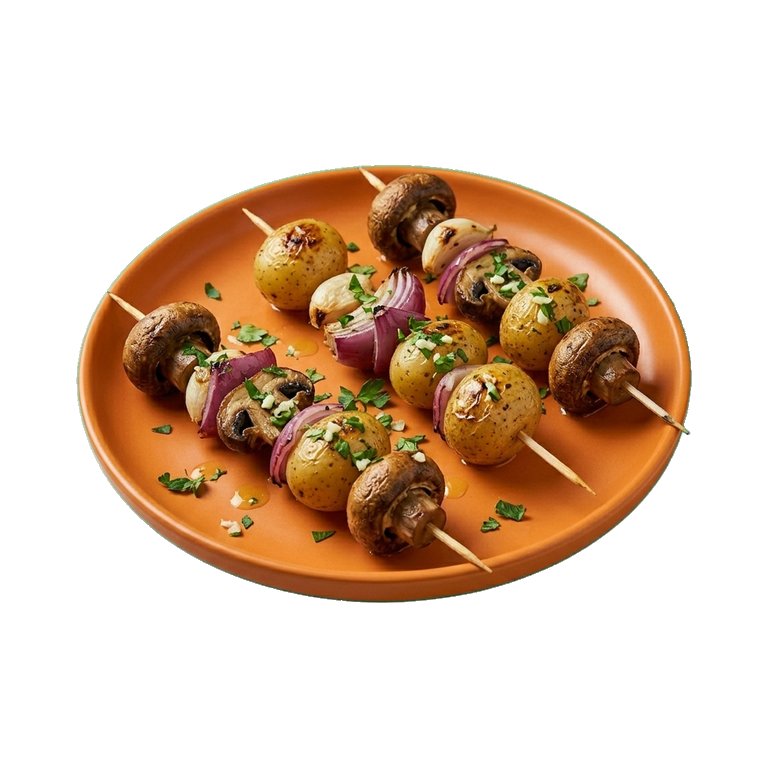
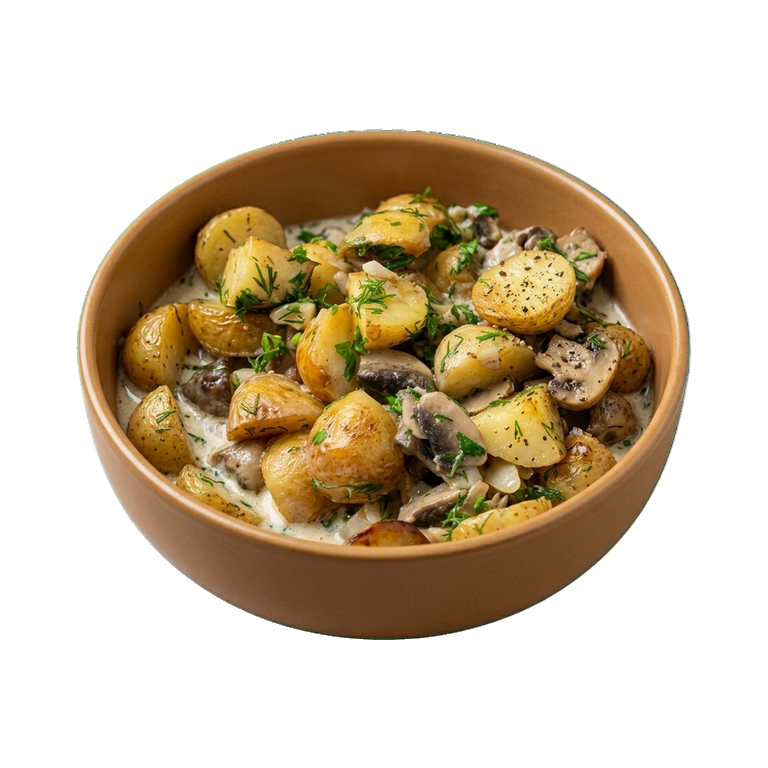
Young potatoes are ideal for dishes where they are the star, not a secondary ingredient. They are boiled whole with the skin on — this preserves their tenderness and delicate flavor. They work perfectly in salads where lightness and freshness are important. You can fry them in large chunks or whole tubers in oil, adding fresh herbs and garlic.
- Boiling in salted water (15–20 minutes) — the main method
- Stewing with oil and herbs — preserves shape and tenderness
- Pan-frying in large pieces with a crispy crust
- Adding to soups at the end of cooking to prevent disintegration
- Salads with light dressings — mustard, olive oil, vinegar
Selection and Storage
When buying, pay attention to the skin — it should be thin, smooth, without damage or dark spots. Choose tubers of approximately the same size so they cook evenly. Young potatoes don't store for long — in the refrigerator in a paper bag or box they will last about a week to ten days. Don't put them in plastic: they will quickly start to rot and turn green.
What goes well with
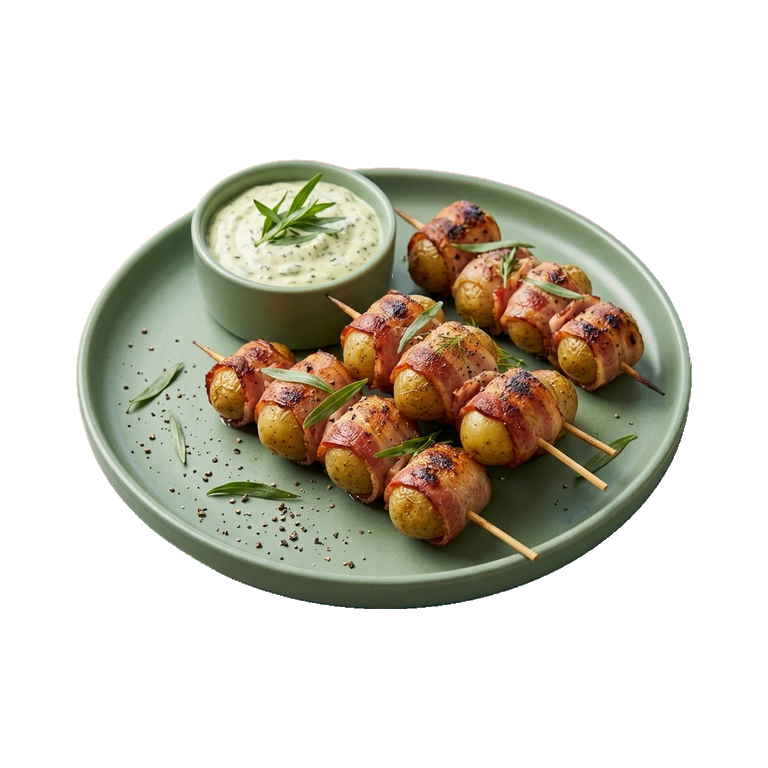
Young potatoes go well with delicate flavors: fresh herbs (dill, parsley, sorrel), butter, sour cream, lemon juice. It's best to choose subtle spices — black pepper, mustard, tarragon. It pairs excellently with white fish, seafood, and light cream sauces. In spring, it's often prepared with young greens and fresh onions — this is a classic seasonal combination.
Young potatoes are a seasonal product, so catch the moment when they appear on the market. Cook them without fuss, with respect for their delicacy, and they will reveal a completely different taste than the potatoes you're used to.
Nutrition
per 100 g
- Calories
- 61 kcal
- Protein
- 2.1 g
- Fat
- 0.1 g
- Carbs
- 13.6 g
Measures and weight
- 1 pcs
- 75 g
Measure calculator
- Weight
- 100 g
- Calories
- 61 kcal