Usuba
Usuba
Norwegian salmon
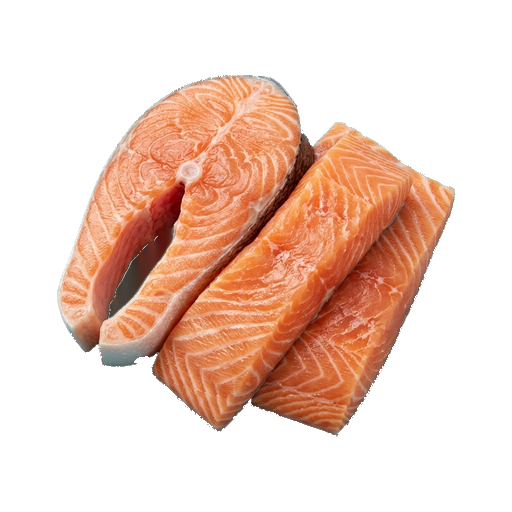
Norwegian salmon is Atlantic salmon farmed in cold waters. The fish is distinguished by tender meat with high fat content, which makes it juicy and aromatic with any cooking method. It is used for steaks, fillets, smoking, and sushi, and pairs well with lemon, herbs, and butter.
About
Norwegian salmon is a fillet or steak of Atlantic salmon raised in cold Scandinavian waters. This fish is distinguished by tender meat with a characteristic pink hue, high fat content, and a pronounced fishy aroma. It has become a standard for home cooking due to its availability, consistent quality, and versatility in preparation.
Aroma and Taste
Norwegian salmon meat has a pronounced sea smell with subtle copper notes. The taste is buttery, mild, without sharp bitterness — which is why the fish appeals even to those who don't like a "fishy" taste. The fat content makes the fillet juicy regardless of cooking method, and the meat structure remains dense and doesn't fall apart.
In the kitchen and on the table
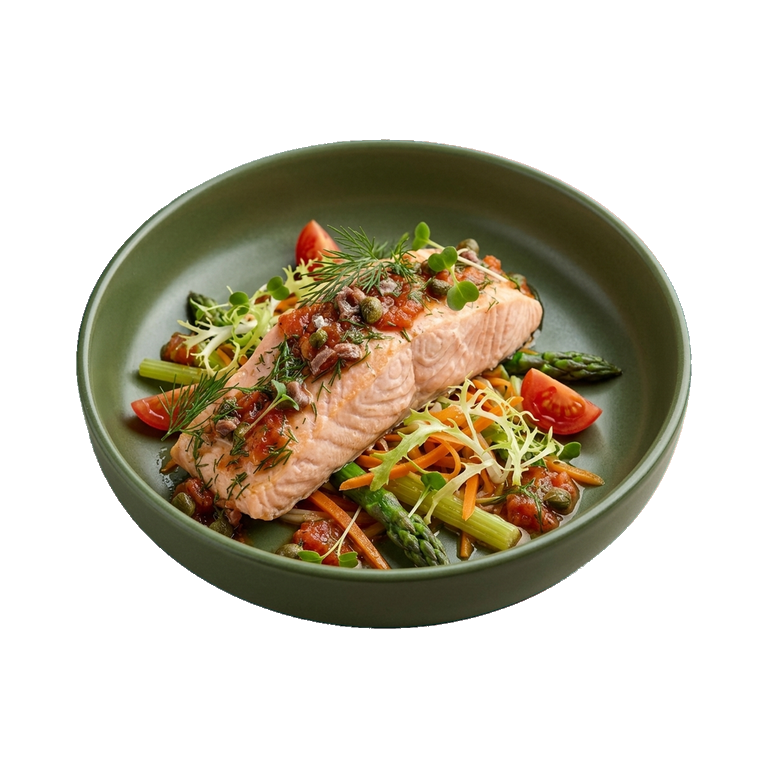
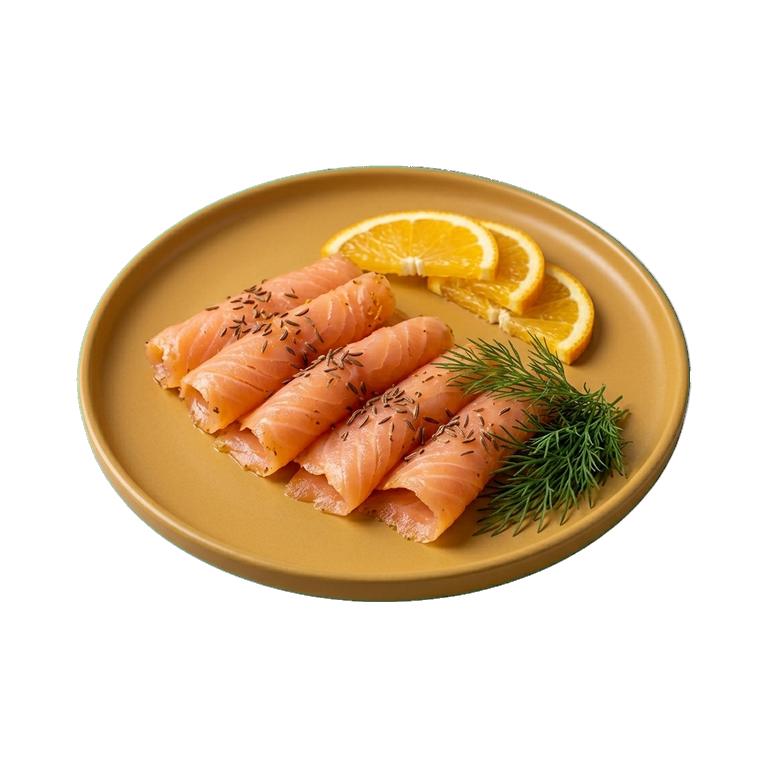
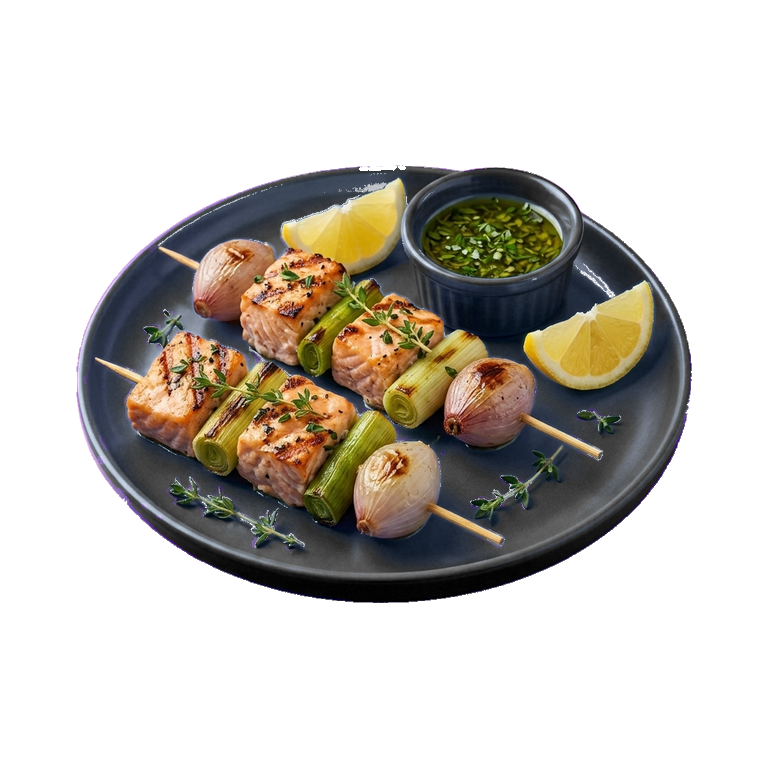
Norwegian salmon is the workhorse of the kitchen. It is grilled, baked, pan-fried, boiled, smoked, and served raw in sushi. The firm meat holds its shape well during processing, making the fish ideal for cutting into steaks, cubes for skewers, or thin slices for rolls.
Pairings and Seasonings
- Lemon and lime — a classic combination that cuts through fishy odors and adds freshness
- Dill, parsley, basil — herbs that highlight the delicate flavor of the meat
- Soy sauce, ginger, wasabi — for Asian dishes and marinades
- Butter, cream — enhance richness and are ideal for sauces
- Black pepper, sea salt, paprika — simple seasoning for grilling or baking
Selection and Storage
When purchasing, pay attention to the color of the meat — it should be evenly pink or orange, without gray spots or darkening. Fresh salmon has a neutral, seafaring smell, without sourness or ammonia notes. The fillet should be firm and not sticky to the touch.
- Chilled fillet is stored in the refrigerator for 2–3 days in an airtight package on the bottom shelf
- Keep frozen salmon in the freezer for up to 6 months in a vacuum-sealed package
- Thaw on the bottom shelf of the refrigerator overnight, not at room temperature
- Use within 24 hours after thawing
Practical Tips
If the fillet has skin, remove the scales with a knife under running water. Before cooking, pat the fish dry with a paper towel — this will help it brown better in the pan. Salt the salmon at the end of cooking or 10–15 minutes before, so the meat doesn't lose moisture. When frying over medium heat, a 2 cm thick fillet cooks for 5–7 minutes on each side.
Nutrition
per 100 g
- Calories
- 208 kcal
- Protein
- 20 g
- Fat
- 13 g
- Carbs
- 0 g
Measure calculator
- Weight
- 100 g
- Calories
- 208 kcal