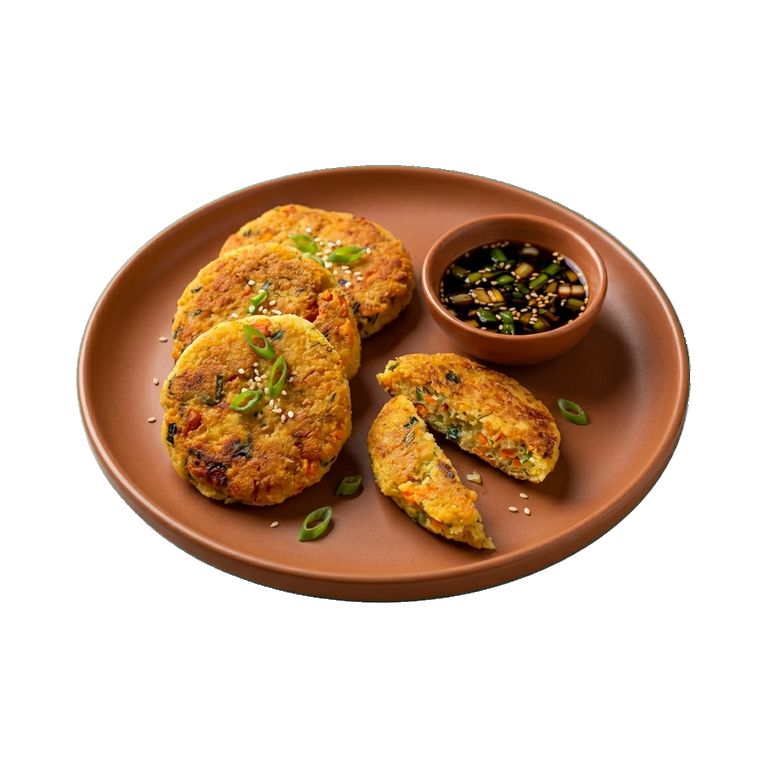
Usuba
Usuba
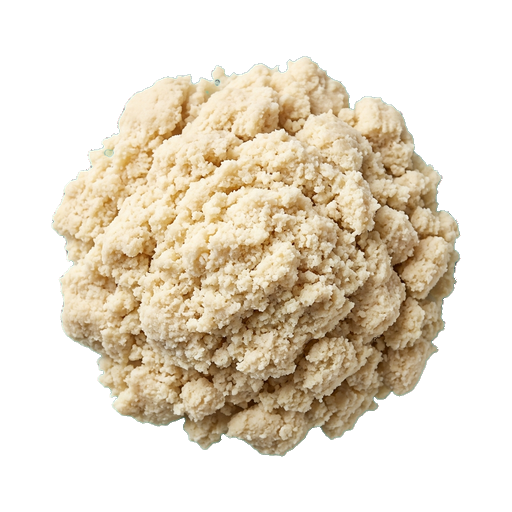
Okara
Okara is a byproduct of soy milk production, consisting of wet pulp made from ground soybeans. It has a tender, slightly grainy texture and a neutral, subtle bean flavor, making it suitable for both sweet and savory dishes. Rich in protein and fiber, okara absorbs moisture and sauces well, which is why it's commonly used in patties, casseroles, baked goods, and soups. When purchasing, it's important to choose fresh product with a pleasant aroma and no signs of fermentation.
About
Okara is a byproduct that remains after making soy milk. It is a fine, moist mass of creamy color with a delicate consistency. If you've ever seen how tofu is made, okara is what is squeezed out of soybeans. It has a neutral taste and a slightly nutty flavor, but its main advantage is not in the taste itself, but in its ability to absorb the aromas and textures of other products.
How okara behaves in dishes
Okara works as a binding and thickening agent. It is added to cutlets, meatballs, pâtés, and burgers to give the dish structure and juiciness. In baking, it makes bread and cupcakes more moist and soft without adding extra weight. It can be used in cream soups, where it creates creaminess without cream. In Asian cuisine, okara is stewed with vegetables, fried in breadcrumbs, or added to omelets.
Pairings and Seasonings
Okara pairs well with pungent and aromatic ingredients. Ginger, garlic, soy sauce, miso, and sesame highlight its neutral profile. It doesn't compete with spices, so feel free to add turmeric, black pepper, and hot seasonings. Vegetables — carrots, onions, mushrooms — become its natural partners. Herbs, especially parsley and cilantro, bring dishes with okara to life.
Selection and Storage
- Look for fresh okara on shelves with vegetarian products or in Asian grocery stores. It should be light in color, without dark spots or off-odors.
- Dried okara (pressed and dried) is stored in an airtight container in a cool place for several months. Before using, soak it in water to restore moisture.
- Use fresh okara within one day or freeze it in portions. In the freezer, it keeps for up to three months.
Okara is an economical choice for home cooking. It is inexpensive, nutritious, and helps create hearty meat-free dishes. If you are making cutlets or pâté, start by adding a small amount of okara (approximately one-quarter of the volume of the main ingredient) and gradually increase the proportion. This will help you understand how it affects the texture in your specific recipes.
Nutrition
per 100 g
- Calories
- 77 kcal
- Protein
- 6.4 g
- Fat
- 2.2 g
- Carbs
- 8.8 g
Measures and weight
- 1 tbsp
- 10.5 g
- 1 tsp
- 3.5 g
- 1 cup
- 175 g
Measure calculator
- Weight
- 100 g
- Calories
- 77 kcal