Usuba
Usuba
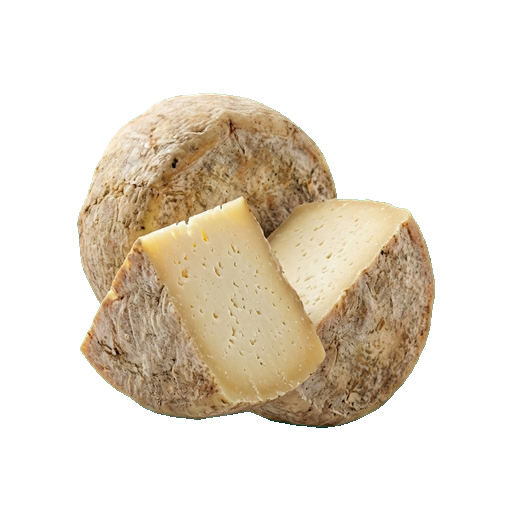
Sheep cheese
Sheep's cheese is distinguished by a rich, slightly sharp flavor with nutty and creamy notes that become more pronounced in aged varieties. The texture varies from soft and creamy to dense and crumbly depending on the production method and age of the cheese. In the kitchen, it is used both on its own on a board with bread and in salads, pastas, and baked dishes — it melts well and imparts a pronounced dairy character to dishes, so when substituting it for cow's cheese, its more intense flavor should be taken into account.
About
Sheep's cheese is one of the most rewarding ingredients in the kitchen. Its rich flavor and dense texture work well in both simple salads and complex compositions. The main difference from cow's cheese is that sheep's milk contains more fat and protein, so the cheese turns out more concentrated and bright in taste.
Aroma and taste
The flavor profile of sheep's cheese depends on its age and production method. Fresh varieties offer creamy, delicate notes with a slight tanginess. Aged versions become more sharp, with mineral aftertaste and sometimes a piquant bitterness. The aroma often contains herbal and nutty undertones, especially if the cheese is made from milk of sheep that grazed on Alpine meadows.
Sheep cheese can vary in consistency from soft and crumbly (like feta) to semi-hard with a smooth texture or completely hard with crystalline inclusions. This affects how the cheese will behave in a dish: soft varieties crumble easily and are suitable for sprinkling, while hard varieties cut well and hold their shape when heated.
Role in Dishes
Sheep's cheese is versatile, but it requires understanding its character. In Mediterranean cuisine, it is the main star: in Greek salads, feta creates a salty contrast to tomatoes and cucumbers, in appetizers it becomes the main character. On the table, it is served with honey, nuts, and fresh bread — a simple combination that reveals the full potential of the cheese.
- Sheep's cheese melts unevenly in hot dishes, so it is often added at the end of cooking or used as a garnish
- Soft varieties are ideal for pie fillings, pâtés and pastas — they mix easily and provide a creamy texture
- Hard sheep's cheese works well in pasta, where its sharpness balances oil and cream
- In sauces, sheep's cheese adds depth and saltiness, but requires caution with additional salt
Successful Combinations
Sheep's cheese pairs well with acidic ingredients: tomatoes, lemon, and vinegar enhance its flavor and create balance. Herbs — dill, mint, oregano — emphasize its minerality. Honey and jam are a classic combination that softens the sharpness and adds sweetness.
- Vegetables: tomatoes, cucumbers, bell pepper, eggplant
- Fruits: pear, fig, apricot, pomegranate
- Nuts: walnuts, pistachios, almonds
- Herbs: parsley, basil, mint, dill
Selection and Storage
When purchasing, pay attention to the color and smell. Good sheep cheese has an even creamy or white color without dark spots. The smell should be pleasant, slightly sharp, but not ammonia-like. If the cheese is purchased in vacuum packaging, check the date — sheep cheese has a longer shelf life than cow cheese, but still has an expiration date.
At home, sheep cheese is best stored in the refrigerator in an airtight container or wrapped in parchment. Soft varieties (like feta) can be kept in brine — this extends their shelf life by several weeks. Before serving, let the cheese sit for 15–20 minutes to warm up to room temperature — then the flavor will fully develop.
Practical tip
If sheep's cheese seems too sharp or salty to you, soak it in cold water for an hour — this will soften the taste and make it more tender. For hot dishes, cut the cheese into cubes and add it at the last moment so it doesn't melt completely and retains its texture.
Nutrition
per 100 g
- Calories
- 264 kcal
- Protein
- 21.3 g
- Fat
- 21.3 g
- Carbs
- 0 g
Measures and weight
- 1 slice
- 25 g
Measure calculator
- Weight
- 100 g
- Calories
- 264 kcal