Usuba
Usuba
Oxtail
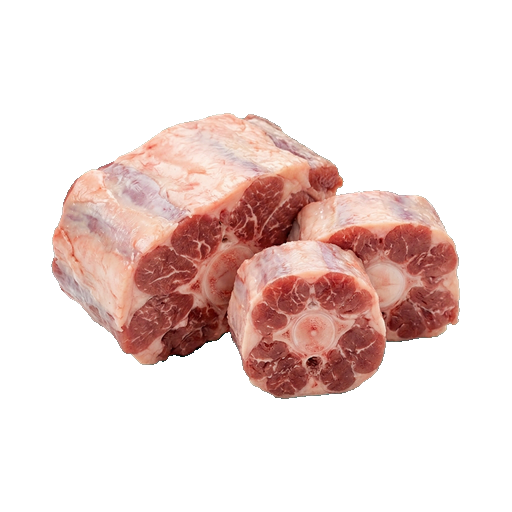
Beef oxtail is a dense, collagen-rich cut with an intense meaty flavor and gelatinous consistency after prolonged cooking. Thanks to its high content of connective tissue, oxtail is ideal for braising, simmering in broth, and making soups, developing a tender texture and imparting a rich flavor to dishes. When selecting, look for pieces with even distribution of meat and fat, and before cooking, be sure to blanch or singe over an open flame to remove hair and tough skin.
About
Oxtail is one of the most rewarding meat cuts, often overlooked in the store. It's not a festive piece, but it's precisely in this cut that the secret of rich flavor and tender texture lies. The tail consists of vertebrae surrounded by dense muscle tissue and fat, which transform into something magical during long braising.
Taste and Texture
Oxtail meat has a deep, pronounced beef flavor — far more intense than steaks from the back or ribs. This is due to the high content of collagen and fat, which dissolve into the sauce during slow cooking or braising, creating a silky texture. The cooked tail easily separates from the bone, and the meat becomes almost gelatinous — in the best sense of the word.
How to cook
Oxtail demands respect for time. This is not an ingredient for hurrying. The optimal method is braising for 3–4 hours at low temperature, when the meat becomes tender and the broth transforms into a thick, rich sauce. You can cook it on the stovetop, in the oven, or in a slow cooker — the key is that the process should be long and moist.
Classic Dishes
- Oxtail (Oxtail stew) — a British stew with vegetables and red wine, where the tail becomes the star
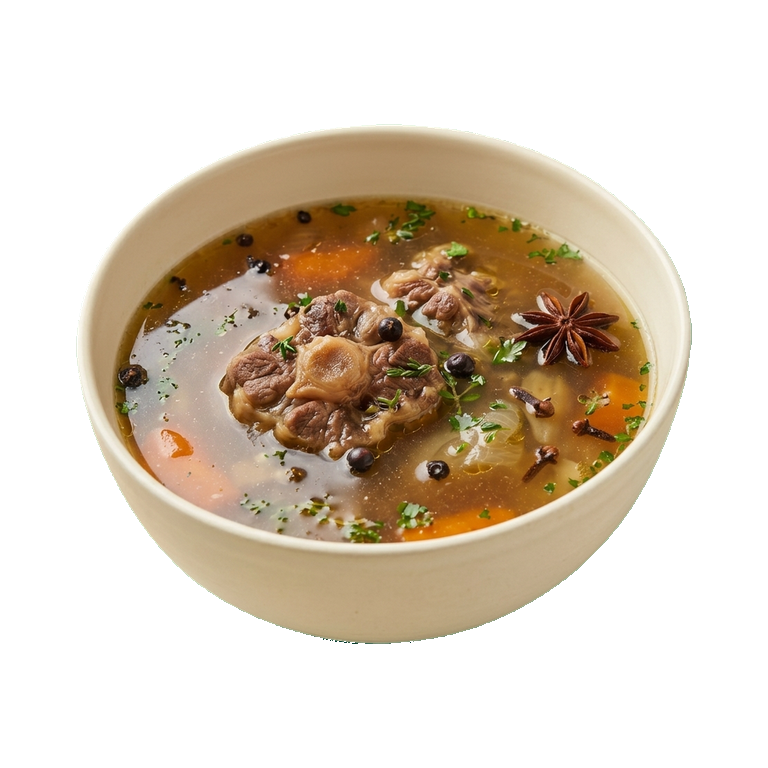
- Oxtail soup — a rich meat broth with root vegetables and grains
- Stews and braised dishes — with tomatoes, onions, garlic and herbs
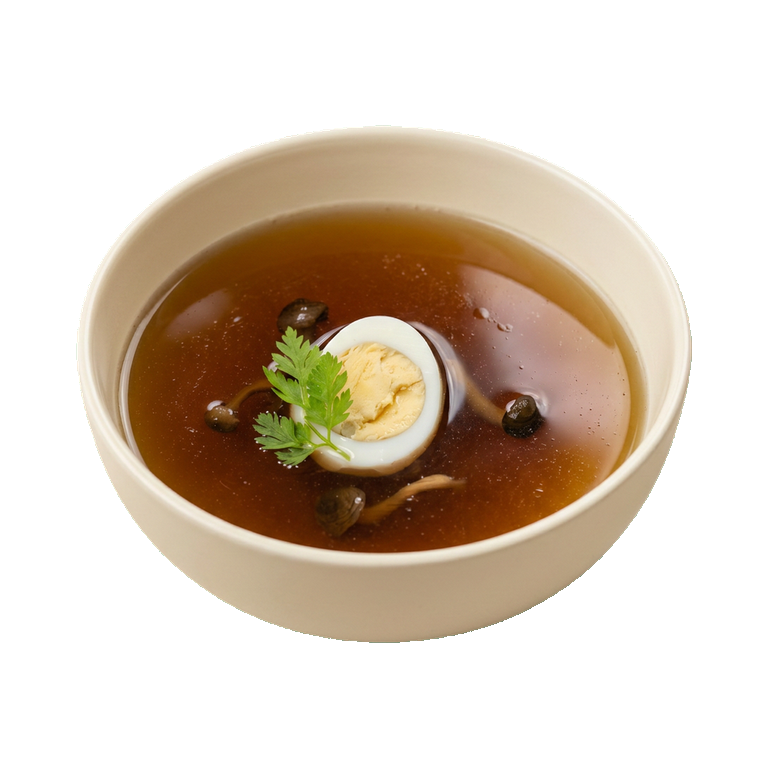
- Asian dishes — in soups with noodles or as part of pho broths
What pairs well with
Oxtail pairs well with acidity — red wine, tomatoes, and vinegar help balance its richness. Root vegetables (carrots, celery, parsnip) absorb the aroma and become part of the dish. Herbs like thyme, rosemary, and bay leaf emphasize the depth of flavor. Spices — black pepper, cloves, juniper — add complexity.
Selection and Storage
When choosing, pay attention to the color of the meat — it should be dark red, without any gray tint. The fat should be white or creamy, and the bone should be clean. You can buy the tail whole or ask to have it cut into pieces. In the freezer, the tail keeps for 3–4 months, in the refrigerator — no more than 3–4 days. Before cooking, let it thaw at room temperature or in the refrigerator.
Before stewing, the tail should be scalded with boiling water or briefly boiled to remove dirt from the surface. Then dry it thoroughly with paper towels — this will help achieve a nice crust when frying. Searing at the beginning of cooking will add depth to the flavor, although this is not a required step.
Nutrition
per 100 g
- Calories
- 187 kcal
- Protein
- 25 g
- Fat
- 9.5 g
- Carbs
- 0 g
Measures and weight
- 1 pcs
- 1000 g
Measure calculator
- Weight
- 100 g
- Calories
- 187 kcal