Usuba
Usuba
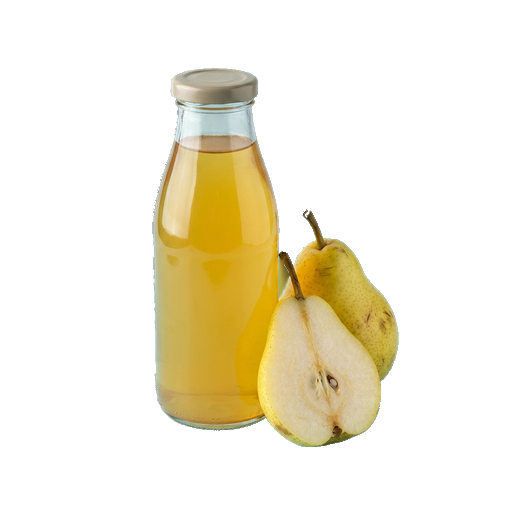
Pear juice
Sweet pear juice with a soft, delicate flavor and a subtle hint of astringency. Used in sauces, marinades, compotes, and as a base for beverages, as well as added to dough for baking and desserts to provide moisture and natural sweetness. When selecting, pay attention to the absence of additives and preservatives, and in recipes keep in mind that pear juice is less acidic than apple juice, so flavor balance adjustment may be needed.
About
Pear juice is one of the most delicate and subtle juices in cooking. Its soft, slightly honeyed flavor and subtle aroma make it a versatile ingredient in both sweet and savory dishes. Unlike more aggressive juices, pear juice doesn't overpower other ingredients but complements them harmoniously.
Taste and Aroma
Pear juice has a characteristic sweetness without being cloying. Its taste reminds of a ripe pear — delicate, slightly floral, with a barely perceptible herbaceous note. The aroma is delicate, almost imperceptible at first glance, but manifests itself when heated or when mixed with other ingredients. Acidity is low, so the juice is well-suited for people with sensitive stomachs.
Role in dishes
In cooking, pear juice works in several directions. It becomes the base for delicate sauces for poultry and fish — it is enough to reconstitute it and simmer slightly with broth and spices. In baking and desserts, the juice adds depth and softness, especially to creams, mousses, and jellies. It is used in marinades for meat, where it acts as a natural meat tenderizer due to its pectin content.
- Base for sauces for poultry, fish and white meat
- Component of creams and mousses
- Liquid in cookie and pie dough
- Marinade for tender meat
- Additive in compotes and fruit drinks
Combinations with other ingredients
Pear juice pairs well with spices that highlight its delicate nature: cinnamon, cardamom, vanilla, and ginger bring out its aroma. It works more subtly with herbs — mint and lemon balm are better choices than more pungent varieties. In meat dishes, the juice combines excellently with rosemary and thyme. It can be mixed with other fruit juices — apple, apricot — to create a more complex flavor profile.
Selection and Storage
When choosing pear juice, pay attention to the composition: ideally, it should be 100% juice without additives and preservatives. Concentrated juice requires dilution with water, which gives you more control over the intensity of the flavor. Freshly squeezed juice is stored in the refrigerator for no more than 2–3 days, while pasteurized juice in a closed package lasts several months. After opening the package, keep the juice in the refrigerator and use it within a week.
Pear juice is an ingredient for those who appreciate subtle flavor nuances. It doesn't draw attention to itself, but makes the dish more harmonious and refined. Try adding it to your next sauce or dessert — the result may surprise you with its delicacy.
Nutrition
per 100 ml
- Calories
- 42 kcal
- Protein
- 0.4 g
- Fat
- 0.1 g
- Carbs
- 10 g
Measures and weight
- 1 tbsp
- 15.6 g
- 1 tsp
- 5.2 g
- 1 cup
- 260 g
Measure calculator
- Weight
- 100 g
- Calories
- 40 kcal