Usuba
Usuba
Pearl barley
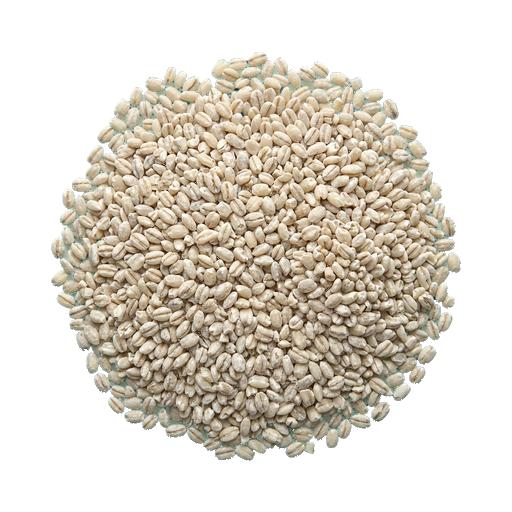
Pearl barley is produced from barley through polishing and crushing of grains, which makes it more accessible and quicker-cooking than whole grains. It has a mild, slightly sweet flavor with nutty notes and absorbs broths and sauces well, making it ideal for soups, porridges, and side dishes. When selecting pearl barley, it's important to check its color — quality barley has a uniform light yellow or grayish-white shade, and cooking takes approximately 45–60 minutes with roughly double the volume of liquid.
About
What is barley groats and why you should cook it
Pearl barley is cracked barley grain, which is often confused with hulled barley. But they are not the same thing at all. Hulled barley retains the grain husk, while pearl barley is finer and more crumbly. When cooked, it becomes more tender and cooks faster — usually 40–50 minutes compared to an hour for hulled barley. The grain has a mild, slightly sweet flavor and absorbs the flavors of neighboring ingredients well.
The main advantage of pearl barley is its texture. It does not turn into mushy porridge and does not remain hard if you follow the proportions. When cooked properly, the grains remain separate, slightly soft, with a pleasant subtle barley aroma. This makes it a versatile side dish for meat, fish, and vegetables.
How to cook and where to use
Before cooking, it is useful to rinse the cereal under cold water to remove dust and small debris. The standard proportion is one part cereal to two and a half parts liquid. Cook over medium heat under a lid: first until boiling, then over low heat until done. If you cook in broth instead of water, the dish will gain more depth and richness.
- Side dish for stewed meat, poultry and fish — pearl barley absorbs sauces well
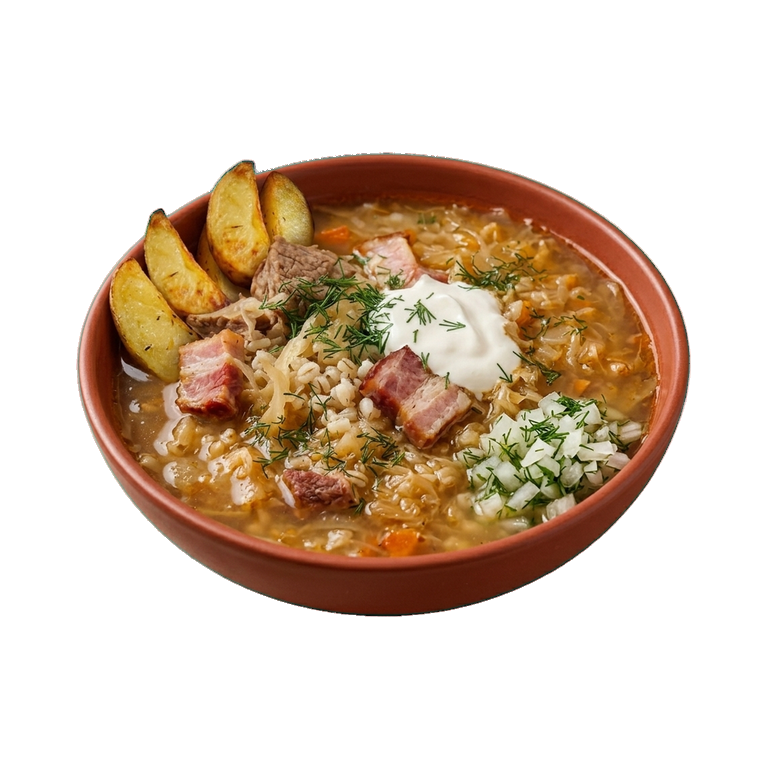
- Base for soups — the grain doesn't fall apart and holds its shape in liquid dishes
- Ingredient for casseroles and cutlets — it can be mixed with ground meat or vegetables
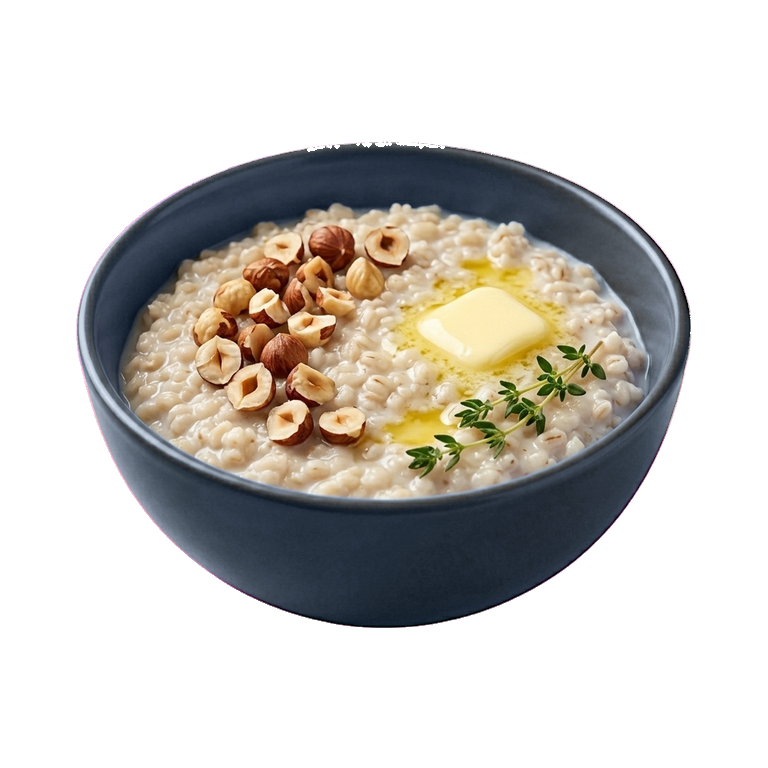
- Breakfast porridge — cook with butter and add dried fruits or berries
- Component in lean dishes — the grain is filling and pairs well with mushrooms and vegetables
How to Choose and Store
When purchasing, pay attention to the color: good pearl barley should be light yellow or cream-colored, without gray spots or foreign particles. The grain should be dry and crumbly, without lumps or a musty smell. Check the packaging for integrity — moisture and air are enemies of grains.
Store the cereal in an airtight container in a cool, dry place away from sunlight. A glass jar with a tight-fitting lid or plastic container are ideal options. When stored properly, pearl barley retains its quality for a year and longer. If you notice a musty smell or find insects, it's best not to use the cereal.
Pearl barley is an underrated kitchen helper. It's cheaper than many other grains, cooks quickly, and works well with any ingredients. Try it in a soup or as a side dish with stewed meat — the result might surprise you.
Nutrition
per 100 g
- Calories
- 313 kcal
- Protein
- 10.4 g
- Fat
- 1.3 g
- Carbs
- 66.3 g
Measures and weight
- 1 tbsp
- 10.5 g
- 1 tsp
- 3.5 g
- 1 cup
- 175 g
Measure calculator
- Weight
- 100 g
- Calories
- 313 kcal