Usuba
Usuba
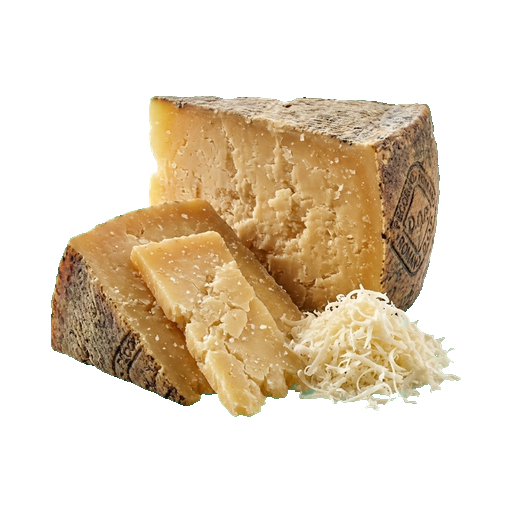
Pecorino cheese
Pecorino is a hard cheese made from sheep's milk with a sharp, salty flavor and granular texture. It is well-suited for grating thanks to its dense consistency and is often used in Italian cuisine as an alternative to Parmesan or as a standalone topping for pasta, soups, and salads. When selecting pecorino, pay attention to the age of the cheese — young pecorino is softer and less sharp, while aged pecorino has a more intense flavor and maintains its shape better when grated.
About
What is Pecorino and why is it special
Pecorino is a hard cheese made from sheep's milk with a characteristic grainy structure and salty flavor. Its main difference from cow cheeses lies in its intensity: pecorino is sharper, more piquant, with a pronounced creamy-nutty aftertaste. The cheese is easily recognizable by its dense consistency and ability to crumble well — this makes it an ideal candidate both for grating and for slicing into thin pieces.
Aroma, taste and texture
Young pecorino has a soft, creamy flavor with a delicate saltiness. The longer it matures, the sharper it becomes — aged cheese can deliver a spicy, almost peppery bite with mineral notes. On the palate, you can feel a slight astringency that stimulates the appetite well. The aroma is herbaceous, with light sheep's milk notes, but without a harsh smell.
How to use in the kitchen
Pecorino is a versatile helper in Italian cuisine and beyond. It is most often grated over pasta, risotto, and soups instead of Parmesan, but it gives a more pronounced, sharp result. Young cheeses are good sliced at the table with bread, honey, and pears. Aged versions are added to baked dishes, salads, and even desserts with fruits.
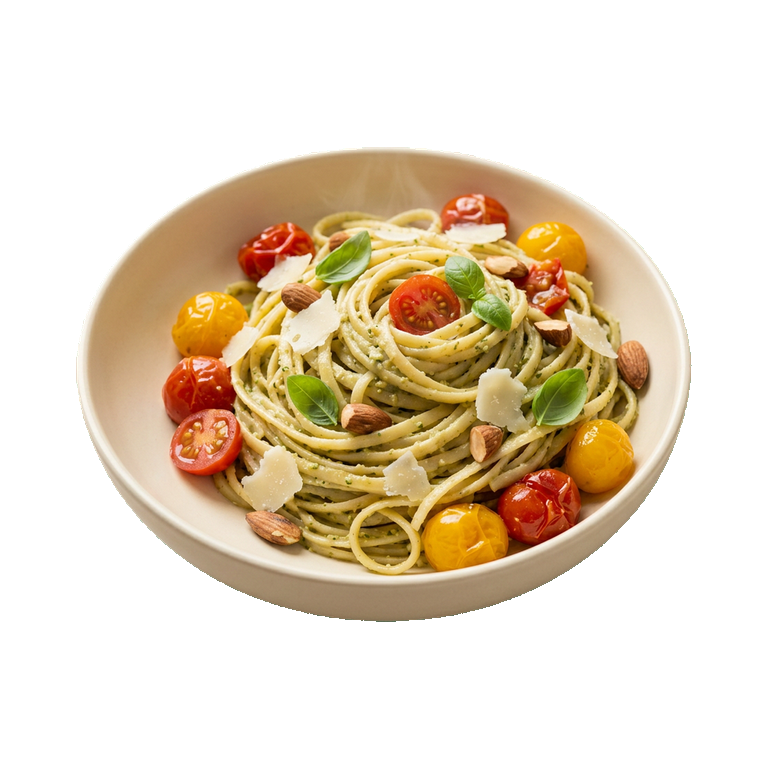
- Pasta with vegetables — pecorino will highlight the taste of tomatoes and herbs
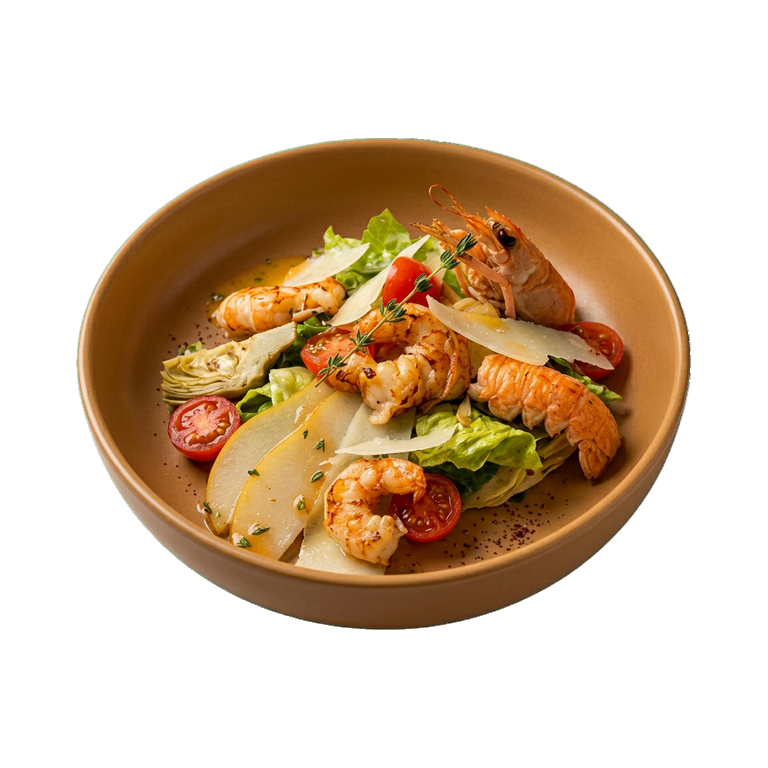
- Salads with arugula and bacon — the sharpness of cheese balances the richness
- Baked vegetables and meat — melts in a hot dish, creating a crust
- Cheese to the table with fruits — pear, fig and honey — a classic duet
- Crumbles in soup or cream soup — adds depth of flavor
How to choose and store
When choosing, pay attention to the color — it should be light yellow or creamy, without dark spots. Rub your finger across the surface: good pecorino should not be sticky or moldy. If you want a sharp taste, choose darker cheese with visible crystals; for a mild flavor, a lighter variety will work. Pecorino is usually cheaper than Parmesan, but the quality doesn't suffer.
Store pecorino in the refrigerator, wrapped in parchment paper or in a container with a breathable lid. Polyethylene is not suitable for this cheese — it causes sweating and mold. A whole piece keeps for several months, grated cheese in an airtight container — up to two weeks. Before using, let the cheese sit for half an hour at room temperature to allow its flavor to fully develop.
What pairs well with
- White wines (vermentino, pinot grigio) — neutralize spiciness well
- Medium-bodied red wines (barbera, nebbiolo) — enhance piquancy
- Honey and jam — contrasting sweetness softens saltiness
- Fresh vegetables (tomatoes, eggplants, zucchini) — classic Mediterranean combination
- Olive oil and black pepper — simple and effective serving method
Pecorino is a cheese that makes a dish brighter and more interesting. Its sharpness and saltiness demand respect for the recipe, but generously reward those who learn to work with it. Start with young pecorino as a table cheese, then move on to aged varieties for pasta and baked dishes.
Nutrition
per 100 g
- Calories
- 429 kcal
- Protein
- 38.2 g
- Fat
- 32 g
- Carbs
- 1 g
Measures and weight
- 1 slice
- 25 g
Measure calculator
- Weight
- 100 g
- Calories
- 429 kcal