Usuba
Usuba
Habanero pepper
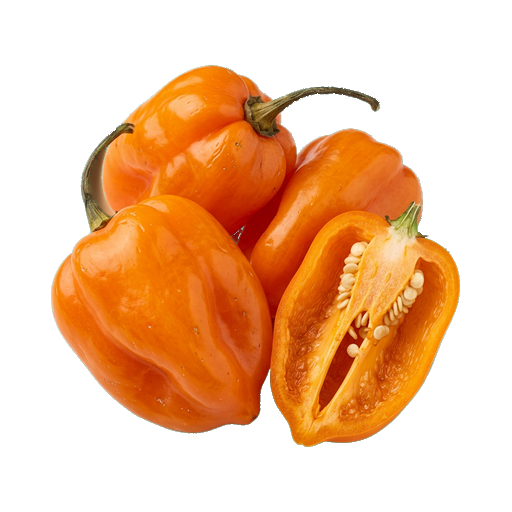
Hot pepper with a characteristic fruity aroma and fiery flavor, occupying a middle position in terms of heat among hot varieties. Used in Mexican cuisine for making sauces, marinades, and spicy dishes, adding a deep flavor with fruity notes. When working with habanero, it is important to wear gloves and avoid touching your face, as its oils cause intense burning. In dishes, it can be replaced with serrano or jalapeño in larger quantities.
About
Aroma and taste
Habanero is a hot pepper, but its heat is not the main thing. The main thing is the fruity bouquet that unfolds with the first bite. You can feel floral notes, a hint of apricot or peach, sometimes a light earthiness. The heat doesn't come immediately, but builds slowly, leaving warmth on your tongue for a long time. That's why experienced chefs value habanero not only for its heat, but also for its flavor depth.
On the Scoville scale, habanero ranks between jalapeño and more aggressive varieties — approximately 100–350 thousand units. This means the pepper is noticeably spicy, but not dangerous for most people. Fresh habanero has a brighter flavor than dried, but both options work well in the kitchen.
Where to use
Habanero is versatile. It is added to sauces, marinades, soups, and curries. Fresh peppers are sliced thinly for salsa, guacamole, or fish dishes. Dried peppers are ground into powder for spices or softened in hot water for sauces. In Asian cuisine, habanero works well with seafood and vegetables. In Latin American cuisine, it is the foundation of hot sauces and meat marinades.
Habanero's flavor neighbors are mango, lime, garlic, cilantro, and cumin. The fruity notes of the pepper contrast nicely with acidity and sweetness. If you're making a hot sauce, add a bit of honey or brown sugar — this will soften the heat and bring out the fruitiness. With dairy products (yogurt, sour cream, cream) habanero creates a pleasant balance.
Selection and Storage
Fresh habanero should be firm, without soft spots or wrinkles. The color varies from orange to red — both are good, just red ones are slightly sweeter and milder in heat. The skin should be glossy, and the pepper itself should feel heavy for its size.
- Fresh habanero is stored in the refrigerator for up to three weeks in a paper bag or plastic container
- Dried peppers should be kept in an airtight jar away from light and moisture — this way they retain their aroma for months
- Frozen habanero loses its crispness, but is suitable for sauces and hot dishes
When working with habanero, wear gloves — the pepper's essential oils irritate skin and mucous membranes. Remove the seeds with a spoon if you want to reduce the heat. Remember: the main spiciness is concentrated in the white partition inside the pepper, not in the seeds.
Habanero is a pepper for those who are ready for heat, but don't want to sacrifice flavor. Its fruity character makes it a favorite among professional chefs. Start with half a pepper in your recipe if you're unsure about your spice tolerance, and then experiment.
Nutrition
per 100 g
- Calories
- 40 kcal
- Protein
- 1.9 g
- Fat
- 0.4 g
- Carbs
- 8.8 g
Measures and weight
- 1 pcs
- 15 g
Measure calculator
- Weight
- 100 g
- Calories
- 40 kcal