Usuba
Usuba
Brewer's Yeast
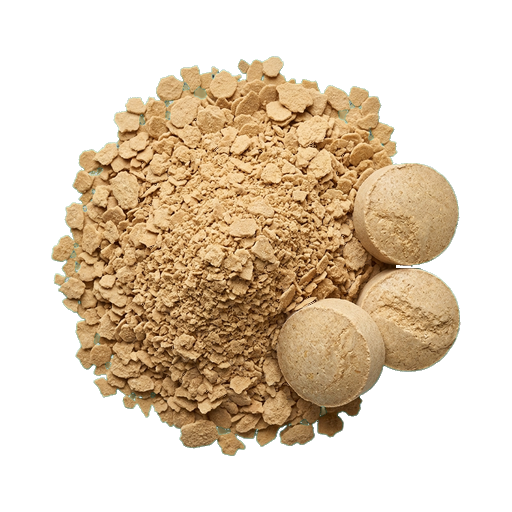
Brewer's yeast is a living microorganism used for beer fermentation that imparts its characteristic flavor and aroma. In cooking, it is used not only for homebrewing but also as an additive to dough for baking, where it provides rise and creates a porous structure. When choosing yeast, it is important to pay attention to the strain and storage conditions, as the activity of live cultures decreases over time, and incorrect temperature can compromise their properties.
About
Beer yeast is a living microorganism that converts sugar into alcohol and carbon dioxide. In cooking, it is valued not only as the basis for homemade beer, but also as a versatile ingredient for baking, fermentation, and enriching dishes. It gives dough a fluffy texture and finished products a distinctive depth of flavor.
Taste and Aroma
Live beer yeast has a characteristic bread-like, slightly nutty aroma with notes of malt. It has a slightly bitter taste with a light tanginess. Dry yeast retains these qualities longer, but live yeast provides a more pronounced and clean result. When yeast is active, it creates gas bubbles in the dough, which make baked goods airy and light.
Role in dishes and pairings
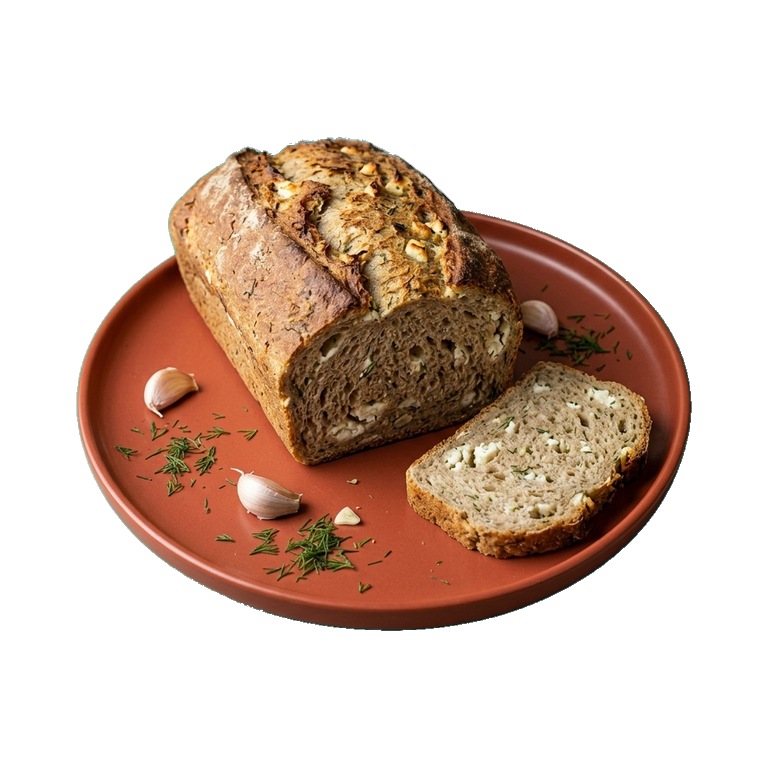
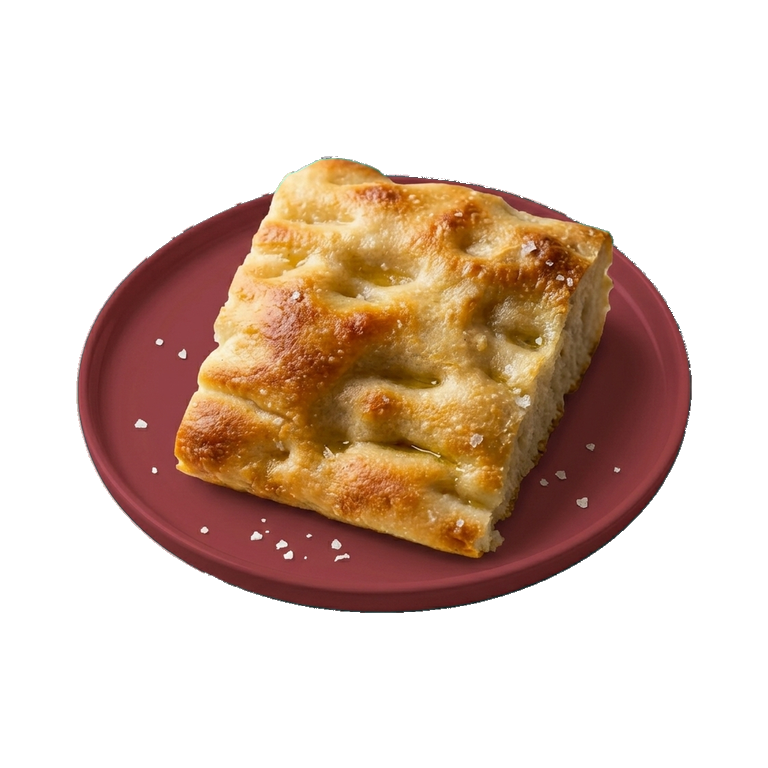
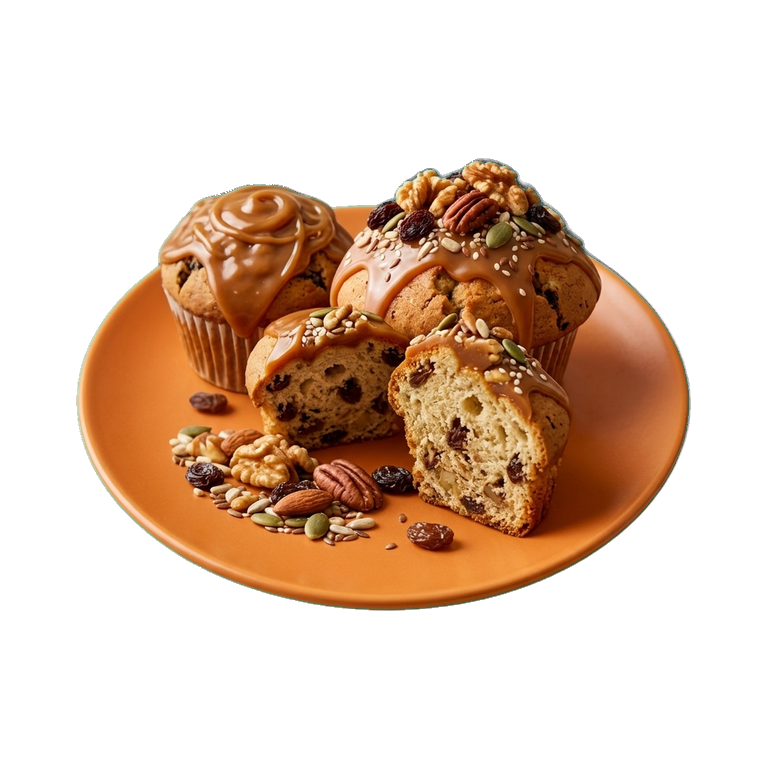
Beer yeast works in any yeast dough — from white bread to sweet pastries and pizza. They pair well with flour, malt, dark sugar, and spices. In starter cultures for kvass or kefir, yeast creates the necessary acidity and carbonation. Some chefs add them to soups and broths for a rich flavor.
- Fresh yeast in blocks — the most active, but requires refrigeration and quick use
- Dry yeast — more convenient to store, works slower, but more reliable
- Pressed yeast — a compromise between activity and shelf life
Selection and Storage
When buying fresh yeast, pay attention to the packaging date — freshness is critical. The brick should be light brown, without dark spots or mold. Choose dry yeast in sealed packets; if it has clumped together, its activity has decreased.
Live yeast should be stored in the refrigerator in an airtight container for no more than a month. Dry yeast can be safely kept in a cupboard at room temperature for a year or more, provided the package is not damaged. Before use, make sure the yeast responds to heat — add a pinch to warm water with sugar, and after 10 minutes foam should appear. If there is no foam, the yeast is dead.
Practical Tips
- Do not add yeast to very hot liquid — it will die. The optimal temperature is 35–40 degrees
- To speed up fermentation, add a little sugar — it will give the yeast energy
- If the dough is proofing longer than usual, the yeast may be weak or old
- Excess yeast will not speed up the process but will spoil the taste — follow the recipe
Nutrition
per 100 g
- Calories
- 326 kcal
- Protein
- 45 g
- Fat
- 4 g
- Carbs
- 30 g
Measures and weight
- 1 tbsp
- 9 g
- 1 tsp
- 3 g
- 1 cup
- 150 g
Measure calculator
- Weight
- 100 g
- Calories
- 326 kcal