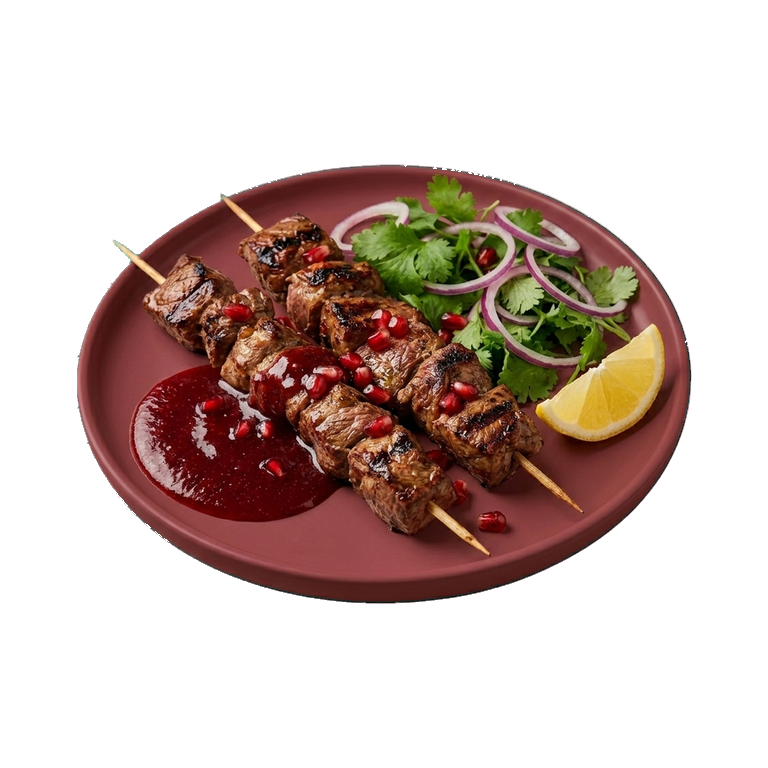
Usuba
Usuba
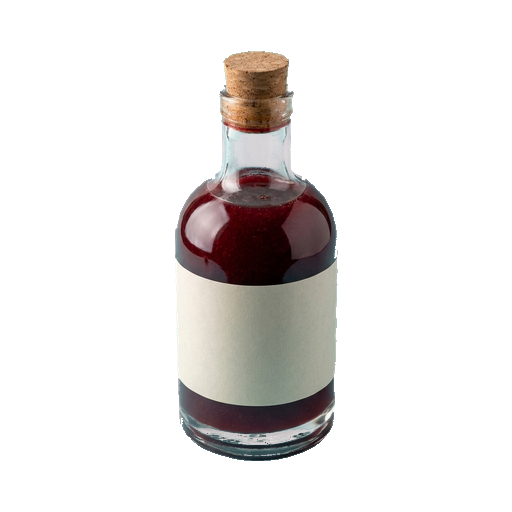
Pomegranate syrup
A thick, dark red syrup made from concentrated pomegranate juice with pronounced acidity and subtle astringency. Used in Caucasian and Middle Eastern cuisine for marinades, meat and poultry sauces, as well as a component in beverages and desserts. When choosing, pay attention to the composition — quality syrup contains only pomegranate juice and sugar without artificial additives and thickeners.
About
Pomegranate syrup is a concentrated pomegranate juice cooked with sugar to a thick consistency. The product has a bright sweet-sour taste with a slight astringency and a rich dark-red color. In cooking, it is used as a versatile ingredient to add depth to dishes and beverages, as well as a standalone sauce.
Aroma and taste
The flavor profile of pomegranate syrup is a balance between sweetness and pronounced acidity. Against the backdrop of the main tartness, fruity notes emerge with a barely perceptible bitterness that appears on the finish. The aroma is fruity, fresh, with a subtle spiciness. This complex composition allows the syrup to work well in both sweet and savory dishes.
Role in dishes
Pomegranate syrup most often serves as a sauce or glaze. It is drizzled thinly over the finished dish at the last moment — this way it doesn't lose its bright flavor and creates a visual contrast. The syrup works well with meat (especially poultry and lamb), enhances salads, adds acidity to grain side dishes, and brings interest to yogurts and cottage cheese.
Successful Pairings
- With meat: duck, chicken, lamb, beef
- With vegetables: eggplant, tomatoes, beets, carrots
- With herbs: cilantro, parsley, mint
- With nuts: walnuts, pine nuts, pistachios
- With dairy products: yogurt, cottage cheese, cream cheese
- With grains: rice, bulgur, quinoa
Selection and Storage
When purchasing, pay attention to the consistency — quality syrup should be sufficiently viscous but not crystallized. Check the ingredients on the label: ideally it should contain only pomegranate juice and sugar, without thickeners and preservatives. The color should be deep, almost black with a red tint.
- Store in a cool dark place at room temperature
- After opening, refrigerate in an airtight container
- Shelf life in refrigerator — 2–3 months
- If syrup crystallizes, place jar in hot water for several minutes
Practical Tips
Add the syrup at the end of cooking to preserve its bright flavor and color. For salads, you can dilute it with a small amount of olive oil and vinegar to create an interesting dressing. If the syrup is too sweet for your taste, thin it with lemon juice or add a pinch of salt. In beverages, the syrup works well with both hot tea and cold water or carbonated drinks.
Nutrition
per 100 ml
- Calories
- 270 kcal
- Protein
- 0.1 g
- Fat
- 0.1 g
- Carbs
- 67 g
Measures and weight
- 1 tbsp
- 19.5 g
- 1 tsp
- 6.5 g
- 1 cup
- 325 g
Measure calculator
- Weight
- 100 g
- Calories
- 208 kcal