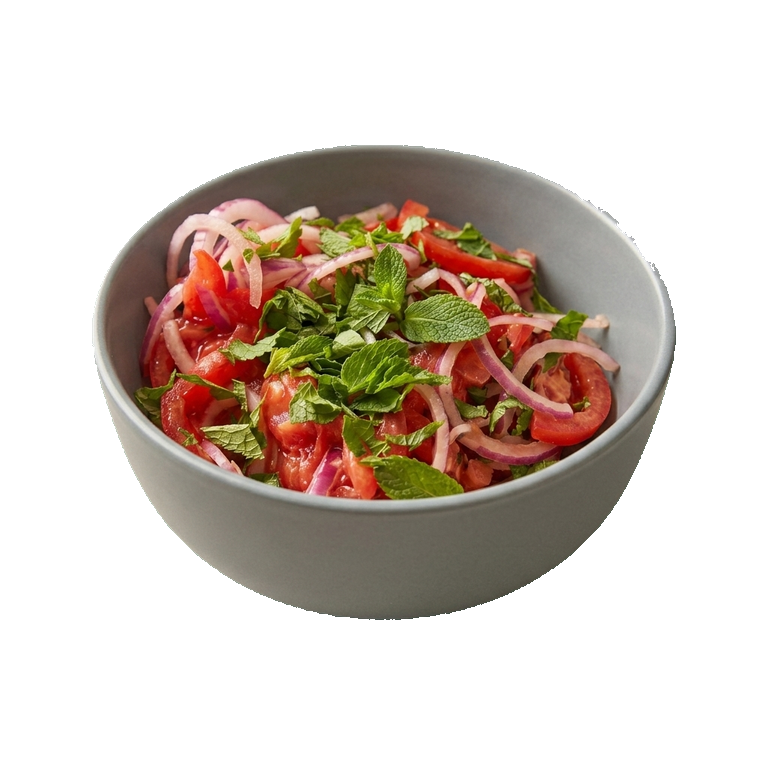
Usuba
Usuba
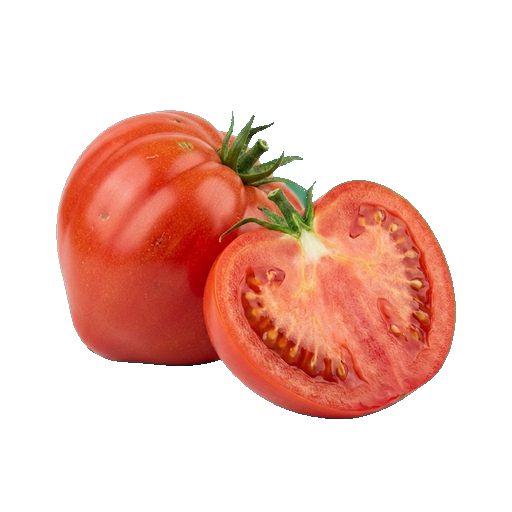
Beefsteak Tomatoes
Large meaty tomatoes with a distinctive heart shape, characterized by low seed and water content. The flesh is firm, sweet, with a rich tomato flavor, ideal for slicing in salads, making sauces and pastas. When selecting, pay attention to the firmness of the fruit and uniform red color, and when storing, avoid the refrigerator to preserve sweetness and aroma.
About
Meaty giant in the garden
Beefsteak tomatoes are those very large, slightly irregular shaped tomatoes that inspire admiration with their size and weight. A single fruit can easily weigh 300–500 grams, and sometimes even more. Inside them there are minimal seeds and maximum dense, meaty flesh — this is precisely why they are so valued in the kitchen. The skin is thin but sturdy, usually pink-red or deep red in color.
To taste, these are sweet tomatoes with a slight tartness that deliver a true tomato flavor — neither watery nor bland. The aroma is rich, especially if the fruit is grown in warmth and picked ripe. The flesh literally melts in your mouth, leaving a pleasant aftertaste.
Where they work best
Thanks to its dense flesh and minimal seeds, "beef heart" tomatoes are ideal for slicing thickly for sandwiches or salads. They won't fall apart and won't release excess juice onto the plate. Such tomatoes are perfect in summer salads with mozzarella, basil, and olive oil — their flavor truly shines through here.
- Stuffing: tomato halves are easy to fill with rice, meat, or vegetable fillings — the shape and size allow it
- Sauces and ketchups: the meaty structure provides concentrated tomato flavor when cooking
- Grilling and baking: large slices won't dry out over heat and will retain juiciness inside
- Fresh consumption: simply slice, salt, and eat — that's the best way to appreciate their quality
They are also excellent in hot dishes: in stews, soups, or tomato sauces they provide a deep, rich flavor. However, keep in mind that with prolonged cooking, the pulp may soften slightly — this is normal and even desirable for some dishes.
How to Choose and Store
When buying, pay attention to the color — it should be uniform, red or pink-red, without green spots. The tomato should be firm but slightly yield when pressed with a finger. Soft spots or dents are signs of beginning rot, and such tomatoes are better not to take.
Ripe tomatoes should be stored at room temperature, away from direct sunlight. The refrigerator slows down ripening and spoils the taste, so put them there only if they are overripe and you want to slow down the process. On the counter, they will keep well for 3–5 days. If the tomatoes are still underripe, leave them in the kitchen in a single layer — they will ripen in a few days.
Successful Combinations
"Beef Heart" sounds wonderful paired with tender creamy cheeses, fresh herbs (basil, parsley, dill), olive oil, and black pepper. They pair well with meat — especially beef and chicken — and with light vegetables like zucchini or eggplant. Balsamic vinegar will enhance their sweetness, and garlic will add depth.
The main advantage of "beef heart" tomato is its meatiness and flavor. Use these qualities: don't overcook it, don't overload it with sauce, let the tomato speak for itself.
Nutrition
per 100 g
- Calories
- 20 kcal
- Protein
- 0.9 g
- Fat
- 0.2 g
- Carbs
- 3.9 g
Measures and weight
- 1 pcs
- 250 g
Measure calculator
- Weight
- 100 g
- Calories
- 20 kcal