Usuba
Usuba
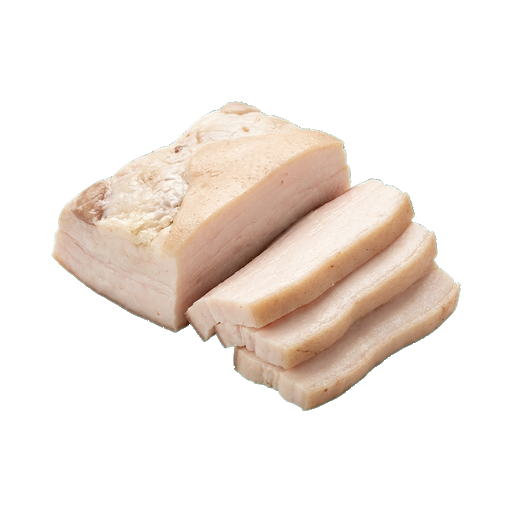
Pork lard
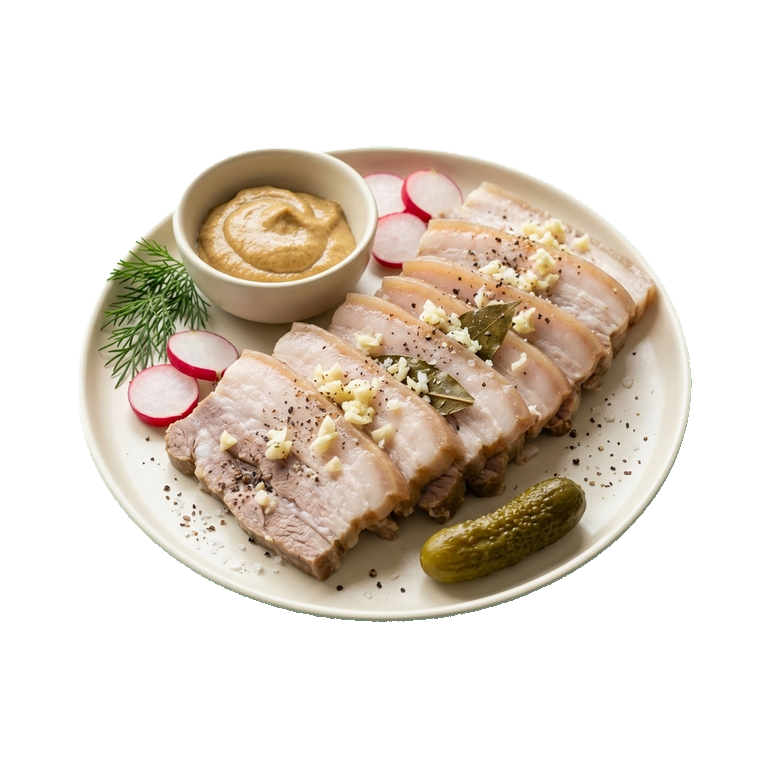
Pork lard is a dense layer of subcutaneous fat that, when properly processed, becomes a delicacy with a tender consistency and pleasant buttery flavor. It is used as a standalone dish (salted, smoked, as larding for meat), added to ground meat mixtures and dough for juiciness, and rendered to obtain lard fat. When selecting, it is important to pay attention to white or light pink meat color, absence of off-odors, and firmness; butter or vegetable fat can serve as substitutes, but they will provide a different flavor profile.
About
Pork lard is one of the most versatile and economical fats in the kitchen. It is not just rendered fat, but a full-fledged ingredient with its own character: dense, with a pronounced pork aroma and the ability to turn the simplest dishes into satisfying and delicious meals. In the kitchen, lard works everywhere: from a base for frying to a crispy appetizer and a component of meat fillings.
Aroma, taste and texture
Fresh lard has a delicate, almost buttery taste with a slight sweetness. When baked or melted, it becomes more intense, with a rich pork aroma. The texture depends on temperature: at room temperature lard is soft and malleable, in the refrigerator it hardens, and when heated it melts into transparent liquid fat. Good lard should be white or pale pink, without yellowness and off-odors.
Where to use it
Lard is an ideal base for frying potatoes, vegetables, and meat. It creates crispy, golden crusts that vegetable oil cannot achieve. Thin slices of salted lard are eaten as a snack with bread and onion. Cubes of lard are added to ground meat mixtures for cutlets, sausages, and pâtés — they make the finished dish juicier and more aromatic. Melted lard is used for preserving meat, fish, and vegetables, as well as for baking pies and cookies.
- Frying potatoes, vegetables, meat and fish
- Appetizer: salted lard with bread and onions
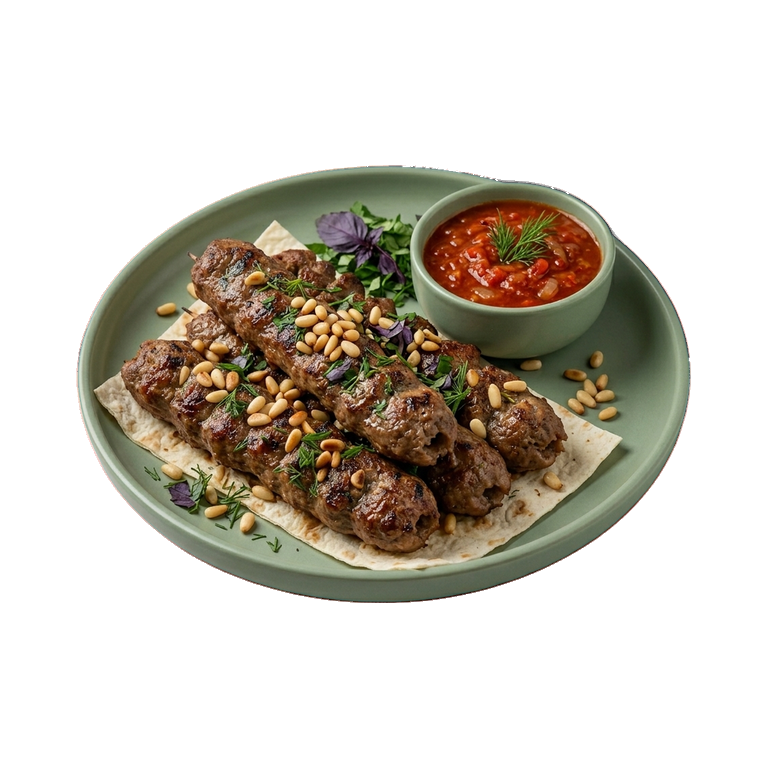
- Component for meat fillings for cutlets and sausages
- Preserving meat and fish
- Baking pies, cookies and buns
- Base for pâtés and liver sausages
Selection and Storage
When purchasing, pay attention to the color — it should be white or light pink, without spots or darkening. The smell should be pleasant, pork-like, without mustiness. If lard is sold in vacuum packaging, make sure the package is intact and there is no liquid inside. Fresh unsalted lard is stored in the freezer for up to six months, salted lard — in the refrigerator in glass or ceramic dishes for up to a month. Rendered lard lasts longer due to high-temperature processing.
Pairings and Tips
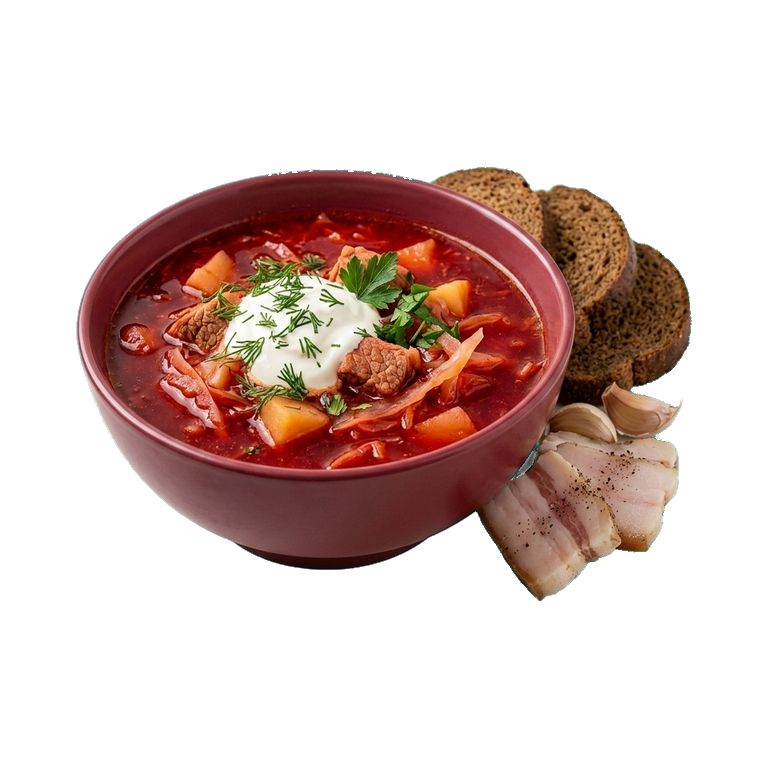
Lard works well with onions, garlic, pepper, and herbs. A classic combination is salted lard with black bread, tomatoes, and onions. For frying, choose unsalted lard — it provides a clean flavor and won't oversalt your dish. When making pastries, use chilled lard cut into cubes: it will create an airy, flaky structure. Remember: lard is fat, so you only need a little. One tablespoon per serving of potatoes will already give it excellent taste and aroma.
Pork lard is not a luxury, but a practical ingredient that makes food tastier and more satisfying. Learn how to choose and store it properly, and it will become a reliable helper in your kitchen.
Nutrition
per 100 g
- Calories
- 841 kcal
- Protein
- 1.4 g
- Fat
- 94 g
- Carbs
- 0 g
Measures and weight
- 1 slice
- 25 g
Measure calculator
- Weight
- 100 g
- Calories
- 841 kcal