Usuba
Usuba
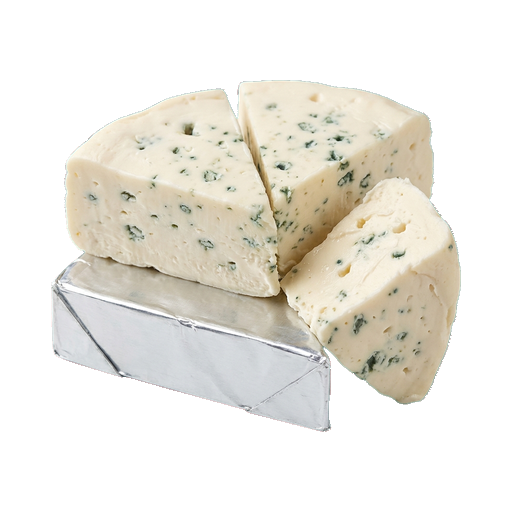
Processed cheese, assorted blue
Processed cheese with a delicate creamy texture, made from a blend of natural cheeses with the addition of blue cheese, which gives it a characteristic sharp and salty taste with piquant notes. Melts well and is suitable for making sauces, spreading on bread, adding to hot dishes and sandwiches. When choosing, pay attention to the expiration date and package integrity, as processed cheese requires proper refrigeration storage.
About
Processed cheese is a product that home cooks often underestimate. It is not just a convenient ingredient for sandwiches, but a true kitchen helper, especially when it comes to the blue cheese version. Such cheese combines the creamy consistency of processed cheese with the sharp, recognizable taste of noble mold, creating an interesting flavor profile that is easier to integrate into everyday dishes than classic blue cheese.
Aroma and taste
The main highlight of this product is the balance between softness and character. Blue mold provides a sharp, piquant taste with a slight bitterness, but the creamy texture softens these edges, making the flavor less aggressive and more versatile. The aroma is pronounced but not harsh — rather noble and spicy, with subtle nutty notes.
Where to use
- Sauces and dips. Melted blue cheese is ideal for creamy sauces for steaks, wings, or vegetables — it dissolves quickly and provides a thick consistency without lumps.
- Spreads for bread and crackers. The soft texture allows for easy application, and the flavor is well-pronounced even in small amounts.
- Fillings for burgers and sandwiches. The cheese melts evenly and doesn't require additional heating, which simplifies assembly.
- Addition to potatoes. Baked potatoes or mashed potatoes with this cheese gain piquancy and depth.
- Dressing for salads. A small piece dissolved in warm vinaigrette creates an interesting sharp sauce.
Successful Combinations
Blue cheese works well with meat — beef, bacon, ham. Vegetables like pears, apples, and walnuts highlight its piquancy. On the table, this cheese pairs with honey, jam, and nuts, creating contrasting combinations. Strong red wines, port, or even dark beer are suitable beverages.
Selection and Storage
When purchasing, pay attention to the packaging — it should be intact, without swelling. The cheese itself should be uniform in color with visible veins of mold. If the product has separated or has an unpleasant smell, it's better not to take it. Processed cheese has a longer shelf life than classic cheese, but still requires refrigeration.
- Keep refrigerated at a temperature of 4–6 degrees.
- Close the package or transfer to an airtight container so the cheese does not absorb odors.
- Use within 7–10 days after opening the package.
- Before using in hot dishes, remove the cheese from the refrigerator 15–20 minutes before to help it melt better.
Feel free to experiment with this cheese in the kitchen. Its creamy texture and sharp flavor open up many possibilities — from a simple snack to the base for a complex sauce. The main thing to remember is that mold gives a strong flavor accent, so a small amount often has a greater effect than it seems.
Nutrition
per 100 g
- Calories
- 229 kcal
- Protein
- 10 g
- Fat
- 19 g
- Carbs
- 3 g
Measure calculator
- Weight
- 100 g
- Calories
- 229 kcal