Usuba
Usuba
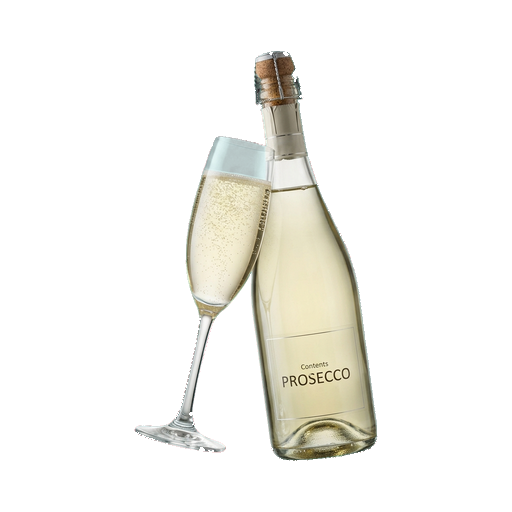
Prosecco
Sparkling wine from Italy with a light, fresh taste and floral notes, characterized by delicate bubbles and low alcohol content. In cooking, it is used for preparing cocktail sauces, fruit desserts, and seafood, as well as an aperitif beverage. When selecting, pay attention to the sugar level — Brut contains minimal sweetness, while Dosagio is sweeter, which is important to consider depending on the recipe and personal preferences.
About
Prosecco is a sparkling wine that is often confused with champagne, but it is quite different. The main difference lies not only in its origin but also in its production method. While champagne requires secondary fermentation in the bottle, prosecco undergoes fermentation in large tanks, which makes it more affordable and simpler to produce. The result is a light, fresh wine with fine bubbles that is perfect for everyday dining.
Aroma and taste
Prosecco has a characteristic bouquet with notes of green apple, pear, and white flowers. The taste is delicate and slightly sweet, without sharp acidic hits. It's not a complex wine for deep analysis — it's simply pleasant, refreshing, and easy to drink. The bubbles are fine and delicate, they don't sting the tongue like more aggressive sparkling wines.
Role in dishes and pairings
Prosecco works in the kitchen in several ways. First, it is an ideal aperitif — a wine that whets the appetite and creates a festive mood. Second, it can be used in cocktails: classic recipes with prosecco turn out lighter and brighter than with champagne. Third, the wine pairs perfectly with snacks — seafood, light cheeses, fruits, and even sweet desserts.
Try serving Prosecco with oysters, shrimp, prosciutto, goat cheese, or fresh strawberries. The wine doesn't overpower delicate flavors; instead, it enhances them. Thanks to its lightness and freshness, Prosecco works wonderfully at summer gatherings, picnics, and light lunches.
Selection and Storage
When choosing prosecco, focus on the vintage year — freshness is critical here. Pay attention to the designation on the label: Brut (the driest), Extra Dry (slightly sweeter), Dry (sweeter). For everyday table use, Extra Dry works well — it strikes a perfect balance. Prosecco is usually cheaper than champagne, but this doesn't mean you should choose the cheapest option.
Store Prosecco in a cool place, in a horizontal position, away from direct sunlight. An opened bottle can be kept in the refrigerator for several days if you push the cork back in or use a special stopper for sparkling wines. However, it is best to drink Prosecco within one or two days after opening, while the bubbles are still lively.
Prosecco is a wine that doesn't require an occasion. You can open it on an ordinary evening to add festivity to dinner, or use it as a base for a light cocktail. It forgives minor mistakes in food pairings and always remains a reliable helper in the kitchen.
Nutrition
per 100 ml
- Calories
- 82 kcal
- Protein
- 0.1 g
- Fat
- 0 g
- Carbs
- 2.6 g
Measures and weight
- 1 tbsp
- 14.8 g
- 1 tsp
- 5 g
- 1 cup
- 247.5 g
Measure calculator
- Weight
- 100 g
- Calories
- 83 kcal