Usuba
Usuba
Unbleached wheat flour
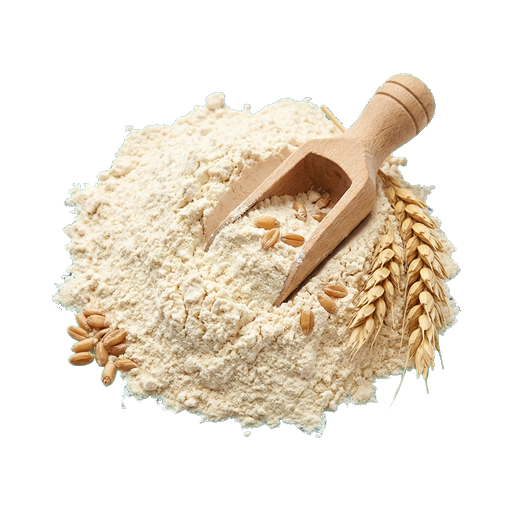
Unbleached wheat flour retains a natural cream color and a more pronounced bread flavor. It contains slightly more nutrients and fiber thanks to the preservation of the grain's germ and bran, making it ideal for bread, rolls, and homemade baking. When working with this flour, it's important to note that it may require slightly more liquid in the dough and takes longer to rise than bleached flour, but the result has a more interesting, deeper flavor.
About
Unbleached wheat flour is flour in its natural state, without chemical processing by bleaching agents. It retains a cream or slightly yellow tint and has a more pronounced grain aroma than bleached flour. Such flour ages more slowly and better maintains dough elasticity thanks to natural antioxidants in its composition.
Aroma and Taste
Unbleached flour smells of grain — this is not just pleasant, it helps assess the quality of the product. Fresh flour has a soft, slightly sweet aroma. When baking, it emphasizes the natural bread flavor without adding chemical notes. This is especially noticeable in simple recipes: white bread, buns, or cookies turn out with a deeper, richer taste.
Role in Dishes
- Bread and rolls — unbleached flour gives fluffier dough and a beautiful golden crust
- Cookies and cakes — the dough becomes more elastic, products stay soft longer
- Pizza and focaccia — flour absorbs moisture well, dough becomes airy
- Pancakes and fritters — provide better structure without excess density
- Homemade pasta — ensures good adhesion and elasticity
Selection and Storage
When purchasing, pay attention to the color — it should be creamy or light beige, without gray or brown specks. Smell the flour: the scent should be clean, grainy, without mustiness or rancidness. Check the packaging date — unbleached flour contains natural fats that oxidize over time.
Store flour in an airtight container in a cool, dry place or in the refrigerator. At room temperature, it stays fresh for 2–3 months, in the refrigerator — up to 6 months. If you notice lumps, a strange smell, or signs of insects, it's better not to use the flour. Proper storage ensures that flour retains its beneficial properties and flavor qualities.
Unbleached flour is ideal for those who want to feel the natural taste of baked goods and avoid chemical additives. Try replacing regular flour with it in your favorite recipe — the result may pleasantly surprise you.
Nutrition
per 100 g
- Calories
- 342 kcal
- Protein
- 11.5 g
- Fat
- 1.8 g
- Carbs
- 69.6 g
Measures and weight
- 1 tbsp
- 8.3 g
- 1 tsp
- 2.8 g
- 1 cup
- 137.5 g
Measure calculator
- Weight
- 100 g
- Calories
- 342 kcal