Usuba
Usuba
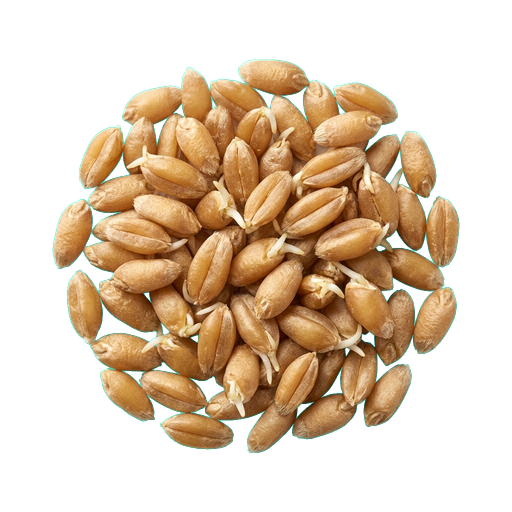
Wheat berries for sprouting
Wheat grains specially selected for sprouting have high germination rates and contain maximum nutrients that are activated during soaking and sprouting. Sprouted wheat has a slightly sweet, subtly nutty flavor and tender texture, and is added to salads, smoothies, cereals, and bread to increase nutritional value. When selecting, make sure the grains are whole, without damage or mold, and for successful sprouting use clean water and keep them in a moist environment at room temperature for 2–3 days.
About
Wheat for sprouting is ordinary grains that have not undergone any processing and are ready to transform into living sprouts. When you soak such grains in water, they awaken and begin to grow, accumulating vitamins, enzymes, and micronutrients. These are not just seeds, but potential: each grain stores energy for the development of a new plant, and it is this energy that makes sprouts so valuable in the kitchen.
Taste and texture of young sprouts
Wheat sprouts have a delicate, slightly sweet taste with grassy notes. The texture is crispy, almost like young lettuce, but with greater density. When you chew a sprout, you feel a sense of liveliness — a freshness sensation that is difficult to get from ordinary ingredients. The length of the sprouts affects the intensity: very young ones (2–3 days) are more tender and sweet, while more mature ones (5–7 days) become firmer and develop a more pronounced grassy character.
Where to use in the kitchen
Wheat sprouts work in salads as a crunchy element that adds nutrition and interesting texture. They keep well in sandwiches and wraps without becoming soggy or losing their shape. In smoothies and juices, sprouts dissolve almost completely, giving drinks freshness and micronutrients. Some cuisines add them to soups at the last moment before serving — this way they retain their crunch. Sprouts are also suitable as garnishes for fish and meat, where their delicacy contrasts with the density of the main dish.
- Salads with vegetables and herbs
- Sandwiches and subs
- Smoothies and fresh juices
- Side dishes for hot meals
- Soup toppings
Selection and Sprouting
When purchasing, pay attention to the integrity of the grains — they should be free from cracks and damage, otherwise they may rot during soaking. The color should be uniform, light brown or golden. Home sprouting takes 5–7 days: soak the grains overnight, then rinse them daily in a colander, ensuring moisture and air circulation. The ideal length of sprouts for use is 1–2 centimeters, when they have already accumulated nutrients but are still tender.
Storage of ready sprouts
Fresh sprouts are stored in the refrigerator in an airtight container or a bag with holes for air circulation. This way they retain their crunch and freshness for 5–7 days. Before storage, make sure the sprouts are completely dry — excess moisture leads to mold. If you notice an odor or slime, the sprouts have spoiled and should be discarded. Dry wheat grains for sprouting are stored in a cool, dry place in an airtight container — they retain germination capacity for up to a year.
Wheat for sprouting is an investment in freshness and nutritional value of your dish. A simple process of growing it at home gives you control over quality and the ability to have live sprouts always on hand. Even a small handful of sprouts can change the texture and flavor profile of a simple dish, adding life and energy to it.
Nutrition
per 100 g
- Calories
- 305 kcal
- Protein
- 11.8 g
- Fat
- 2 g
- Carbs
- 61 g
Measures and weight
- 1 tbsp
- 11.3 g
- 1 tsp
- 3.8 g
- 1 cup
- 187.5 g
Measure calculator
- Weight
- 100 g
- Calories
- 305 kcal