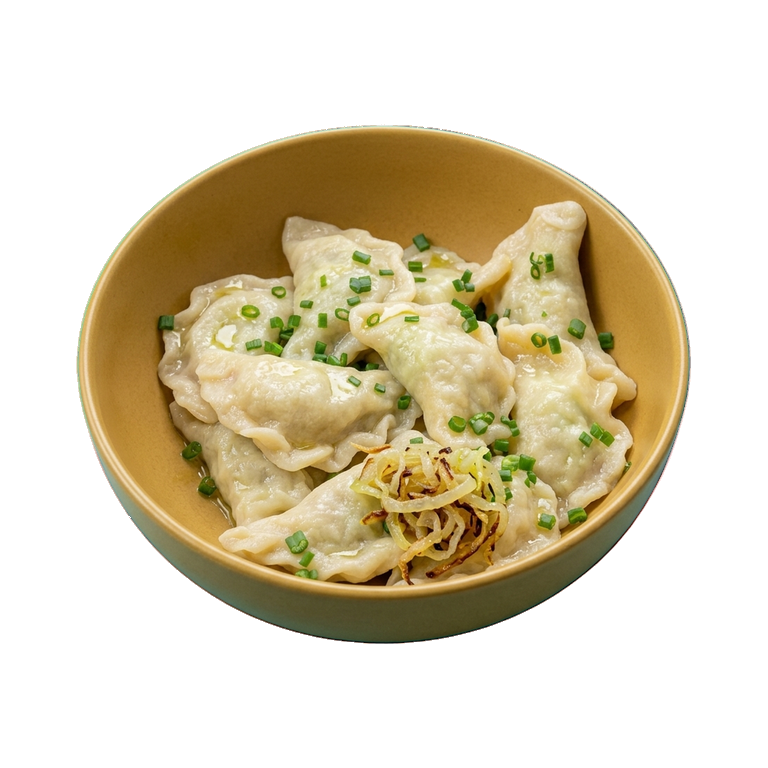
Usuba
Usuba
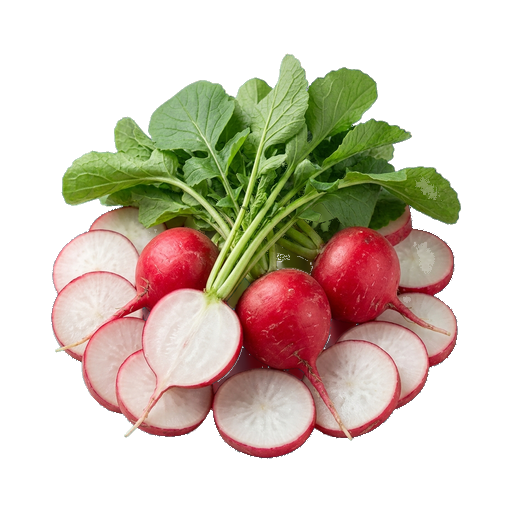
Radish
Radish is a sharp root vegetable with dense flesh and thin skin, available year-round. Its pungent, piquant flavor with mustard notes unfolds beautifully in fresh salads, appetizers, and as a side to heavy dishes — radish aids digestion and stimulates appetite. When selecting, look for firm root vegetables without soft spots, and before using, trim the top and tail, as they may be more bitter than the main part.
About
Radish is one of the most underrated root vegetables in our kitchen. Its sharp, slightly bitter taste and dense crunchy flesh make it an ideal ingredient for those seeking bright, striking flavor sensations. Radish requires no complex preparation and stores longer than most vegetables, making it a reliable culinary helper.
Taste and Aroma
Radish smells of freshness and earth, with a subtle mustard note. It tastes sharp, sometimes even peppery — this bitterness comes from essential oils and mustard glycosides. Young radish is softer and more tender than mature radish, so if you're cooking this vegetable for the first time, choose smaller specimens. When cooked, radish loses its sharpness and becomes more tender, while raw it retains all its character.
Where radish reveals itself best
Raw radish is a star of appetizers and salads. Cut it into thin strips, salt it, add oil and a little acidity (lemon juice, vinegar) — and you'll get a sharp, invigorating appetizer. Radish goes well with young potatoes, herring, and sauerkraut. Its pungency is softened by sour cream and butter, so radish works perfectly in salads with creamy dressings.
Boiled radish loses its pungency and becomes milder — it can be added to soups, stewed with meat, or prepared as a side dish. During heat treatment, it absorbs the flavors of neighboring ingredients and pairs well with beef, pork, and poultry. Young radish with greens can be used whole: the greens go into soup or as a side dish, while the root vegetable goes into the main course.
Successful combinations
- With dairy products: sour cream, butter, cottage cheese soften the sharpness
- With acid: vinegar, lemon juice, fermented vegetables emphasize the piquancy
- With meat: radish is good as a side dish for fatty meat, aids digestion
- With herbs: dill, parsley, horseradish, mustard enhance the sharp profile
- With potatoes: a classic combination, radish gives potatoes character
Selection and Storage
Choose radishes that are firm and free from soft spots and damage. The root vegetable should feel heavy for its size — this is a sign of juiciness. If the radish is very large, it may be fibrous and bitter inside. Use young radishes with green tops first, and mature ones can be stored for a long time.
Radish is stored in the refrigerator vegetable compartment for 2–3 weeks if the tops are trimmed. In a cool basement or cellar with 85–90% humidity, radish keeps for months. Before storage, do not wash the radish, just clean it from soil with a soft brush. Keep sliced radish in an airtight container with a small amount of moisture — this way it won't dry out or absorb odors from other vegetables.
Practical tip
If radish seems too sharp to you, soak shredded radish in cold salted water for 15–20 minutes — some of the bitterness will disappear while the crunch remains. For salads, slice radish thinly and immediately before serving so it doesn't lose juice or oxidize. And remember: radish is an excellent aid for digestion, so it's especially appropriate alongside heavy, fatty foods.
Nutrition
per 100 g
- Calories
- 20 kcal
- Protein
- 1.2 g
- Fat
- 0.1 g
- Carbs
- 4.1 g
Measures and weight
- 1 pcs
- 100 g
Measure calculator
- Weight
- 100 g
- Calories
- 20 kcal