Usuba
Usuba
Raspberry jam
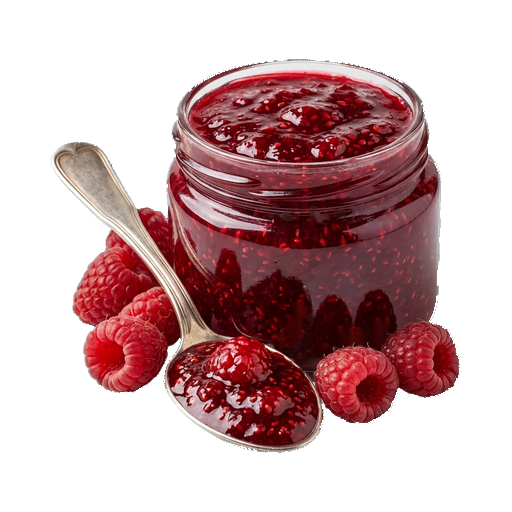
Raspberry jam is a preserved berry preparation with a thick, homogeneous consistency and rich sweet flavor with a subtle tartness. It is used as a standalone dessert with tea, added to baked goods, yogurts, cottage cheese, and serves as a base for sauces for meat dishes. When selecting, pay attention to the color — quality jam has a deep ruby hue. When substituting with fresh raspberries or other berry jams, keep in mind that jam is sweeter and less acidic, so sugar adjustment in the recipe may be necessary.
About
Raspberry jam is one of the most versatile preparations in the kitchen. It's not just a sweet addition to tea, but a full-fledged ingredient that works in desserts, sauces, fillings, and even in savory dishes. Quality jam preserves the characteristic berry aroma and delicate consistency, which makes it ideal for a wide variety of uses.
Aroma and flavor
Raspberry in jam imparts a recognizable sweet taste with a subtle tanginess that prevents the dish from becoming cloying. The aroma of jam is more intense than that of fresh berries — this is the result of prolonged cooking, when volatile compounds become concentrated. Good jam smells distinctly of raspberry, without any off-odors, rather than sugar or preservatives.
Where to use
- Filling for pies, buns and croissants — jam holds its shape and doesn't leak during baking
- Glaze for cakes and pastries — a thin layer of jam creates shine and holds cream layers
- Sauce for ice cream, yogurt and cottage cheese — adds sweetness and berry flavor
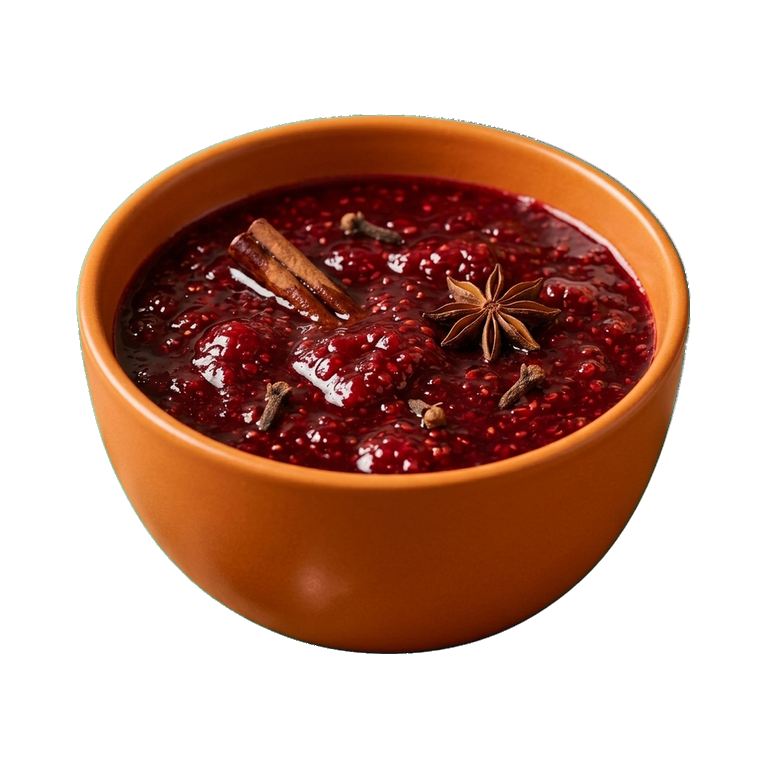
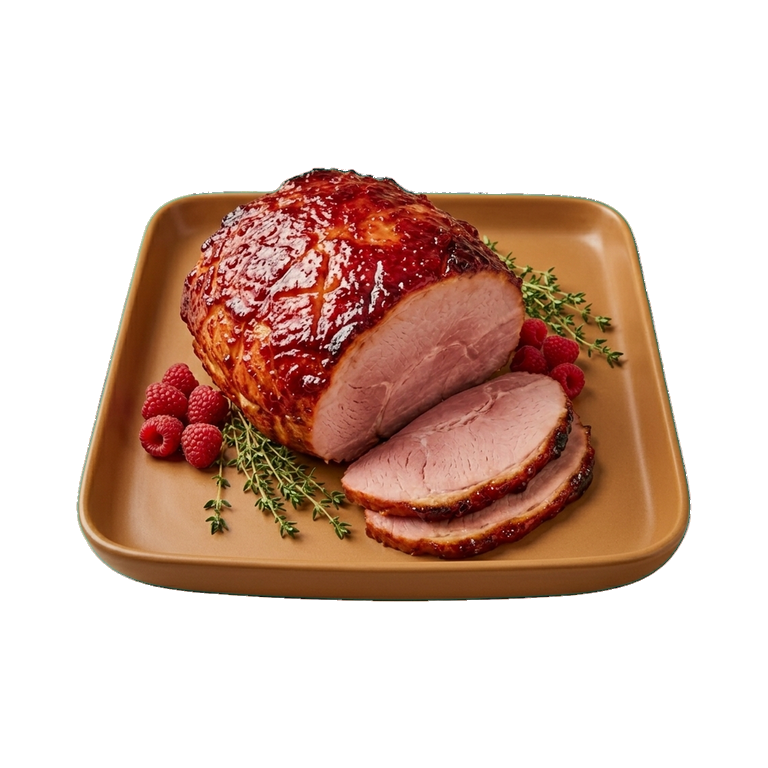
- Base for marinade for meat and poultry — acidity and sweetness create a complex flavor profile
- Sweetening and flavoring for compotes, fruit drinks and cocktails
How to Choose and Store
When choosing jam, pay attention to the consistency — it should be uniform, without separation or sugar crystallization. The color of jam varies from light pink to deep burgundy depending on the raspberry variety and cooking time. The darker the jam, the longer it was cooked and the more concentrated its flavor. Open the jar before purchasing, if possible — the smell should be fresh and berry-like.
- Hermetically sealed jam is stored in a cool dark place for up to 2 years
- After opening the jar, place the jam in the refrigerator — storage time is reduced to 3–4 weeks
- If mold appears on the surface of the jam, discard the entire jar — this is a sign of compromised seal
Practical Tips
If the jam is too thick and doesn't spread well, warm it slightly in a water bath — it will become more fluid. For pie fillings, choose jam with a denser consistency so it doesn't leak out. If you're making a sauce, dilute the jam with water or juice to the desired consistency. Remember that jam contains a lot of sugar, so when using it in sweet dishes, reduce the amount of sugar in the recipe itself.
Nutrition
per 100 g
- Calories
- 273 kcal
- Protein
- 0.3 g
- Fat
- 0.1 g
- Carbs
- 72 g
Measures and weight
- 1 tbsp
- 19.5 g
- 1 tsp
- 6.5 g
- 1 cup
- 325 g
Measure calculator
- Weight
- 100 g
- Calories
- 273 kcal