Usuba
Usuba
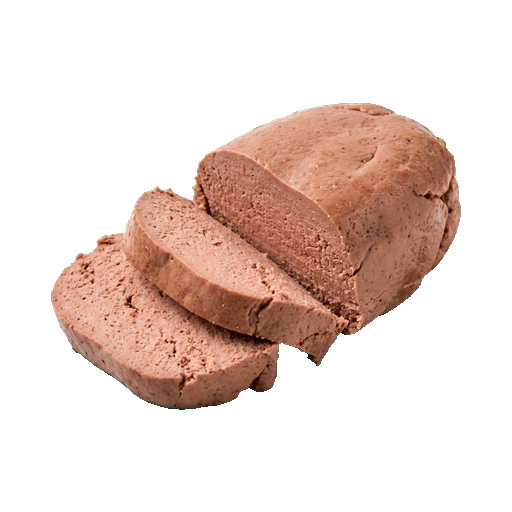
Pâté
Pâté is a paste made from finely ground or pureed meat, liver, fish, or vegetables mixed with fat, spices, and binding agents. It serves as a standalone appetizer, a spread for bread or toast, and is also used as a filling for pies and as a base for sauces. When choosing pâté, it is important to pay attention to the ingredients and expiration date, and when preparing it at home — to proper heat treatment and cooling to achieve the desired consistency.
About
What is pâté and why is it needed in the kitchen
Pâté is a homogeneous mass made from meat, liver, offal, or vegetables that has been brought to a creamy consistency. Its main advantage is that it is ready to eat: spread it on bread, add it to a sauce, or use it as a filling — and your dish is ready. Pâté saves time and allows you to quickly prepare an appetizer or a complement to your main course without lengthy preparation.
You can find various types of pâtés in stores: meat pâtés (made from beef, pork, poultry), liver pâtés (the densest and most flavorful), fish pâtés, and vegetable pâtés. Each type has its own character: meat pâtés are versatile, liver pâtés are more expressive, fish pâtés are delicate, and vegetable pâtés are light and suitable for meatless menus.
Taste and Aroma
Pâté coats the tongue with softness and leaves a long aftertaste. Meat varieties offer a deep, slightly salty flavor with spicy notes. Liver pâtés are more intense — their ferrous, somewhat astringent character requires contrast: sour marinade, sharp sauce, or fresh bread. Fish pâtés are more delicate, with a subtle aroma. Vegetable pâtés are often seasoned with herbs and garlic, so they sound brighter.
How to use in dishes
- Spread on bread, crackers or toast — a classic way for a snack or sandwich
- Filling for pancakes, omelets or pies — adds substance and flavor
- Base for sauce — dilute the pâté with cream, broth or butter to make a gravy for meat or vegetables
- Layer in multi-layered appetizers and salads — pâté works as a binding element
- Addition to soups — a spoonful of pâté in a bowl enriches the broth
What pairs with
Pâté loves acidity and freshness. Pickled vegetables, mustard, hot sauces, fresh herbs, and lemon juice balance its richness. Meat pâtés go well with dark bread and red wine, liver pâtés with cognac or port wine. Fish pâtés pair nicely with white wine, dill, and capers. Vegetable pâtés are versatile: they can be served with any vegetables and even fruits.
How to choose and store
When choosing, pay attention to the composition: the less starch and thickeners, the better. The consistency should be uniform, without separation. The smell should be fresh, without rancidity. If the pâté is bought in a jar, check the integrity of the packaging and the production date.
- Closed pâté is stored in the refrigerator for 3–5 days, depending on the type
- Transfer an opened jar to a glass container and cover with a lid — this way the pâté won't absorb foreign odors
- Pâté can be frozen for 2–3 months, but the consistency may change
- Before serving, let the pâté warm up slightly at room temperature to bring out the flavor
Nutrition
per 100 g
- Calories
- 320 kcal
- Protein
- 12.5 g
- Fat
- 28 g
Measure calculator
- Weight
- 100 g
- Calories
- 320 kcal