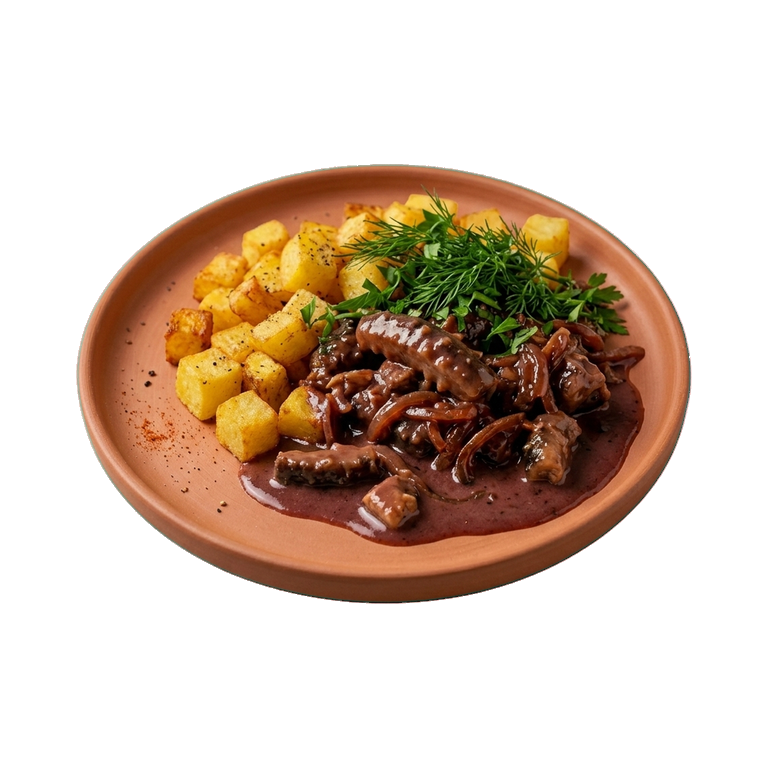
Usuba
Usuba
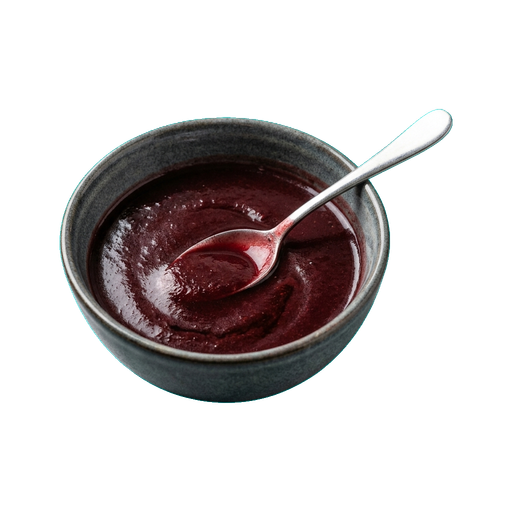
Red wine sauce
Red wine sauce is a classic French sauce made from red wine, created by reducing wine with meat broth, vegetables, and herbs. The sauce has a rich, slightly tannic flavor with deep fruity notes and serves as an ideal complement to red meat, game, and some fish dishes. When preparing it, it is important to use high-quality wine and reduce the sauce for a sufficient time so that the alcohol completely evaporates, resulting in a concentrated and harmonious flavor.
About
Red wine sauce is one of the most versatile kitchen helpers that transforms a simple meat dish into a restaurant-quality meal. The base of the sauce is simple: red wine, beef broth, and a little patience. But the result is deep, layered, and so delicious that you'll want to dip bread in it. This sauce works with beef, venison, duck, and even mushroom dishes — it finds its place everywhere.
Taste and aroma
Red wine sauce gives a dish a tangy quality and subtle acidity that awakens the taste buds. Wine loses its alcohol content during cooking, but retains its character — fruity notes, sometimes with a hint of oak barrel if you use aged wine. The aroma of the sauce evokes French cuisine: there is both pleasant bitterness and sweetness, and complexity brought by reduced broth and slow simmering.
Where and how to use
The classic way to serve it is with a sauce for steak, cutlet, or roast. But it's not limited to meat. Red wine sauce works well with braised vegetables, risotto, and meat pastas. Some chefs add it to mushroom bisque or use it as a base for more complex sauces. The key is that the sauce should always be moderately concentrated so as not to overpower the main dish, but to complement it.
How to Cook Properly
- Choose a wine that you're willing to drink. Cheap sour wine will ruin the sauce — it's better to take one that's moderate in price with good structure.
- Let the wine come to a boil and simmer on the heat so the alcohol evaporates completely — this will take a few minutes.
- Add beef or vegetable broth and let the sauce slowly reduce in volume by a third or half — this way it will be thick and flavorful.
- If the sauce turns out too thin, dissolve cornstarch or flour in water and add it at the end of cooking, stirring constantly.
- Don't forget about salt, pepper, and a pinch of sugar if the wine is too dry.
What pairs well
Red wine sauce loves company. It pairs well with mashed potatoes or root vegetable puree, which absorb its flavor. Add mushrooms, shallots, and garlic to the sauce — and the dish will become richer. Fresh herbs like thyme or rosemary added during cooking will give it a noble character. If you want to make the sauce creamy, add a spoonful of butter or a little cream at the end.
Preparation and Storage
Red wine sauce is easy to prepare in advance. Make it in bulk, let it cool, and store it in the refrigerator for 3–4 days or freeze it in ice cube trays — then simply thaw the amount you need. Before serving, heat the sauce over low heat, stirring. If it has thickened during storage, thin it with a small amount of broth or wine.
Nutrition
per 100 g
- Calories
- 80 kcal
- Protein
- 1 g
- Fat
- 3 g
- Carbs
- 8 g
Measures and weight
- 1 tbsp
- 15.8 g
- 1 tsp
- 5.3 g
- 1 cup
- 262.5 g
Measure calculator
- Weight
- 100 g
- Calories
- 80 kcal