Usuba
Usuba
Sweet rice wine
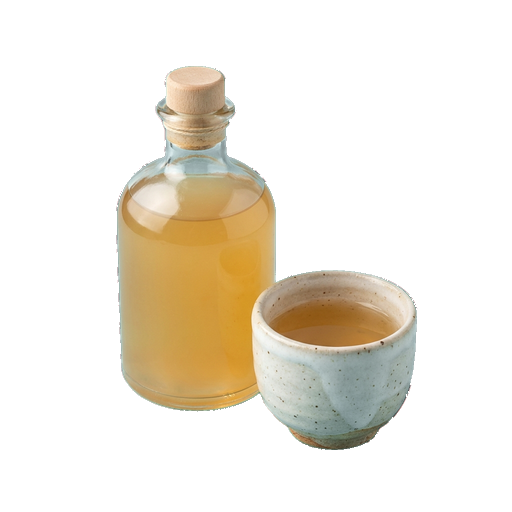
Sweet rice wine is a traditional beverage with a soft, delicate flavor and floral notes, obtained through fermentation of rice grains. In cooking, it is used for marinades, sauces and glazes, as well as a component of Asian dishes, where it adds depth and sweetness without a sharp alcoholic aftertaste. When selecting, it is important to pay attention to sugar content and strength — sweeter versions are better suited for desserts and sauces, while less sweet varieties work well for marinades and meat dishes.
About
Sweet rice wine is not just a beverage, but a tool for creating depth of flavor in a dish. It works where ordinary sugar seems flat: it adds roundness, softness, and a subtle bitterness all at once. In cooking, it is valued for its ability to enhance the natural aromas of ingredients rather than overpower them.
Aroma and Taste
This wine smells of sweet rice, caramel, and floral notes — as if it carries the aroma of a rice field after rain. On the palate, it's rich and honeyed, with a light acidity in the finish. The sweetness here is not cloying, but rather enveloping, which makes it versatile in cooking.
Role in dishes
Sweet rice wine works in two ways: either as a finishing touch for dishes requiring delicacy, or as a key component in marinades and sauces. A few spoonfuls in a marinade for meat or fish — and they become softer, more aromatic. In desserts, the wine unfolds differently: it emphasizes fruity notes and makes creams airier.
- Meat marinades and glazes — wine softens fibers and gives the dish a glazed appearance
- Fish and seafood — a few drops before serving enhance the sea aroma
- Vegetable side dishes — wine helps reveal the sweetness of carrots, sweet potatoes, pumpkin
- Sauces and gravies — base for umami-rich sauces for Asian dishes
- Desserts and compotes — delicate sweetness without chemical aftertaste
Selection and Storage
When selecting, pay attention to the color — good rice wine has an amber or golden hue, not cloudy or too dark. The aroma should be clean, without mustiness. Store wine in a cool place, away from direct sunlight; keep an open bottle in the refrigerator and use it within a month. If the wine has thickened or sediment has appeared — this is normal, simply pour it into another container.
Tip: if a recipe calls for rice wine and you don't have any on hand, mix honey with rice vinegar in a 3:1 ratio — this will create a substitute with a similar function, although the taste will be slightly different.
Nutrition
per 100 ml
- Calories
- 160 kcal
- Protein
- 0.1 g
- Fat
- 0 g
- Carbs
- 18 g
Measures and weight
- 1 tbsp
- 15.3 g
- 1 tsp
- 5.1 g
- 1 cup
- 255 g
Measure calculator
- Weight
- 100 g
- Calories
- 157 kcal