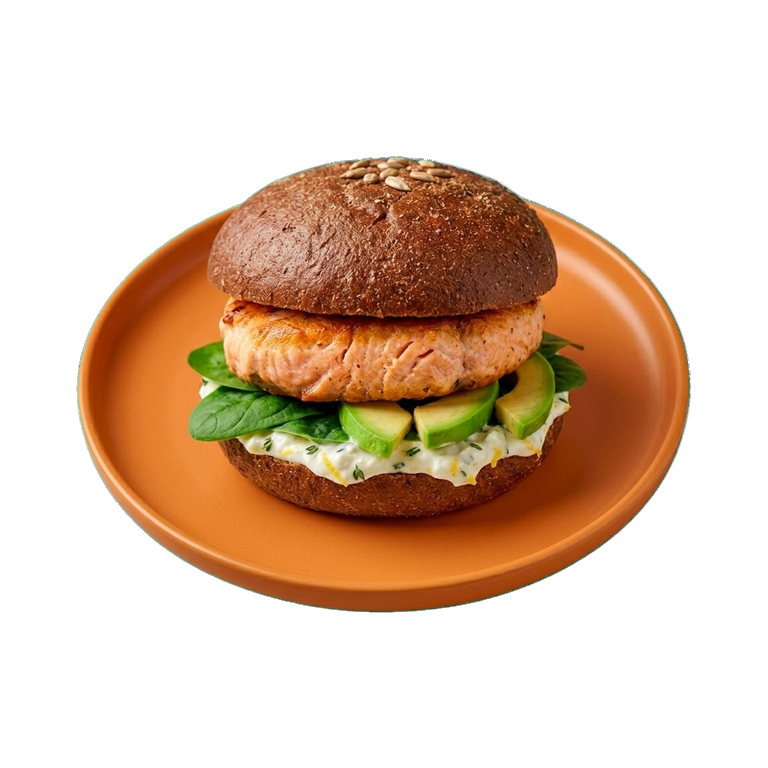
Usuba
Usuba
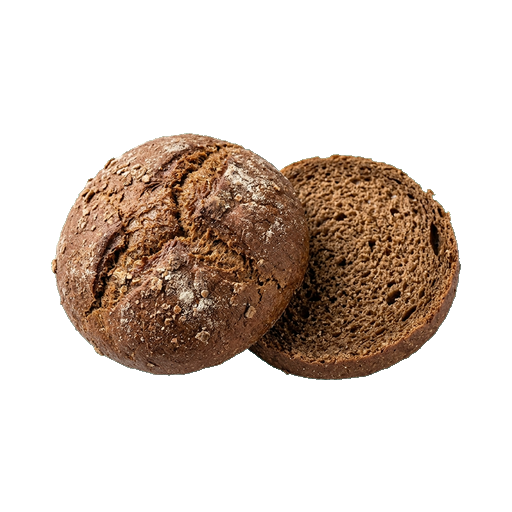
Rye roll
Rye roll is a baked good made from rye flour or a blend of rye and wheat flour, characterized by its distinctive dark color and dense, slightly moist crumb. It has a rich, slightly tangy flavor with nutty notes that pairs well with butter, cheese, sausage, and fish. It is used as a standalone bread for breakfast or lunch, and also serves as a base for open-faced sandwiches and appetizers.
About
A rye roll is not just bread, but a full-fledged ingredient that changes the flavor profile of a dish. Its dense crumb with a characteristic tartness, slightly sweet aftertaste, and dark color make it recognizable on the table. Unlike wheat alternatives, a rye roll holds its shape better, doesn't crumble when sliced, and stays fresh longer.
Aroma and Taste
Rye bun has a deep, slightly tangy flavor with nutty notes. This is the result of natural fermentation and the characteristics of rye as a grain. The aroma is rich, but not sharp — rather cozy and homely. When fresh, the bun smells of malt and bread; with storage, the smell becomes more intense.
Role in dishes
- Base for sandwiches — especially good with butter, cheese and smoked meats
- Breading for cutlets and fish — dry rye bun gives a golden crust
- Component for breadcrumbs in forcemeat — adds moisture and binds ingredients
- Garnish for soups and borscht — a slice emphasizes the tangy flavor of the dish
- Base for appetizers — canapés with pâté, fish or vegetables
Pairings and Harmonies
Rye bun pairs well with salty and smoked foods — ham, sausage, smoked fish reveal themselves in a new light against its backdrop. Fermented dairy products — cottage cheese, sour cream, kefir — create a harmonious duo thanks to their similar tangy notes. Fresh herbs, especially dill and parsley, emphasize its earthy character. With sharp seasonings — mustard, horseradish — the bun acts as a neutral anchor, not competing but supporting.
Selection and Storage
- Freshness is determined by elasticity — the bun should not be hard, but should not deform under light pressure
- The color should be uniform, dark brown, without light spots or mold
- Smell is a sign of quality; a sour but pleasant aroma indicates proper fermentation
- Store at room temperature in a cloth bag or paper — not in plastic, to prevent moisture buildup
- In the freezer, rye buns keep for up to a month without loss of quality
- Stale buns are easy to revive in an oven at 180 °C for 5–7 minutes or use for breading and breadcrumbs
Rye bun — a product that works in the kitchen as a universal helper. It doesn't require special storage conditions, stays fresh for a long time, and never disappoints in the finished dish.
Nutrition
per 100 g
- Calories
- 250 kcal
- Protein
- 8 g
- Fat
- 2 g
- Carbs
- 50 g
Measures and weight
- 1 pcs
- 60 g
Measure calculator
- Weight
- 100 g
- Calories
- 250 kcal