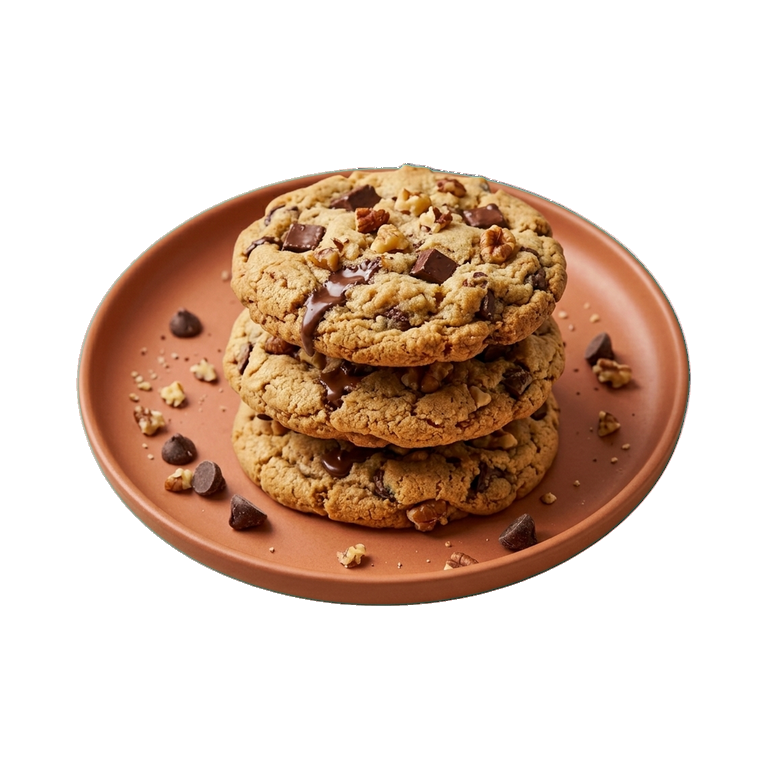
Usuba
Usuba
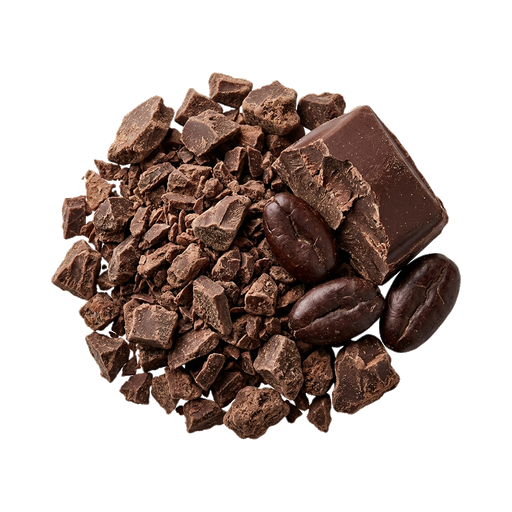
Chocolate chips
Small pieces of chocolate obtained through grinding or specialized production, used to decorate and enhance the flavor of confectionery, ice cream, and beverages. Chocolate chips can be made from dark, milk, or white chocolate with a characteristic sweet taste and crispy texture that remains intact even when mixed with soft bases. When choosing, pay attention to particle size — larger chips hold their shape better in baked goods, while smaller chips distribute more evenly throughout dough and fillings.
About
Chocolate chips are one of the most versatile ingredients in the kitchen. They are not just a decoration, but a full-fledged component that adds depth of flavor and texture to desserts, beverages, and even breakfast dishes. Chocolate chips are great because they require no processing: open the package, sprinkle, and you're done. They melt on your tongue if you choose a quality product, or they crunch if they are larger pieces. It all depends on how you use them.
Taste and Texture
The flavor profile of chocolate chips depends on cocoa content. Dark chips provide bitter, almost coffee-like notes — these work well in baked goods where contrast is needed. Milk chocolate chips are softer, sweeter, and perfect for children's desserts and for those who prefer a delicate chocolate flavor. White chocolate chips are essentially cocoa butter with sugar, without cocoa solids, so they deliver a pure sweet taste without bitterness.
Crumble varies in size: fine (topping mix) and larger (for structure in dough). Fine crumble adheres better to moist surfaces — glazes, buttercream, whipped cream. Larger crumble holds its shape in cookies and cupcakes, not dissolving completely during baking.
Where and how to use it
- In cookie, cupcake and muffin dough — creates chocolate pockets and texture
- Topping for cakes, tarts and cupcakes — decorates and adds a flavor layer
- In ice cream and yogurt — creates a contrast of temperatures and textures
- In a hot drink — dissolves and enriches cocoa or milk
- In breading for fruits or cheese — an unexpected but effective technique
Pairings and Tips
Chocolate chips pair well with nuts — almonds, hazelnuts, and walnuts. Together they create a complete flavor profile. With fruits, it works on the principle of contrast: raspberries and cherries emphasize the bitterness of dark chips, while bananas and pears soften the milk chocolate flavor. Vanilla, cinnamon, and sea salt enhance the chocolate taste without overpowering it.
Selection and Storage
When choosing, look at the composition: the less vegetable oils instead of cocoa butter, the better. Good cocoa nibs should not be sticky or clumped together. If you see a white coating — this is not mold, but "bloom" on chocolate due to improper storage, the taste hasn't deteriorated, but the texture may be brittle.
- Store in an airtight container at room temperature, away from moisture and heat
- Avoid direct sunlight — it accelerates fat oxidation
- In the refrigerator, crumbs may absorb odors from neighboring products
- Shelf life — usually 6–12 months, check the date on the package
Chocolate chips are an ingredient that always comes in handy when you need to quickly improve the taste of a simple dessert or add a final touch to a complex one. They are versatile, practical, and don't require special skills. The main thing is to choose quality ones and know when to use them for maximum effect.
Nutrition
per 100 g
- Calories
- 530 kcal
- Protein
- 5 g
- Fat
- 30 g
- Carbs
- 60 g
Measures and weight
- 1 tbsp
- 9 g
- 1 tsp
- 3 g
- 1 cup
- 150 g
Measure calculator
- Weight
- 100 g
- Calories
- 530 kcal