Usuba
Usuba
Sichuan pepper
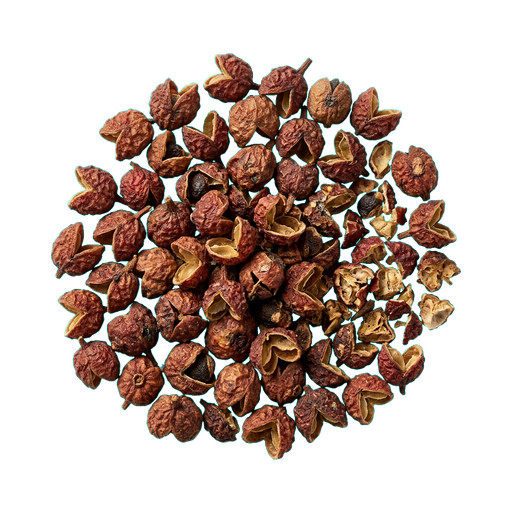
Sichuan pepper is a berry from a shrub with a sharp, slightly citrusy flavor and a characteristic tingling sensation on the tongue due to the content of hydroxy-alpha-sanshool. In Asian cuisine, it is used as a key component in spice blends, added to marinades and sauces, giving dishes a distinctive spiciness and mild numbness of the mucous membrane. When selecting, pay attention to the bright reddish-brown color and the integrity of the berries — fresh pepper has a more pronounced aroma than stale.
About
What is Sichuan pepper and what makes it special
Sichuan pepper is not quite a pepper in the conventional sense. It is the dried fruit of the prickly ash, and its flavor is completely different. Instead of sharp heat, you will experience a strange numbness on your tongue, as if it were slightly frozen. The local population calls this sensation "má lá" — simultaneously numbness and heat. It is this property that makes the spice so recognizable and indispensable in Asian cuisine.
Aroma and Flavor Profile
The aroma of Sichuan pepper is fresh and slightly floral, with lemon notes. When you crush the berries in your hands, the aroma becomes more pronounced and peppery. To the taste, the pepper first gives a light fruity sweetness, then comes a characteristic numbness that lasts several minutes. It is neither pain nor a burn — rather, a pleasant tingling sensation that heightens the perception of other flavors in the dish.
How to use in cooking
Sichuan pepper reveals its full potential when lightly toasted in a dry pan before use. This intensifies its aroma. Then the pepper is either added as whole peppercorns to the dish or ground into powder. Whole peppercorns work well in soups, stewed dishes, and marinades — they provide a surprising sensation with each bite. Ground pepper distributes more evenly in sauces, ground meat fillings, and spice blends.
Pairs with
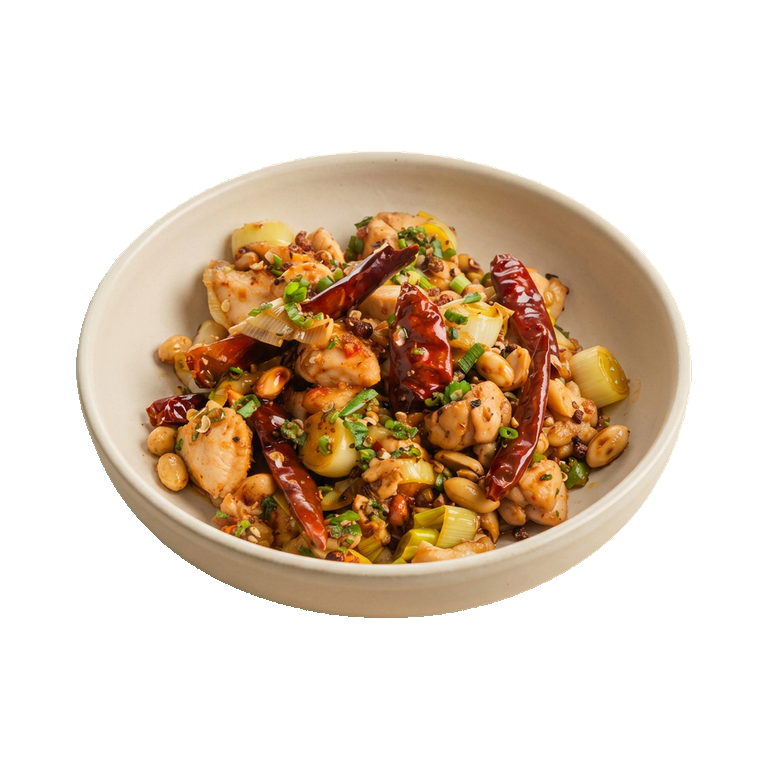
- Meat: beef, chicken and duck appreciate the sharp tingling, especially in fried dishes
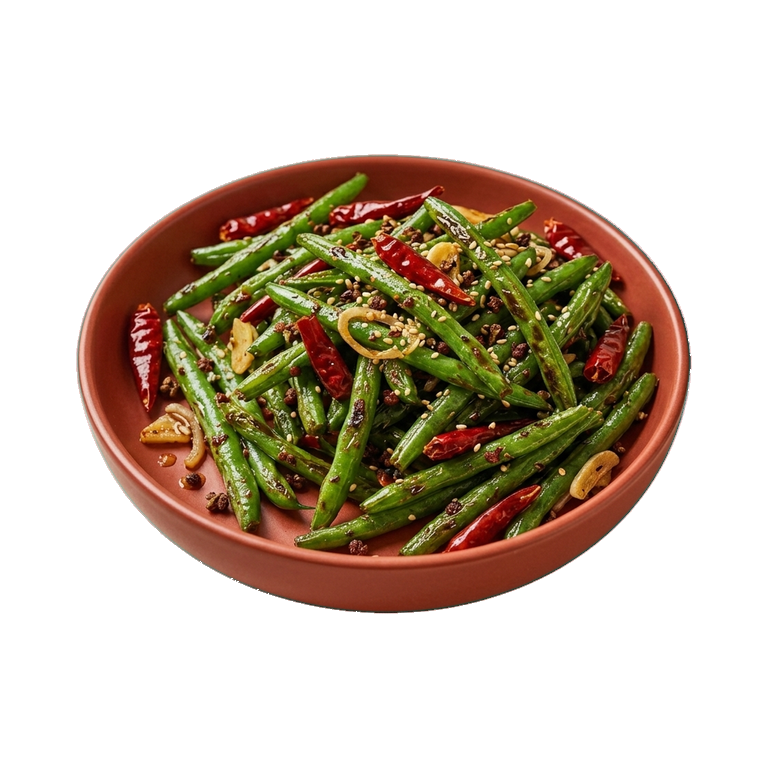
- Vegetables: eggplant, sweet pepper, carrot and celery acquire a new dimension
- Seafood: shrimp and fish work well with the lemon notes of the spice
- Oils and sauces: sesame oil, soy sauce and vinegar — ideal companions
- Herbs: ginger, garlic, coriander and star anise enhance the spicy profile
Selection and Storage
When choosing, pay attention to the color: good Sichuan pepper has a reddish-brown hue. The grains should be whole, without dust or foreign impurities. Smell it — the aroma should be fresh and pleasant, not musty. Avoid finely ground powder: it loses its aroma quickly and may contain impurities.
Store Sichuan pepper in an airtight glass or tin container in a dark, cool place, away from light and moisture. Whole peppercorns retain their properties for up to two years, ground pepper for about a year. If the pepper begins to lose its aroma, you can lightly heat it in a dry pan to revive it. Do not place the spice near strongly scented products — it easily absorbs foreign odors.
Tip for experienced cooks
Try making your own spice blend based on Sichuan pepper. Mix ground pepper with salt, dried ginger, and a pinch of black pepper — you'll get a versatile seasoning for fried dishes. Or add it to black tea for an unusual drink with a subtle spicy flavor. The main thing is not to overdo it: the numbing sensation should be pleasant, not overwhelming.
Nutrition
per 100 g
- Calories
- 398 kcal
- Protein
- 10.2 g
- Fat
- 49 g
- Carbs
- 27.3 g
Measures and weight
- 1 tbsp
- 9 g
- 1 tsp
- 3 g
- 1 cup
- 150 g
Measure calculator
- Weight
- 100 g
- Calories
- 398 kcal