Usuba
Usuba
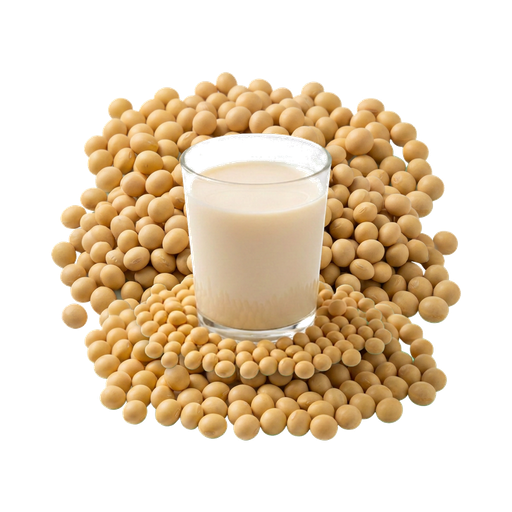
Soy milk
Soy milk is a beverage made from soybeans, produced by grinding and boiling the beans with water. Thanks to its neutral, slightly nutty flavor and creamy consistency, it works well for baking, coffee, and porridges, and serves as an alternative to cow's milk in vegan and vegetarian cooking. When choosing, pay attention to the added sugar content and the presence of calcium and vitamin fortification, as natural soy milk contains less of these nutrients than dairy milk.
About
Soy milk is not milk in the classical sense, but a beverage made from ground soy beans and water. It is valued by those who avoid animal products, suffer from lactose intolerance, or simply seek an alternative to cow's milk. In cooking, it works almost everywhere you need a liquid with a neutral flavor and creamy consistency.
Taste and Aroma
The taste of soy milk is mild, slightly nutty, sometimes with a barely perceptible bitterness. A quality product should not have a strong raw soy smell; this is a sign of poor processing. Many manufacturers add vanilla, sugar, or caramel to make the drink more appealing to those accustomed to the sweetness of cow's milk. Unsweetened versions are better suited for cooking — they won't overpower the flavor of the main dish.
How to use in the kitchen
In beverages, soy milk works well in coffee, tea, smoothies, and milkshakes. It froths less than cow's milk, but some brands are specially enriched for this. In baking, you can use it one-to-one as a substitute for regular milk — the result will be slightly less fluffy, but quite acceptable. It's also suitable for porridges, omelets, sauces, and soups, though the consistency will be slightly thinner.
- Cold drinks and smoothies — use any soy milk
- Hot coffee and cocoa — choose versions with additives or special for frothing
- Baking and desserts — better unsweetened to control sugar
- Porridges and side dishes — unsweetened milk won't compete with the main dish
Selection and Storage
When shopping, pay attention to the ingredient list — the fewer additives, the better. Good soy milk contains soy, water, and a little salt; everything else is marketing. If the drink separates or has a strange smell, it's a sign of poor quality or improper storage conditions.
An unopened package or bottle should be stored in a cool, dark place according to the date indicated on the packaging. After opening, soy milk spoils quickly — usually within 3–5 days in the refrigerator. It can be frozen, but the consistency will change, so it's better to use thawed milk for cooking rather than drinking. Shake the package before use — sediment is normal.
What pairs with
- Coffee and cocoa — a classic combination
- Cereals — oatmeal, rice, buckwheat
- Cookies, cupcakes, pancakes — in the dough and for serving
- Fruits and berries — in smoothies and desserts
- Spices — cinnamon, vanilla, cardamom will enhance the flavor
Soy milk is a practical choice for diverse cuisine. It doesn't require special skills and fits well into everyday dishes. The main thing is to find a brand that you like and not be afraid to experiment.
Nutrition
per 100 ml
- Calories
- 54 kcal
- Protein
- 3.3 g
- Fat
- 2 g
- Carbs
- 1.9 g
Measures and weight
- 1 tbsp
- 15.2 g
- 1 tsp
- 5 g
- 1 cup
- 252.5 g
Measure calculator
- Weight
- 100 g
- Calories
- 53 kcal