Usuba
Usuba
Dill flowers
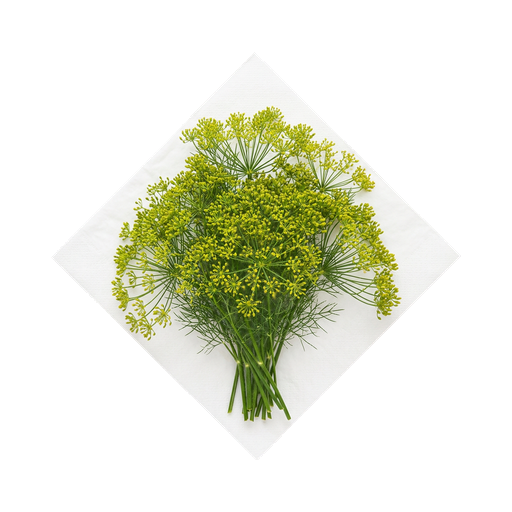
Dill flowers are umbrella-shaped floral heads of the plant with a delicate, slightly sweet aroma and refined flavor, milder than the leaves. They are primarily used for pickling vegetables, marinating, and preserving, where they add a tangy note and help maintain crispness. When selecting, prefer yellow-green flower heads without darkening, and store them best in the refrigerator or dry them for use throughout the year.
About
Dill umbels are umbrella-shaped flower heads that appear on the plant before seed formation. Unlike the familiar green fronds, they have a more concentrated flavor and aroma, and their texture allows for new culinary applications.
Aroma and taste
Dill florets have a more intense aroma than leaves. They have an anise sweetness, a slight bitterness, and a sharp spiciness. The taste is more complex: first comes a herbal freshness, then subtle spicy notes appear. If you try individual flowers, they crunch and have a slightly astringent quality.
How to use in dishes
Dill flowers work in three ways: as decoration, as an ingredient, and as a flavoring. Whole heads look beautiful on a plate and catch the eye, but they are far more than just decoration — they add flavor and texture.
- Sprinkle the florets over finished dishes — fish, vegetable salads, soups, creamy sauces
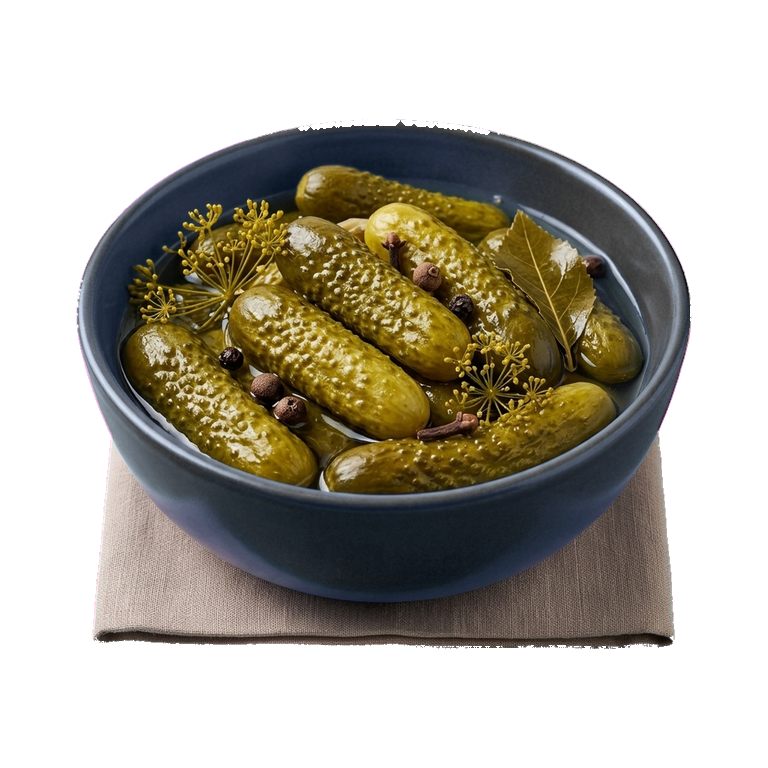
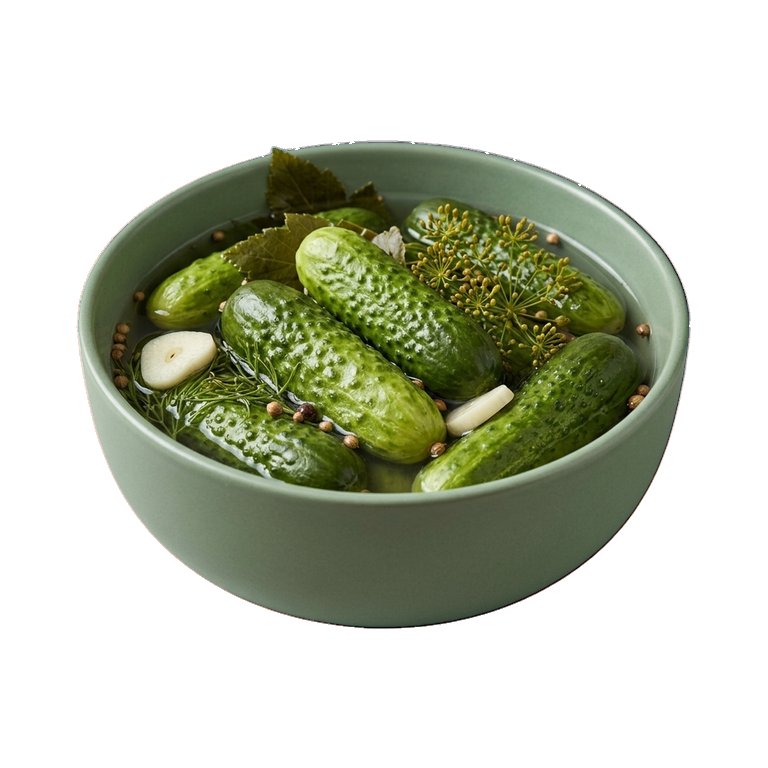
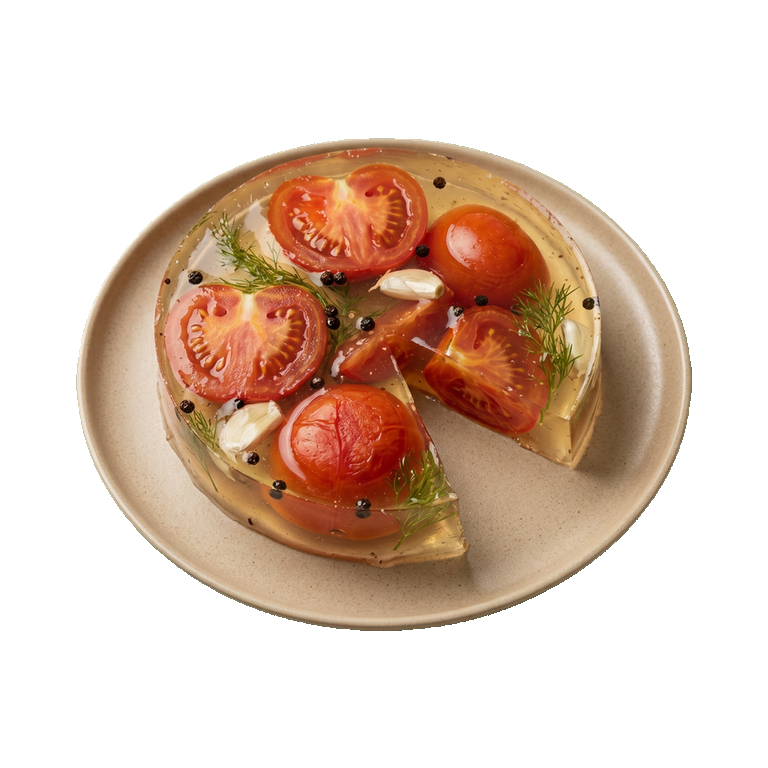
- Add to marinades for cucumbers, tomatoes, and other vegetables — the aroma will be brighter than from leaves
- Use when salting fish or meat for a piquant flavor
- Drop into hot broth a minute before serving to release the aroma
- Dry and add to spice blends or herbal teas
Pairs well with
Dill flowers pair well with fish, seafood, and dairy products. Their sharp spiciness balances the richness of butter and sour cream. On the vegetable side, they work with potatoes, carrots, fresh tomatoes, and cucumbers. They combine interestingly with lemon, black pepper, and salt.
Selection and Storage
Fresh florets should be dense, green or slightly yellow, without darkening and soft spots. The smell should be fresh and fragrant, without mustiness. If the florets have started to brown or smell musty, they are no longer in good condition.
- Keep fresh florets in the refrigerator in a paper bag or on a damp cloth — they keep for 3–5 days
- For long-term storage, dry them in a well-ventilated place away from sunlight, then place in an airtight jar
- You can freeze whole florets in a bag — they will retain their aroma for several months
- Keep dried florets in a dark place in a glass jar, they remain aromatic for up to a year
If you want maximum aroma, add the florets at the end of cooking or just before serving. With prolonged heat treatment, they lose their brightness and become slightly bitter.
Nutrition
per 100 g
- Calories
- 31 kcal
- Protein
- 2.7 g
- Fat
- 0.5 g
- Carbs
- 4.9 g
Measures and weight
- 1 pcs
- 20 g
- 1 bunch
- 25 g
- 1 sprig
- 3 g
Measure calculator
- Weight
- 100 g
- Calories
- 31 kcal