Usuba
Usuba
Soy mince
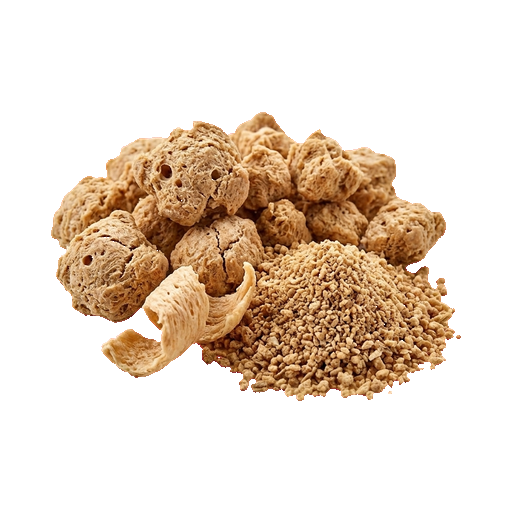
Soy mince is a plant-based substitute for ground meat, made from textured soy protein. It has a neutral taste and meaty texture, absorbs sauces and spices well, and easily adapts to different cuisines and dishes. Used in patties, stews, pie fillings, and pasta dishes, it requires pre-soaking in hot water or broth to restore texture and improve flavor absorption.
About
Soy mince is a textured vegetable protein made from soybeans. It resembles regular ground meat in texture and its ability to absorb flavors, while remaining a completely plant-based product. In cooking, it is valued for its versatility: it works equally well in soups, sauces, fillings, and hot dishes.
Taste and Texture
Soy mince is virtually tasteless in itself — this is its main advantage. It absorbs marinades, spices, and sauces, becoming whatever you add to it. When properly processed, the grains have a slightly firm, porous structure that holds its shape well and doesn't fall apart when frying or stewing.
If the filling is oversoaked in boiling water or overcooked, it becomes soft and loses its characteristic texture. The optimal soaking time is 5–10 minutes in hot water or broth. During this time, it absorbs moisture and aroma while remaining firm.
How to use in dishes
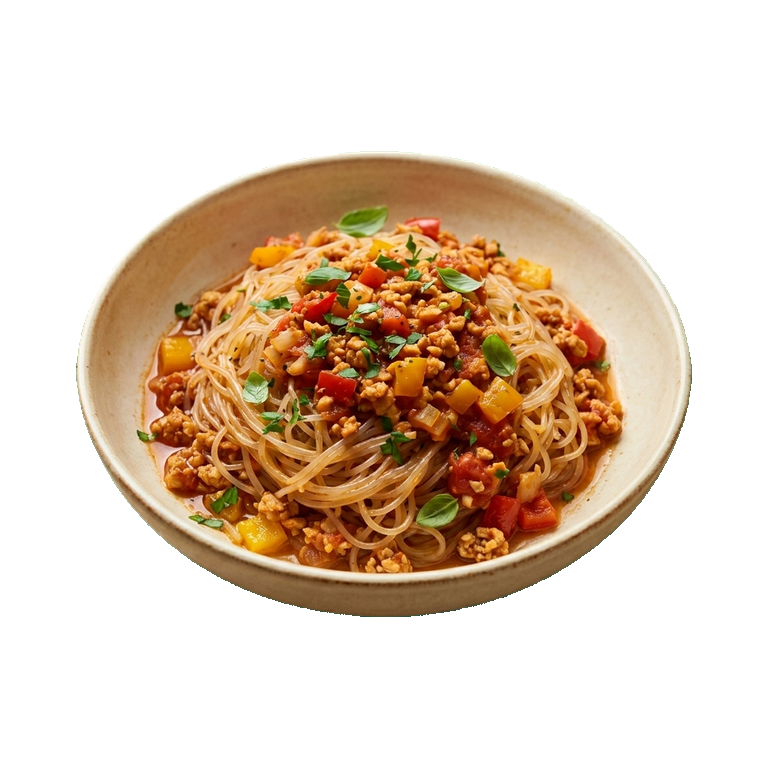
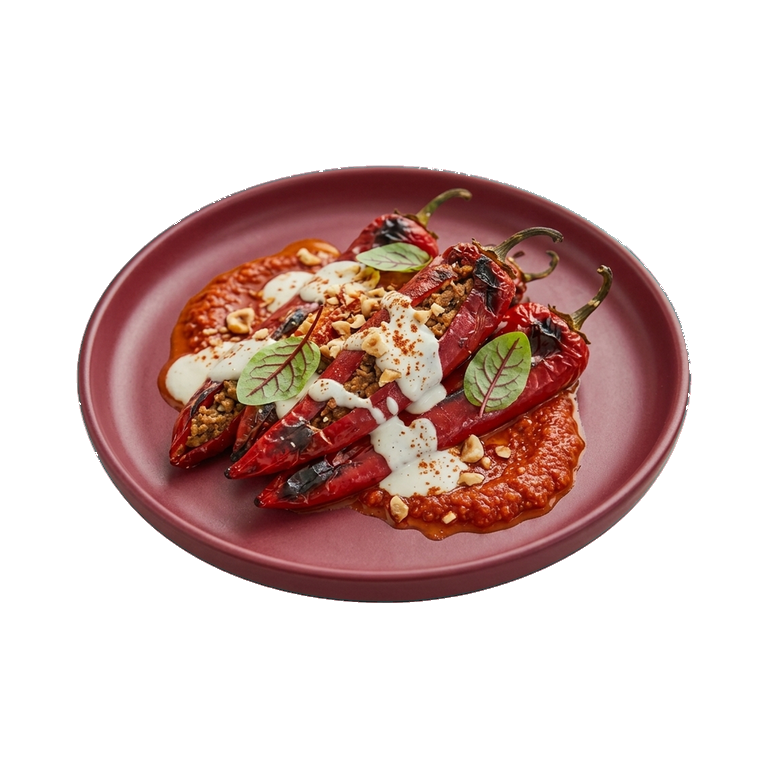
Soy mince works well everywhere you normally use meat: in bolognese, tacos, stuffed vegetables, cutlets, and pâtés. Before adding it to a dish, soak it in hot broth, tomato juice, or marinade — this will give it the necessary flavor and tenderness. Then process it like regular mince: fry it with onion and garlic, add spices.
- In soups and stews — soak in hot water, add to boiling broth in the last minutes of cooking
- In sauces and gravies — soak in the sauce to absorb the flavor
- In fillings for dumplings and pies — mix with onion, spices and a binder (egg or starch)
- In a pan — fry with oil and aromatic vegetables until lightly browned
Pairings and spices
Soy mince particularly shines with bold and aromatic spices. Cumin, paprika, black pepper, garlic, and ginger highlight its neutral flavor and add depth. Acidic components — tomato paste, vinegar, lemon juice — make the dish brighter and help the mince taste more 'meaty'.
Pairs well with onions, carrots, mushrooms, and any vegetables. For Asian dishes, add soy sauce, ginger, and cilantro. For European dishes, herbs like oregano, basil, and thyme work well.
Selection and Storage
When purchasing, check the expiration date and package integrity. Quality soy mince has a uniform light brown color, without lumps and foreign odors. If you see signs of moisture or mold — do not buy it.
Store in a dry place at room temperature in an airtight package — usually 1–2 years. After opening, transfer the remainder to a glass jar or container. Keep soaked filling in the refrigerator for no more than a day, finished dish — 3–4 days.
Soy mince is a practical kitchen helper for those who want to diversify their menu or reduce meat consumption. The main thing is not to be afraid to experiment with spices and marinades to unlock its potential in your favorite dishes.
Nutrition
per 100 g
- Calories
- 95 kcal
- Protein
- 12.3 g
- Fat
- 4.5 g
- Carbs
- 5 g
Measure calculator
- Weight
- 100 g
- Calories
- 95 kcal