Usuba
Usuba
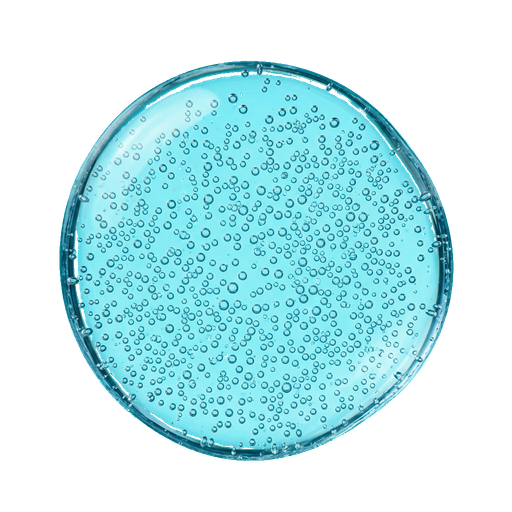
Sparkling mineral water
Carbonated mineral water contains dissolved mineral salts and carbon dioxide, which gives it a characteristic refreshing taste and light acidity. In cooking, it is used for preparing cocktails, lemonades, ice cream, and some desserts, where carbonation helps create an airy texture and enhance flavor perception. When choosing, pay attention to the mineralization level — soft waters are suitable for delicate beverages, while more saturated options add character and can influence the taste of the finished dish.
About
Carbonated mineral water is not just a beverage, but a full-fledged ingredient that changes the texture of a dish and adds lightness. Air bubbles make dough airier, cocktails more sparkling, and soups more delicate. In the kitchen, it works much more actively than it might seem at first glance.
Role in baking and beverages
Carbonated water is added to the batter not for taste, but for structure. Carbon dioxide creates micro-bubbles that remain in the batter during frying or baking. Pancakes become lacy, batter becomes crispy, and donuts become airy. Add it at the last moment before cooking so the gas doesn't have time to escape.
In cocktails and drinks, carbonated water works as a base or diluter. It dilutes strong alcoholic beverages without blurring the taste, adds freshness to fruit mixes, and creates the desired consistency. The mineral composition can emphasize or soften the notes of other ingredients — it all depends on the salinity of the water.
Selection: what to pay attention to
- Mineralization. Low-mineralized water (up to 500 mg/l) is neutral and suitable for dough. High-mineralized water will give a noticeable taste — consider if you need it in your dish.
- Carbonation level. Lightly carbonated water is softer, heavily carbonated will give more bubbles. For dough, choose more carbonated water; for drinking — to your taste.
- Release date. Gas escapes over time, even in a closed bottle. Fresh water is more effective in recipes where carbonation matters.
- Composition. Check for additives — it's better to use pure water without flavorings and sweeteners.
Storage and Practical Tips
Carbonated water loses carbon dioxide at room temperature. Store it in the refrigerator in a closed bottle — this way the gas will be preserved longer. Use an open bottle within 24 hours. If the water has lost its carbonation, it is still safe to drink, but will no longer be suitable for dough.
When cooking, add cold carbonated water — warm water will release its carbonation too quickly. If the recipe requires a specific amount, measure it right before use. For dishes where stability is important (for example, cream soup), carbonated water can be replaced with regular water if you need to avoid unpredictable texture.
Carbonated mineral water is a helper, not the main hero. Its value lies in the details: in the crispy crust, in the lightness of the dough, in the freshness of the drink. Choose water consciously depending on the task, store it properly, and remember that gas is a temporary resource. Then every bubble will work toward the result.
Nutrition
per 100 ml
- Calories
- 0 kcal
- Protein
- 0 g
- Fat
- 0 g
- Carbs
- 0 g
Measures and weight
- 1 tbsp
- 15 g
- 1 tsp
- 5 g
- 1 cup
- 250 g
Measure calculator
- Weight
- 100 g
- Calories
- 0 kcal