Usuba
Usuba
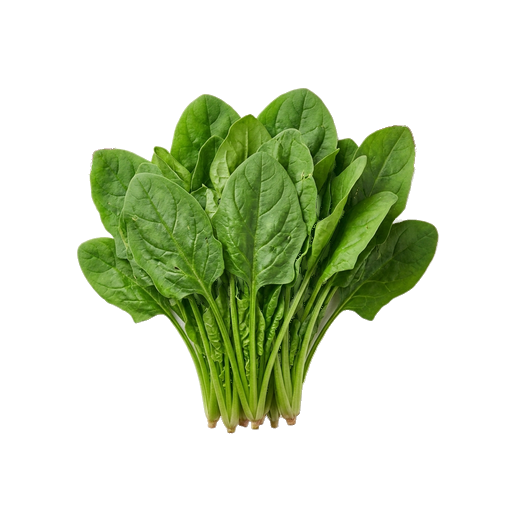
Spinach juice
Fresh spinach juice is a concentrated source of chlorophyll and iron with a herbaceous, slightly bitter taste. Used in smoothies, cocktails, and sauces to impart a vibrant green color and subtle bitterness, as well as in baking and dough for coloring. When choosing, prefer juices without additives, and when storing, keep in mind that fresh juice quickly loses its beneficial properties and requires refrigeration.
About
Spinach juice is concentrated greens in liquid form that works in both sweet drinks and savory dishes. Freshly squeezed juice has a bright green color and herbaceous taste with a slight bitterness. It oxidizes quickly in air, so it is used immediately after preparation or stored in an airtight container in the refrigerator.
Taste and Aroma
The taste of spinach juice depends on the ripeness of the leaves and the extraction method. Young spinach produces a milder, slightly sweet juice, while mature spinach produces a more pronounced juice with a characteristic bitterness and iron-like aftertaste. The aroma is fresh, herbaceous, with almost no smell when heated.
When mixed with other juices and beverages, spinach juice doesn't dominate but works as a base, enhancing the greenery and giving the drink a rich color. With acidic ingredients — lemon, orange, apple — the bitterness softens, and the juice becomes more palatable.
Role in dishes
In cooking, spinach juice is most often used as a natural dye and source of color. It colors dough, creams, sauces, and beverages in a rich green shade without the addition of artificial dyes. The amount of juice can be varied — from a few drops for a light tint to half the volume of liquid for an intense color.
- Smoothies and green drinks — main component or supplement to fruit juices
- Pasta dough, noodles and dumplings — adds color and a light vegetable flavor
- Sauces and dressings — for salads, fish and white meat
- Creams and frostings for baked goods — creates a delicate green tint
- Puree soups — added at the end of cooking to preserve color and vitamins
Pairings with other ingredients
Spinach juice works well with acidic components: lemon, lime, vinegar. They soften the bitterness and make the taste brighter. With dairy products — yogurt, sour cream, cream — the juice becomes softer and acquires a creamy note.
- Fruits: banana, apple, pear, pineapple, mango — soften herbaceous notes
- Ginger and garlic — add spiciness and depth of flavor
- Herbs: parsley, basil, mint — enhance greenness and freshness
- Nuts: pine nuts, walnuts, almonds — create creaminess in sauces
- Olive oil — base for sauces and dressings
Selection and Storage
If you're making juice yourself, choose fresh spinach without spots or wilting. Young leaves produce a more delicate juice, while mature ones produce a more concentrated and slightly bitter one. Extract the juice using a cold-press juicer or a blender with cheesecloth — this way you'll retain more vitamins and color.
Freshly squeezed juice is stored in the refrigerator for no more than a day in an airtight container. It oxidizes quickly and loses its bright color. To slow down the process, add a few drops of lemon juice. You can freeze it in ice cube trays — this makes it more convenient to add to drinks and dishes as needed.
- In the refrigerator: up to 24 hours in an airtight container
- In the freezer: up to 3 months in ice cube trays or a container
- After thawing, use immediately, do not refreeze
Practical Tips
Spinach juice stains hands and dishes — this is normal and washes off easily. For dough, use 20–30% juice relative to the volume of liquid, otherwise the dough will become too soft. In sauces, start with a small amount and add gradually to control the intensity of color and flavor.
When heated, the juice loses its bright color and becomes more muted — this is a normal process. Add it to hot dishes at the end of cooking if you want to preserve the rich green hue. For cold drinks and sauces, the juice can be used immediately after preparation.
Nutrition
per 100 ml
- Calories
- 23 kcal
- Protein
- 2.9 g
- Fat
- 0.3 g
- Carbs
- 3.6 g
Measures and weight
- 1 tbsp
- 15 g
- 1 tsp
- 5 g
- 1 cup
- 250 g
Measure calculator
- Weight
- 100 g
- Calories
- 23 kcal