Usuba
Usuba
Squid ink
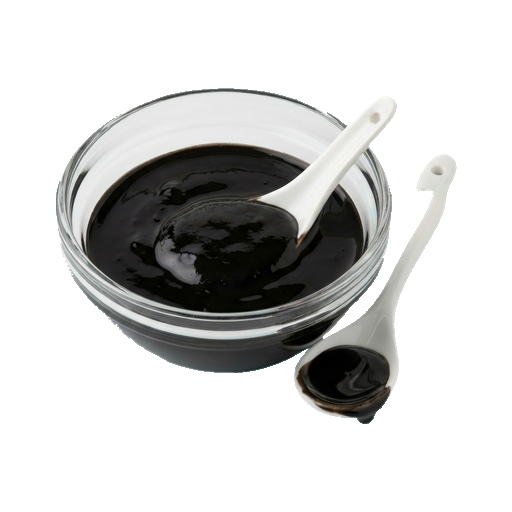
Cuttlefish ink is a black liquid secreted by a sea mollusk as a defense against predators. In cooking, it is used as a natural dye and flavoring, giving dishes a deep black color and a subtle salty, slightly metallic taste with marine notes. It is most commonly found in Italian cuisine in pasta, risotto, and seafood dishes, as well as in Spanish paella; when choosing, it is important to ensure it is a natural product without artificial additives, as quality affects both the taste and the intensity of the coloring.
About
Cuttlefish ink is a dark pigment that a marine mollusk releases as a defense against predators. In the kitchen, this substance has become a precious ingredient capable of transforming an ordinary dish into something visually and tastefully memorable. The black color and slight salty flavor make cuttlefish ink indispensable in Mediterranean cuisine, especially in Italian and Spanish traditions.
Taste and Aroma
The taste of squid ink is not about spiciness or sweetness, but rather the depth of the sea. You can sense a salty flavor, a slight bitterness, and a barely perceptible iodine note that reminds one of the ingredient's origin. It is not an overpowering taste — it works as a background chord, enhancing the overall composition of the dish rather than overshadowing other components.
The aroma is delicate, almost imperceptible — it's more of a sensation of sea air than a strong smell. It is precisely this restraint that allows the ink to harmoniously blend into various dishes without the risk of overpowering them.
Where to use
Pasta is the main canvas for ink. The classic combination with pasta creates a dish that looks dramatic and sounds intriguing. The ink colors the dough or sauce, giving them a charcoal-black hue.
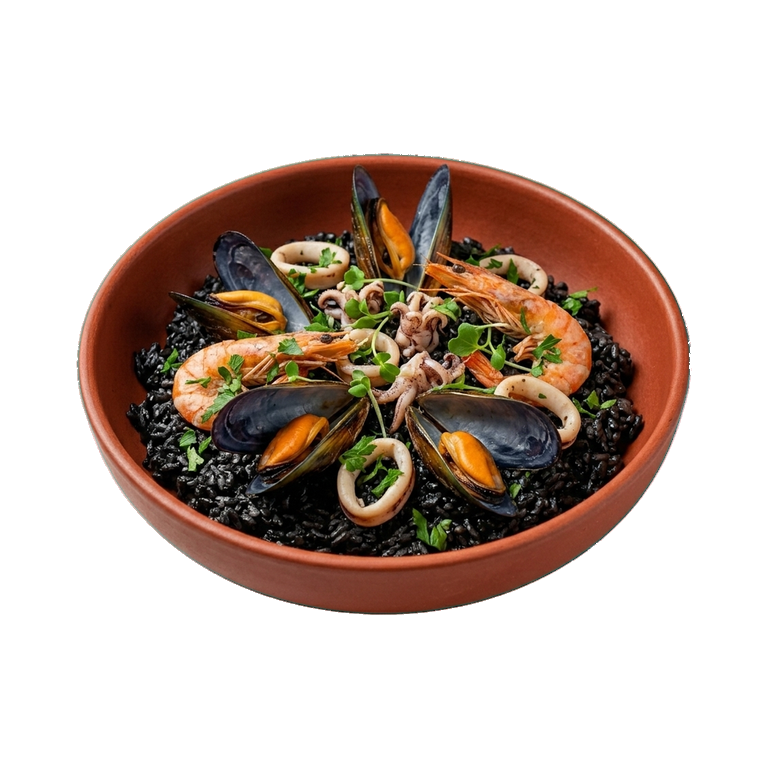
- Risotto — rice grains absorb the ink and turn black, while the sea flavor emphasizes the creamy texture
- Seafood — add ink to squid, octopus or shrimp sauce to enhance the maritime character
- Bread and buns — dough with ink acquires an unusual appearance and a subtle salty undertone
- Sauces — a few drops of ink will transform a creamy or tomato sauce into a stylish complement to fish or seafood
Pairings
Squid ink sounds best alongside seafood — squid, crab, oysters. White wine, especially dry, becomes the ideal companion. Garlic, olive oil, and lemon — a classic trio that emphasizes the maritime character of the ink.
Butter creates a contrast: heavy creaminess offsets the saltiness. Parmesan adds umami, which harmonizes with the seafood flavor. Even simple herbs — parsley or dill — become more vibrant against the backdrop of black squid ink sauce.
Selection and Storage
Ink is sold in small packets or capsules, often in the seafood or specialty ingredients section. Choose packaging that indicates natural ink rather than synthetic dye. The color should be a rich black, without any brown tint.
A closed package is stored in a cool, dry place for several months. If you have opened a capsule, use the contents immediately or transfer it to an airtight container. Ink oxidizes quickly in air, so haste is justified here. Frozen ink in ice cubes will last longer in the freezer and is more convenient to portion.
Start small — a few drops of ink can change the appearance of a dish without overloading its taste. This is an ingredient for accent, not for dominance.
Nutrition
per 100 g
- Calories
- 79 kcal
- Protein
- 16 g
- Fat
- 1 g
- Carbs
- 1 g
Measures and weight
- 1 tbsp
- 15 g
- 1 tsp
- 5 g
- 1 cup
- 250 g
Measure calculator
- Weight
- 100 g
- Calories
- 79 kcal