Usuba
Usuba
Dry mustard
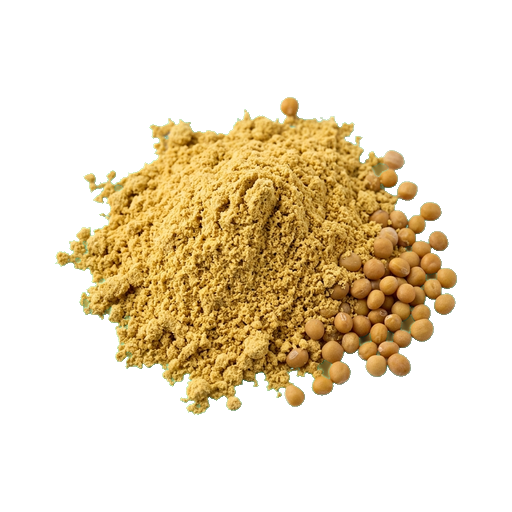
Dry mustard is ground mustard seeds with a sharp, pungent flavor and characteristic hot aftertaste. Used as a seasoning for marinades, sauces, meat and fish dishes, and is also included in spice blends. When added to hot dishes, mustard reveals a deep savory flavor, but prolonged heating can make it bitter, so it is often added at the end of cooking or used for cold sauces.
About
Dry mustard is ground mustard seeds that have been transformed into a yellow or brown powder. Unlike the familiar mustard in a jar, it is a pure concentrate with no added vinegar, oil, or other ingredients. This is precisely why it is so valuable in the kitchen: it is versatile, has a long shelf life, and allows you to control every element of a dish.
Aroma and Flavor
Dry mustard has a sharp, piercing taste with a slight bitterness and pungency. The aroma is pungent and hot — it immediately signals the strength of this ingredient. When you mix the powder with liquid, the sharpness intensifies over 10–15 minutes, so don't rush to add more. If you heat mustard in oil, it becomes milder, warmer, and its nutty undertones are revealed.
How to use it
- Homemade mustard base: mix with water, vinegar, salt and spices — creates a sharp paste that keeps for months
- Marinades and brines: mustard powder speeds up marinating of meat and fish, making them tender and more aromatic
- Breading: mix with flour and spices for chicken, fish or vegetables — gives a crispy crust with character
- Sauces and dressings: a pinch in mayonnaise, vinaigrette or cream sauce adds depth and piquancy
- Sausages and ground meat: a traditional component that enhances flavor and helps preserve structure
- Olives and vegetable preserves: mustard powder in brine or oil — a classic way to preserve and highlight flavor
Combinations and Proportions
Dry mustard pairs well with black pepper, coriander, turmeric, and ginger — together they create a multi-layered spicy bouquet. With vinegar and honey, you get classic mustard. With lemon juice and olive oil — a light piquant dressing. Remember: start with a quarter teaspoon per serving and add to taste. Mustard can easily overpower a dish, but it's just as easy to adjust.
Selection and Storage
Choose mustard in bright yellow or brown color — this is a sign of freshness. The smell should be sharp and clean, without moldy or musty notes. Check the expiration date: ground mustard usually lasts 1–2 years, but its pungency weakens over time. Store in an airtight jar in a cool, dry place, away from light and moisture — this is the main condition. A refrigerator is not necessary, but if you live in a hot climate, mustard will last longer there.
If mustard has become stale or lost its aroma, don't worry: heat it in a dry pan for 1–2 minutes over low heat. The aroma will return, and it will work at full strength again.
Nutrition
per 100 g
- Calories
- 370 kcal
- Protein
- 25 g
- Fat
- 11 g
- Carbs
- 40 g
Measures and weight
- 1 tbsp
- 9 g
- 1 tsp
- 3 g
- 1 cup
- 150 g
Measure calculator
- Weight
- 100 g
- Calories
- 370 kcal