Usuba
Usuba
Dried nori seaweed
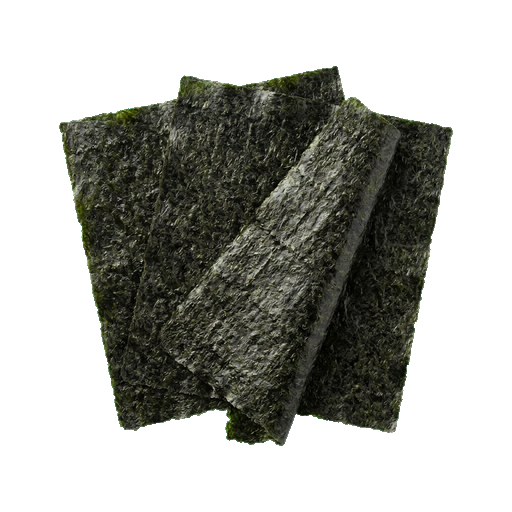
Dried nori seaweed — thin sheets of red seaweed, dried and pressed into dark green or nearly black plates. They have a briny taste with a slight sweetness and a characteristic sea aroma that intensifies when toasted. Nori is indispensable for making sushi and rolls, and is also used as a seasoning for rice, salads, and soups, so when choosing, pay attention to the integrity of the sheets and an even color without white spots.
About
Dry nori seaweed is thin sheets of pressed sea algae that have become an indispensable helper in the kitchen. They take up virtually no space in the cupboard, have a long shelf life, and open up many culinary possibilities. The main thing is to understand how to use them properly and choose a quality product.
Aroma and flavor
Nori has a characteristic sea aroma — salty, slightly iodine-like, with a subtle sweetness. The taste is delicate, not aggressive: the seaweed does not overpower other ingredients, but complements them. When heated, the aroma becomes more pronounced and acquires a light nutty note. This is why roasted nori is considered a delicacy — crispy and fragrant, it becomes a standalone snack.
Where to use nori
The classic way — a wrapper for sushi and onigiri. But modern cuisine has long gone beyond these limits. Nori is crumbled into salads, sprinkled on hot dishes (rice, noodles, soups), used as a wrapper for stuffing, added to omelets and casseroles. Fried nori becomes a crispy snack to drinks or a garnish for rice.
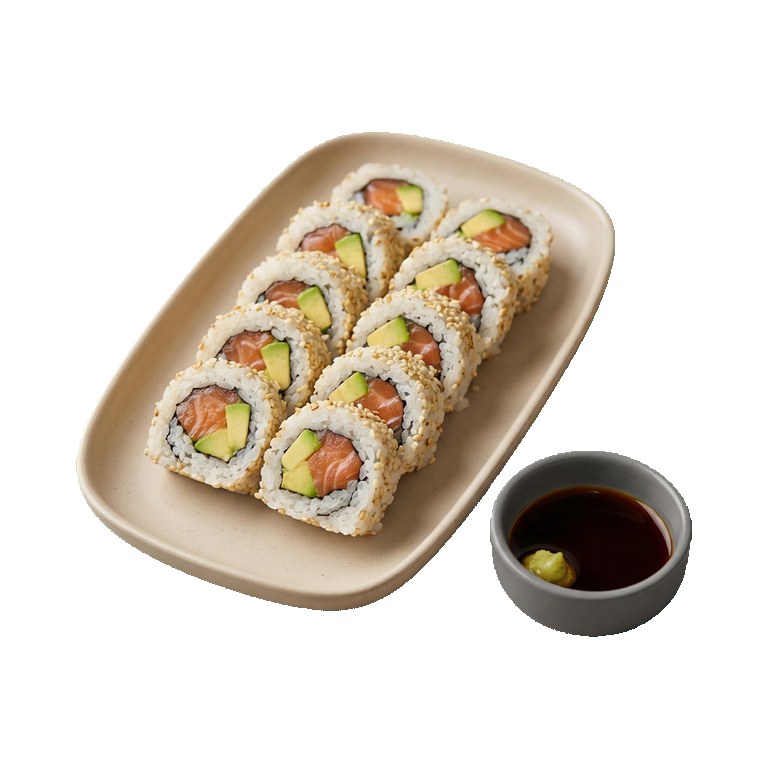
- Sushi and rolls — classic application
- Pan-frying on a dry skillet for crispy appetizer
- Topping for rice and noodle dishes
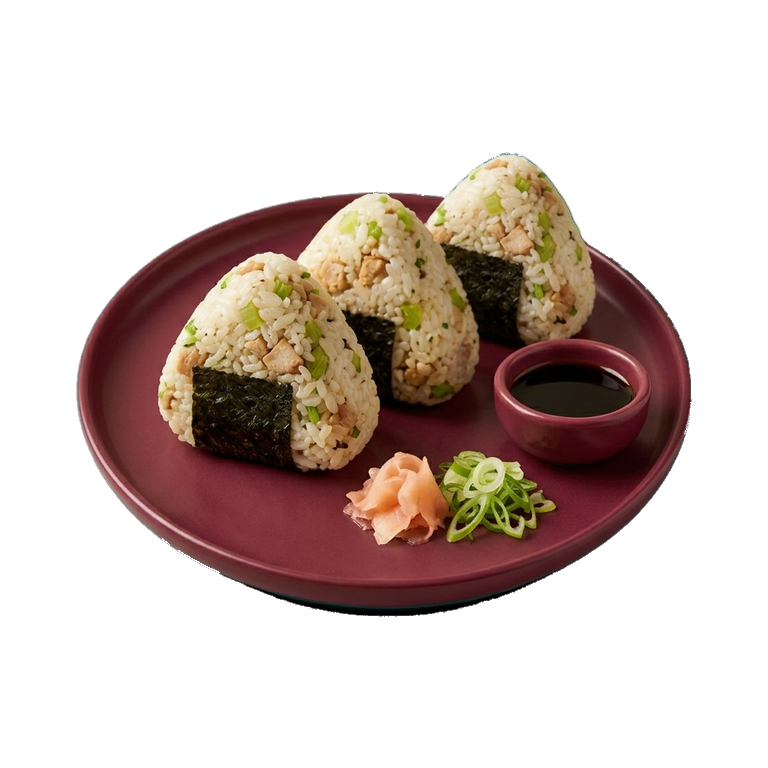
- Wrapper for onigiri and rice balls
- Addition to salads and soups for sea aroma
- Component of filling for cutlets or fish pâtés
Selection and Storage
When choosing, pay attention to the color: quality nori has a deep black or dark green hue with a slight shine. The sheets should be whole, without damage or stains. Smell the package — the aroma should be fresh, oceanic, without mustiness. Check the packaging date: fresh nori has a more saturated taste and aroma.
Store nori in an airtight package in a cool, dry place, away from direct sunlight. Moisture is the enemy of seaweed, so make sure the packaging closes well. When stored properly, nori remains fresh for several months. If the sheets begin to soften or absorb moisture, they can be briefly held over a flame or in an oven at low temperature — they will regain their crispness.
Practical Tips
- Before using for sushi, wet your hands with water — nori won't stick to your skin
- Cut nori with scissors or a sharp knife dipped in water so the edges don't crumble
- Toast nori on a dry pan for 10–15 seconds on each side — it will become crispy and aromatic
- Add nori to hot dishes at the last moment so it doesn't become soggy
- Crumble nori by hand or with a knife for a more interesting texture in the dish
Nori is not just a sushi wrapper. It's a versatile ingredient that enriches dishes with a sea aroma, adds crunch and depth of flavor. A jar of quality nori will always come in handy in the kitchen, even if you don't make sushi every day.
Nutrition
per 100 g
- Calories
- 305 kcal
- Protein
- 35.6 g
- Fat
- 8.8 g
- Carbs
- 44.4 g
Measures and weight
- 1 pcs
- 3 g
Measure calculator
- Weight
- 100 g
- Calories
- 305 kcal