Usuba
Usuba
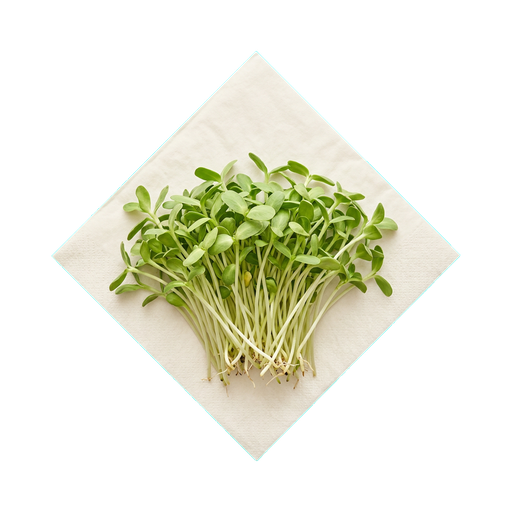
Sunflower seed sprouts
Tender sunflower sprouts with barely sprouted roots have a slightly sweet, nutty flavor and a crispy texture. They are added to salads, smoothies, and sandwiches for extra nutrition and a pleasant crunch, and are also used as a garnish for soups and main dishes. When selecting them, pay attention to their light green color and the absence of slime — sprouts should be fresh and crispy. Store them in the refrigerator for no more than a week.
About
What is it and why it's needed in the kitchen
Sunflower sprouts are young shoots that appear on the third to fifth day after soaking the seeds. At this stage, they are still very tender, with a barely visible root and first leaves. All the energy of germination is concentrated in them: vitamins, minerals, and enzymes become more accessible to the body than in dry seeds. The taste is fresh, slightly nutty, with a pleasant crispy texture.
Taste and Aroma
Sunflower sprouts smell of fresh greens with a light sunflower accent — not sharp, but soft and pleasant. To taste, they are softer than mature seeds, without that density and oiliness. There is a light sweetness and a barely perceptible bitterness that quickly fades. The texture is crispy, but not hard — perfect for salads and sandwiches.
How to use
Sunflower sprouts are best eaten raw — they lose some of their beneficial properties when heated. Add them at the last moment to preserve the crunch and freshness.
- Salads: green mixes, vegetable combinations, salads with grains
- Sandwiches and open-faced sandwiches: as a layer together with vegetables and sauce
- Smoothies and green drinks: add to blender for texture and nutrition
- Soup garnishes: sprinkle on top before serving
- Porridges and bowls: decoration and crunch for any breakfast
Good Neighbors
Sunflower sprouts pair well with any vegetables — tomatoes, cucumbers, carrots, and beets. They work great with soft cheeses, avocado, and cottage cheese. Lemon juice or light oil dressings highlight their freshness. Combined with greens (arugula, spinach, salad mix) they create an ideal balance of textures. On grain side dishes or in quinoa bowls, sprouts add a lively crunch.
Selection and Storage
Choose sprouts that are bright green in color with a clean aroma, with no signs of slime or mold. They should be firm and crispy. Store them in the refrigerator in an airtight container or a bag with air holes — usually 5–7 days, but it's better to use them within the first 3–4 days. Rinse them with cool water before eating.
If you want to grow sprouts at home, soak sunflower seeds overnight, then spread them on damp gauze or in a special sprouter. Spray with water daily — in 4–5 days you'll get fresh sprouts. The process is simple and economical, especially if you need sprouts regularly.
Nutrition
per 100 g
- Calories
- 86 kcal
- Protein
- 8.5 g
- Fat
- 4.2 g
- Carbs
- 6.3 g
Measure calculator
- Weight
- 100 g
- Calories
- 86 kcal