Usuba
Usuba
Light brown sugar
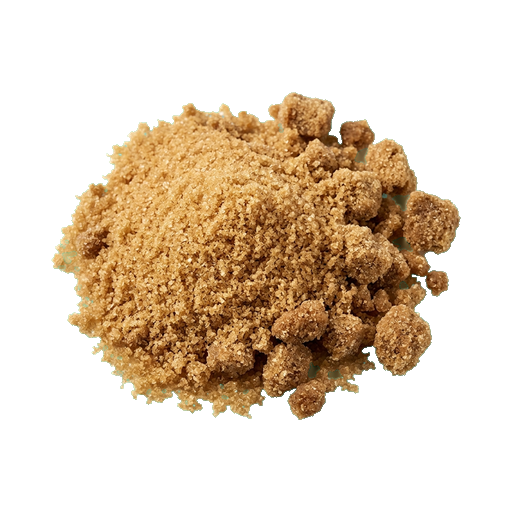
Light brown sugar is crystalline sugar with a thin layer of molasses that gives it a soft caramel flavor and slightly moist texture. It dissolves more slowly than white sugar and better preserves the softness of baked goods, which is why it's often used in cookies, cupcakes, and pies. When substituting white sugar with light brown sugar, keep in mind that molasses adds moisture to the dough, so you may need to slightly reduce the amount of liquid in the recipe.
About
Light brown sugar is white sugar enriched with molasses, which gives it a soft caramel flavor and moist consistency. It is often called soft sugar, and this very softness makes it indispensable in baking and sweet sauces. Unlike regular white sugar, it does not crystallize as quickly and distributes more easily throughout the dough.
Taste and Aroma
Light brown sugar has a barely noticeable caramel hint in its flavor — not sharp like its dark counterpart, but delicate and sweet. The aroma is subtle, with a hint of vanilla and molasses. This gentleness makes it ideal for cookies, cupcakes, and cakes, where sweetness is needed without dominant molasses notes.
Where and how to use
In baking, light brown sugar works in both shortbread dough and sponge cake mixes. It helps the dough stay moist longer, which is especially valuable for cookies and cupcakes. It also works great for caramel sauces, glazes, and sweet marinades — anywhere you need depth of flavor, but not too pronounced.
- Cookies and cupcakes — main application
- Caramel and toffee sauces
- Sweet marinades for meat and fish
- Glazes and creams for desserts
- Porridges and oatmeal mixture
Selection and Storage
When purchasing, pay attention to the consistency — sugar should be granular, not clumped together. If sugar has hardened, it can be softened by adding a piece of bread or apple to the package for several hours. Store in an airtight container at room temperature — air humidity can make it too moist. In a sealed container, sugar will keep for months without loss of quality.
Substitutions and Combinations
If light brown sugar is not available, you can mix white sugar with a small amount of molasses or honey — approximately one tablespoon of molasses per cup of white sugar. Dark brown sugar will also work, but the flavor will be more pronounced. In some recipes, it is successfully combined with white sugar for balanced sweetness and dough texture.
Nutrition
per 100 g
- Calories
- 380 kcal
- Protein
- 0.1 g
- Fat
- 0 g
- Carbs
- 98 g
Measures and weight
- 1 tbsp
- 12 g
- 1 tsp
- 4 g
- 1 cup
- 200 g
Measure calculator
- Weight
- 100 g
- Calories
- 380 kcal