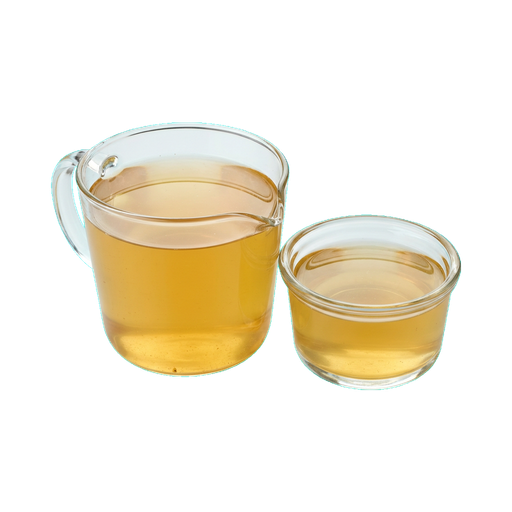
Usuba
Usuba

Butter
Butter is an emulsion of fat and water obtained from cow's milk through churning cream. It has a delicate buttery flavor with a slight sweetness and characteristic aroma of milk fat, melts well when heated, and imparts a rich, full-bodied taste to dishes. It is used in baking, sauces, frying, and enriching finished dishes, but it is important to remember that it can burn at high temperatures, so for frying over high heat it is better to choose oil with a high smoke point or combine it with vegetable oil.
About
Butter is one of the most versatile ingredients in the kitchen. It is not just fat, but a true flavor conductor that makes dishes softer, more aromatic and richer. Whether you're preparing sweet pastries or a meat sauce, butter works equally effectively, changing only its role depending on the task.
Aroma and Taste
High-quality butter has a delicate buttery aroma and a soft, slightly sweet taste. The intensity of the aroma depends on how long the milk was heat-treated and how long the cream was allowed to ripen. Premium butter melts on the tongue, leaving a pleasant milk aftertaste without any bitterness or rancidity.
The color of butter varies from almost white to rich yellow — this depends on the season and the cows' diet. Summer butter is usually brighter because animals eat more grass rich in carotene. Both variants are equally healthy and delicious, they simply provide different visual signals about the product's origin.
Role in dishes
In baking, butter creates a flaky structure and makes the dough tender. In sauces, it emulsifies and adds smoothness. When frying, butter imparts its aroma to the food, although at high temperatures it's better to use refined oil or other oils with a higher smoke point.
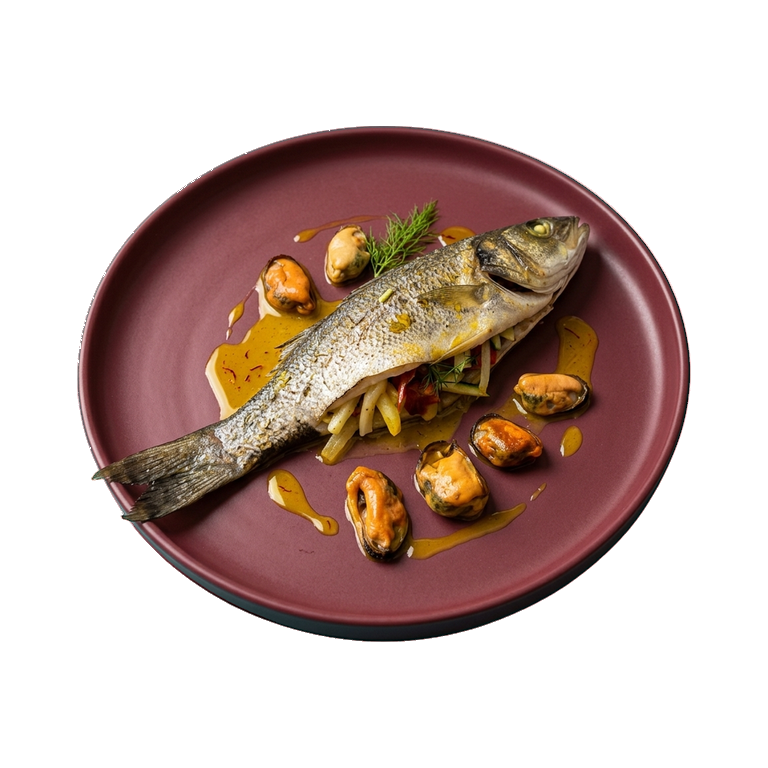
Melted butter is an excellent base for dressings, marinades, and serving with seafood. Cold butter, cut into cubes, is added to cookie and croissant dough. Butter at room temperature is ideal for creams and pastes. Each texture serves its purpose.
Pairings and Harmony
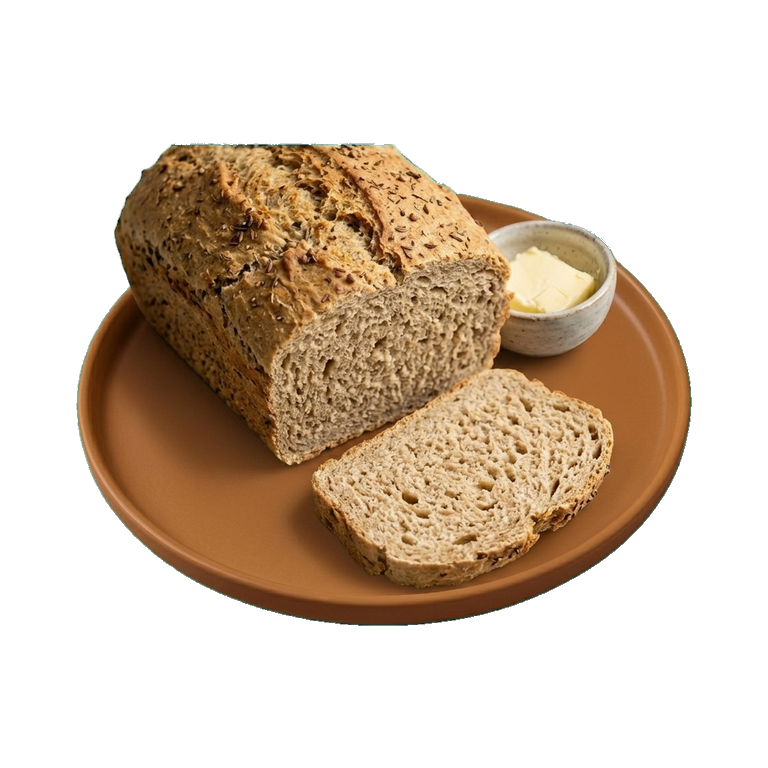
Butter pairs universally well with herbs, garlic, lemon, and black pepper. This combination creates a classic butter sauce for steak. With sugar and cinnamon, butter becomes the base for sweet sauces and creams. With sea salt and fresh herbs, it makes an ideal appetizer spread for bread.
- Herbs: rosemary, thyme, parsley — for meat dishes and vegetables
- Citrus: lemon, lime — for fish and seafood
- Spices: black pepper, paprika — for creamy sauces
- Sweet: vanilla, honey — for baking and desserts
Selection and Storage
When choosing butter, pay attention to the composition: it should contain only cream and salt (if it's salted butter). No vegetable fats or emulsifiers. Good butter has a uniform color and dense structure. Check the production date on the packaging — fresh butter always tastes better.
Store butter in the refrigerator in its original packaging or in a tightly sealed container to prevent it from absorbing foreign odors. At temperatures of 0–5 degrees Celsius, butter keeps for 2–3 weeks. If you need longer storage, freeze the butter — it freezes excellently and does not lose its flavor properties.
Practical tip
If the butter is firm and cold, cut it into pieces 15–20 minutes before use — it will reach the desired consistency faster. For sauces and creams, use butter at room temperature so it emulsifies better. This simple rule will save you time and improve the result.
Nutrition
per 100 ml
- Calories
- 717 kcal
- Protein
- 0.9 g
- Fat
- 82.5 g
- Carbs
- 0.1 g
Measures and weight
- 1 tbsp
- 13.7 g
- 1 tsp
- 4.5 g
- 1 cup
- 227.5 g
- 1 slice
- 5 g
Measure calculator
- Weight
- 100 g
- Calories
- 788 kcal