Usuba
Usuba
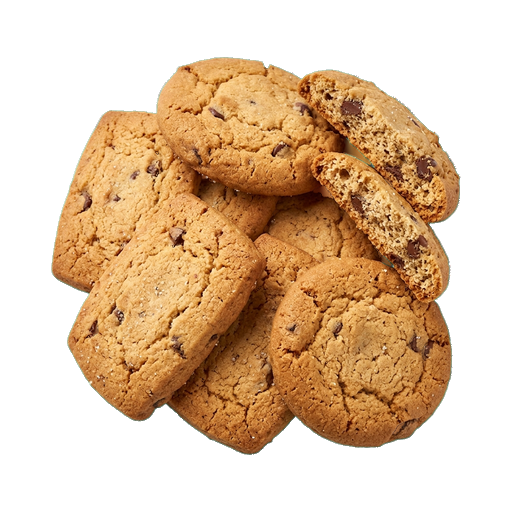
Cookie
Cookies are confectionery products made from dough that are baked to a crispy or soft consistency. They are used as a standalone dessert, as part of other dishes, or for making crumbs in cakes and cheesecakes. When choosing, it is important to pay attention to the production date and storage conditions, as cookies quickly absorb moisture and lose their crispness.
About
Cookies are one of the most versatile ingredients in the kitchen. They can be used not only as a standalone dessert, but also as a component of complex dishes, a base for pies, a crumb for topping, or even a thickener for sauces. Depending on the type of cookie, you can create completely different flavor combinations and textures.
Which cookies to choose for different dishes
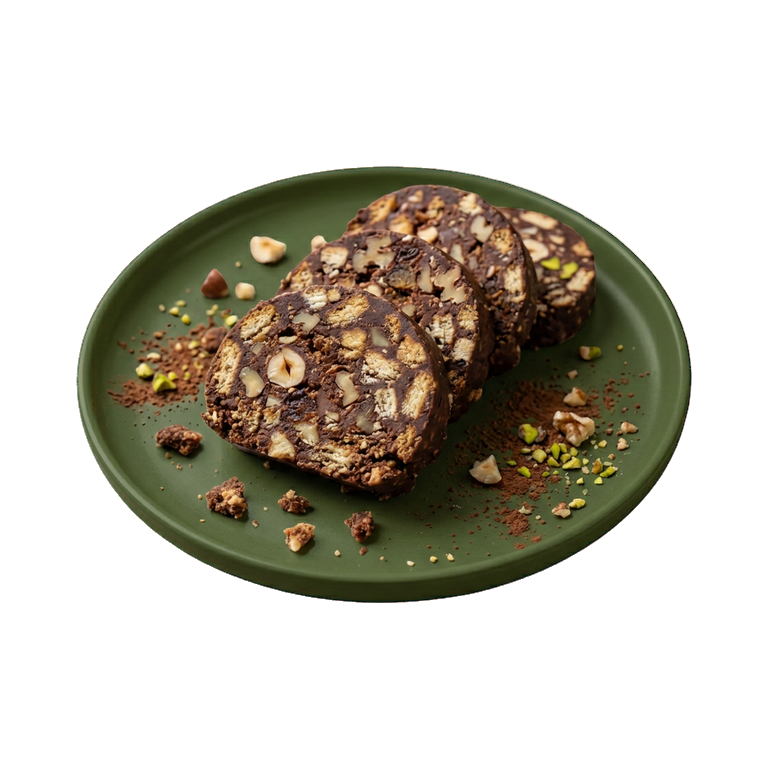
Crispy cookies with a neutral taste are perfect for the base of a cheesecake or other desserts where a solid foundation is needed. Butter cookies add richness and softness to the crumbs, absorb moisture well, and hold together in the pan. Cookies with a pronounced flavor — chocolate, caramel, with nuts — become an independent ingredient that sets the tone for the entire dish.
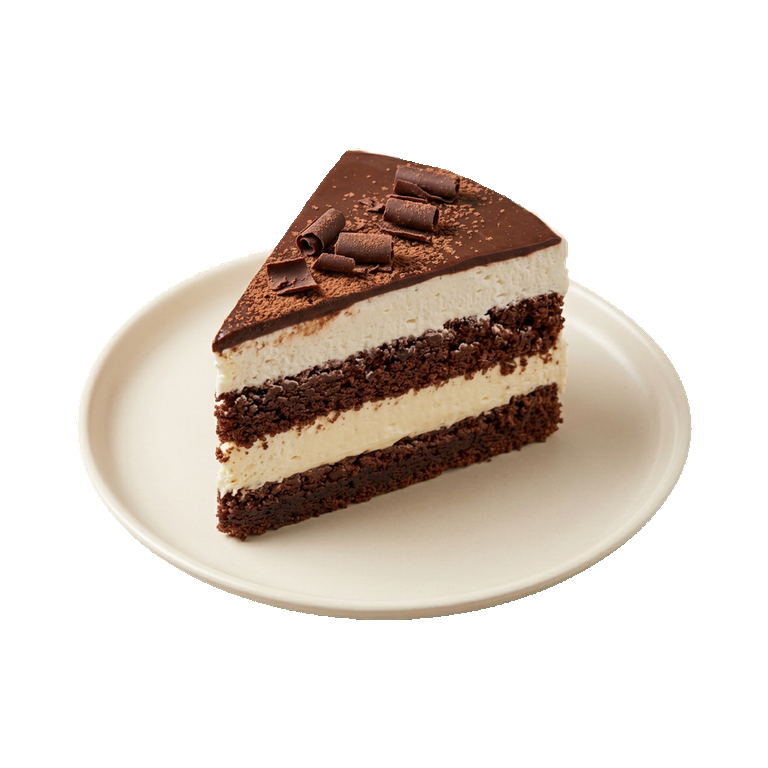
- Base for cheesecake, tiramisu and other cold desserts
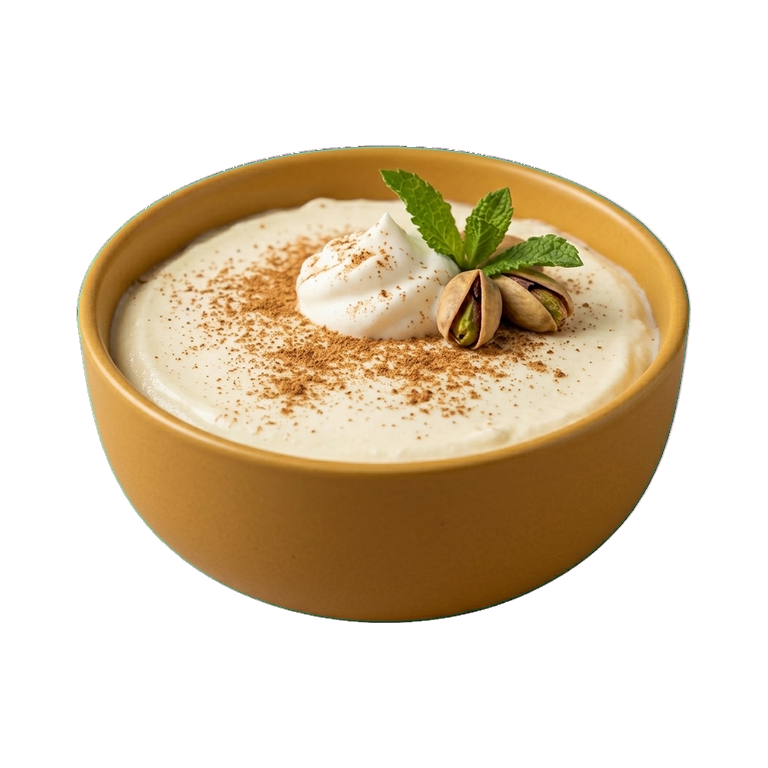
- Crumbs for decorating ice cream and mousses
- Component for sandwich cookies with cream or jam
- Additive to dough for pies and cupcakes
- Thickener for fruit compotes and jellies
Working with cookies in the kitchen
For dessert bases, cookies need to be crushed into crumbs. If you don't have a blender, put the cookies in a sturdy bag and crush them with a rolling pin or the heavy bottom of a glass — this will create a coarse, textured crumb that often looks more interesting. If a smooth, uniform base is required, use a food processor or coffee grinder.
Important note: cookies are hygroscopic and quickly absorb moisture. If you are preparing a base for cheesecake, mix the crumbs with butter immediately before baking, otherwise the mixture will become too wet. When adding cookies to liquid dishes, keep in mind that they will soften, and time it so that you achieve the desired consistency.
Selection and Storage
When choosing cookies, pay attention to their structure: they should be crispy, without any signs of moisture or mold. Check the production date — fresh cookies hold their shape better and have a more vibrant taste. If the cookies are slightly damp, you can dry them in the oven at 100 degrees for 10–15 minutes.
Store cookies in an airtight container or tightly sealed bag at room temperature, away from direct sunlight and heat sources. In humid climates, add a small bag of rice or salt to the container to absorb excess moisture. Properly stored cookies maintain their crispness for several weeks, and crushed crumbs for several months.
Successful Combinations
Neutral cookies work well with any creams, berries, and fruits. Chocolate cookies enhance coffee and nutty notes, pair excellently with caramel and salt. Cookies with cinnamon or ginger support spices in fillings and creams. If you use cookies with a pronounced flavor, choose toppings that complement it rather than compete with it.
Cookies are not just a ready-made ingredient, but a way to quickly achieve the desired texture and taste. Experiment with different types to find your favorite combinations.
Nutrition
per 100 g
- Calories
- 420 kcal
- Protein
- 7 g
- Fat
- 15 g
- Carbs
- 68 g
Measures and weight
- 1 pcs
- 15 g
Measure calculator
- Weight
- 100 g
- Calories
- 420 kcal