Usuba
Usuba
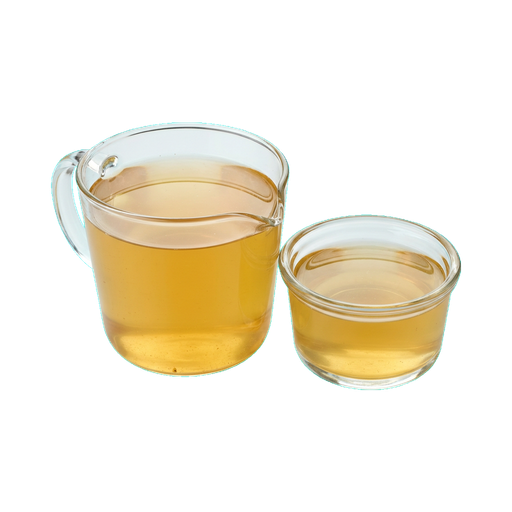
Fish broth
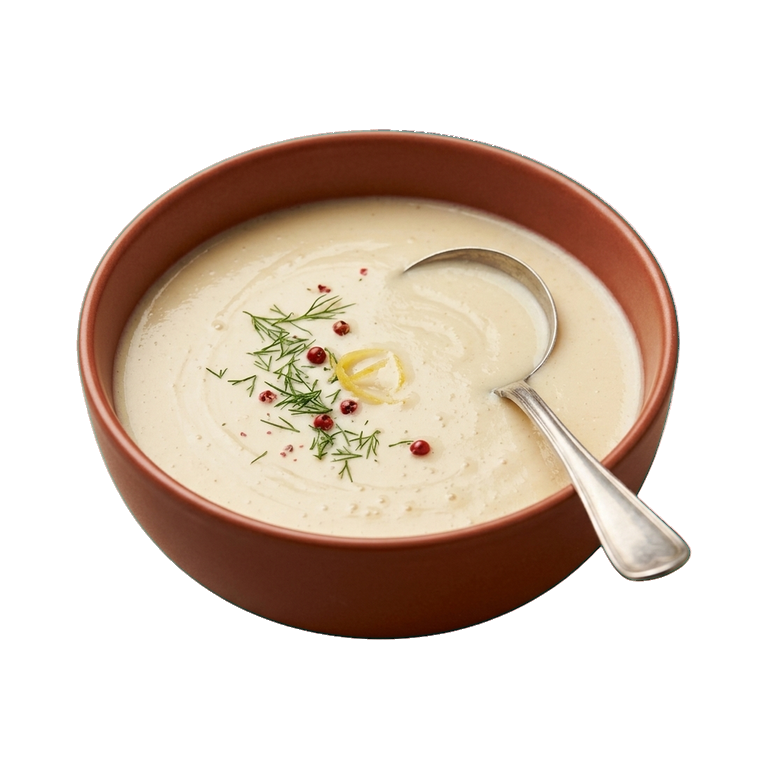
Fish stock is a rich, clear broth made from bones, heads, and trimmings of white sea fish with the addition of vegetables and spices. It has a delicate seafood aroma and subtle flavor that doesn't overpower other dish ingredients, making it ideal for soups, sauces, and risotto. When choosing the base for stock, prefer bones and heads of lean fish varieties, and avoid prolonged cooking during preparation — 30–40 minutes is sufficient to prevent bitterness and cloudiness.
Micronutrients
per 100 ml
Minerals
About
Fish broth is a foundation that transforms simple ingredients into a dish with depth and character. Unlike meat broth, it cooks quickly, but requires attention to detail. Good fish broth turns out clear, with a delicate aroma of the sea and barely perceptible sweetness, without harsh or unpleasant odors.
Aroma and Flavor
The taste of fish broth depends on which fish you use. White fish — cod, halibut, flounder — produce a delicate, almost neutral broth that doesn't overpower other ingredients. Fattier fish like mackerel or herring create a rich, pronounced flavor. Bones and heads contain collagen, which turns into gelatin when cooked and makes the broth smooth and coating.
The aroma is formed by vegetables and spices. White wine adds acidity and refinement, onion and celery — sweet notes, bay leaf and black pepper — spice. Sea salt emphasizes the natural taste of fish without overpowering it.
Role in Dishes
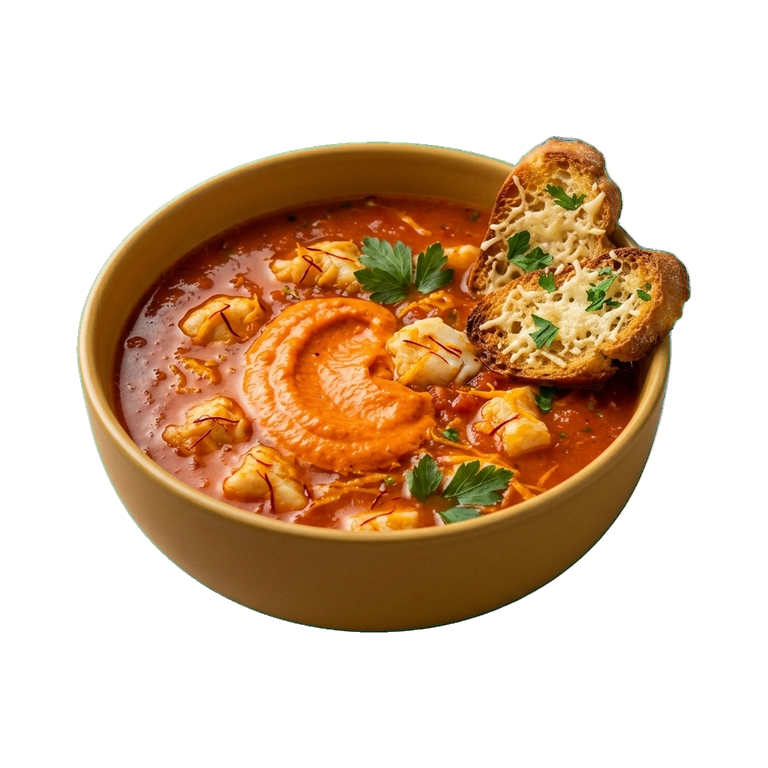
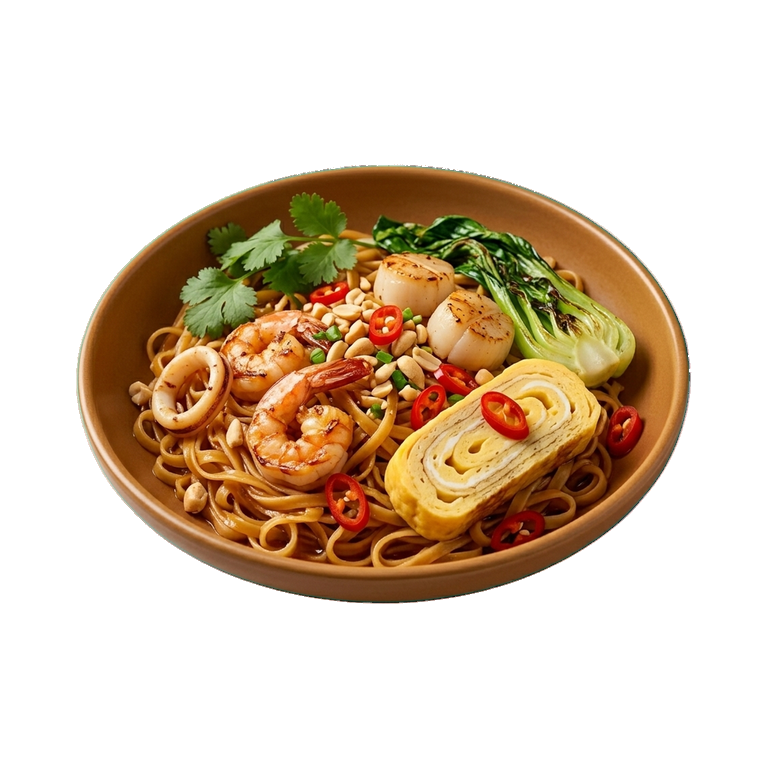
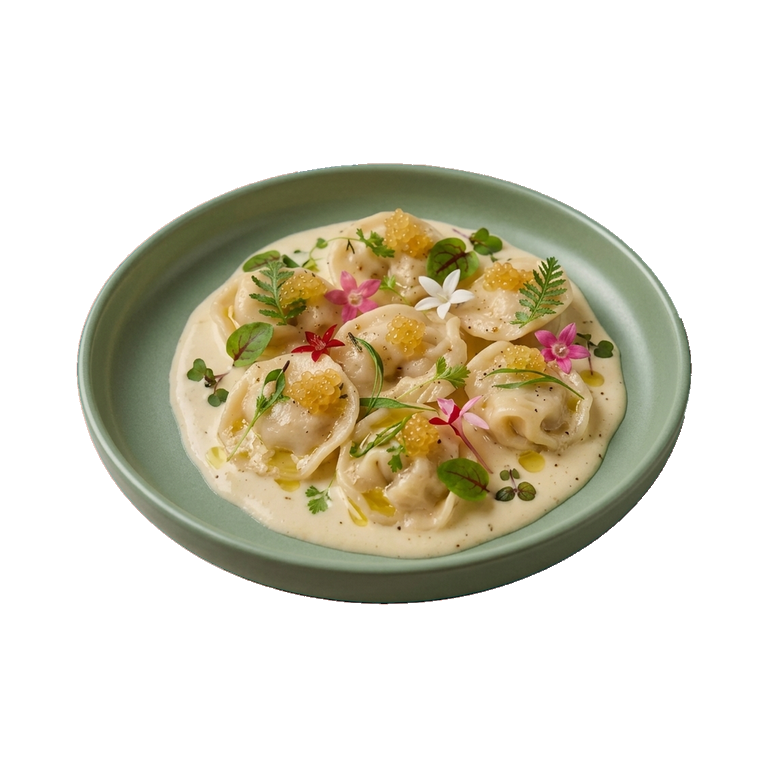
Fish broth is an essential base for soups: classic bouillabaisse, French seafood soup, light consommé, or Asian broths with fish and noodles. It is used for preparing seafood risotto, paella, sauces for fish dishes, and even for stewing vegetables when a subtle sea flavor is needed.
- Soups and broths — the main use case
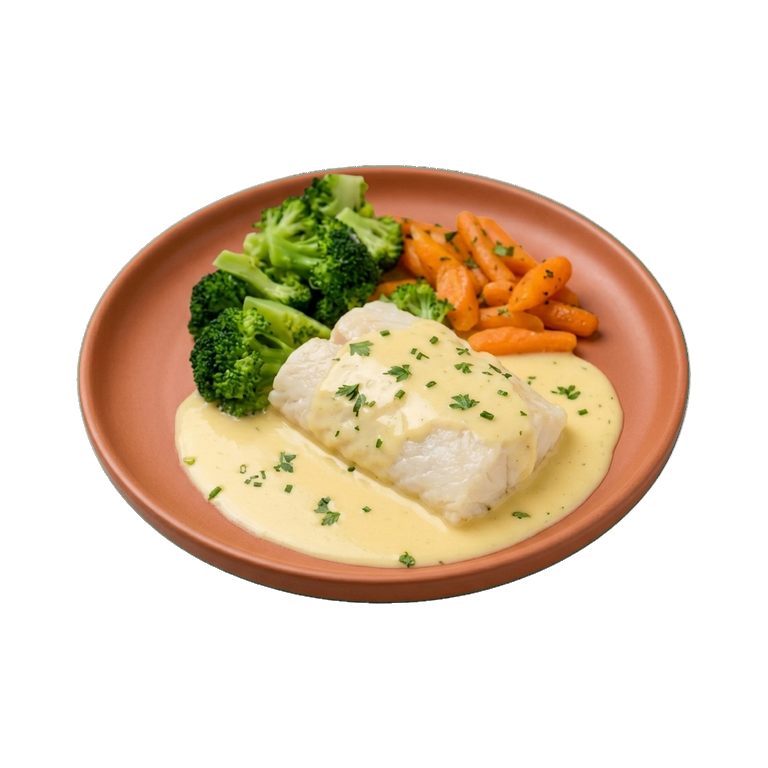
- Sauces for fish and seafood — for depth and consistency
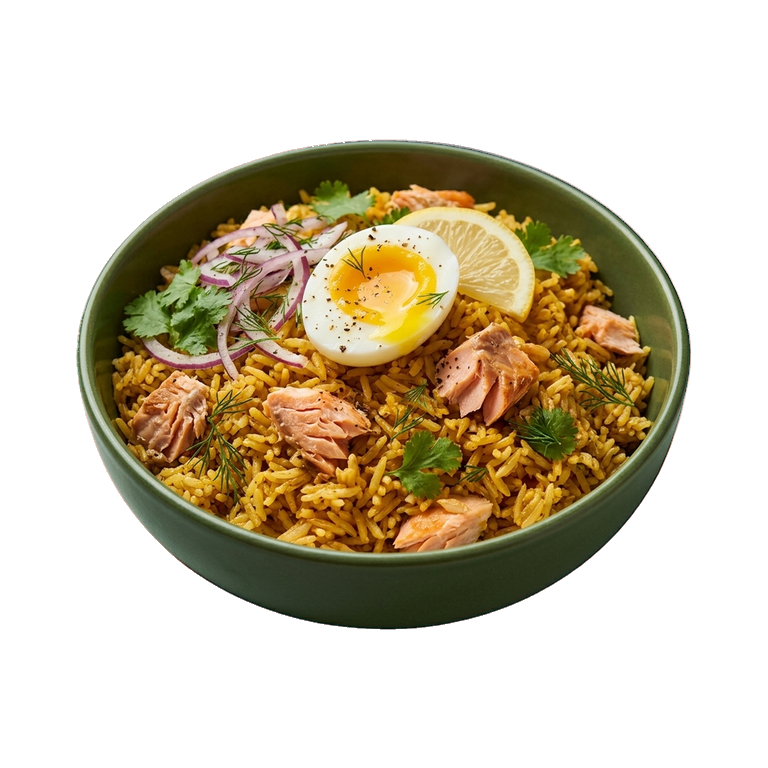
- Risotto and paella — instead of vegetable or chicken broth
- Stewing vegetables and mushrooms — when a light seafood base is needed
Selection and Preparation
If you are making broth yourself, use bones and heads of white fish without gills (they give a bitter taste). Cook for no more than 40 minutes — overcooked broth becomes cloudy and loses its freshness. Strain through cheesecloth to avoid small bones and scales.
Store-bought fish broth saves time, but check the ingredients: it should not contain flavor enhancers or artificial flavorings. Concentrated broth is more convenient to store, but dilute it carefully — it's easy to over-salt the dish. Homemade frozen broth keeps for up to three months and is always on hand for a spontaneous soup or sauce.
Pairings
- With tomatoes and saffron — for Mediterranean soups
- With ginger, lemongrass and fish sauce — for Asian dishes
- With white wine and cream — for refined sauces
- With seafood and vegetables — for hearty soups
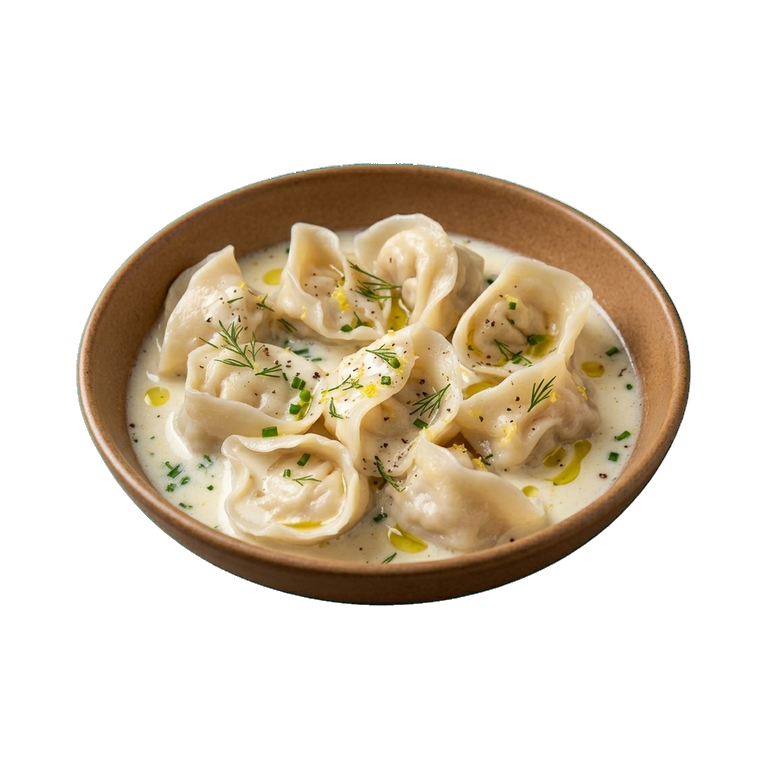
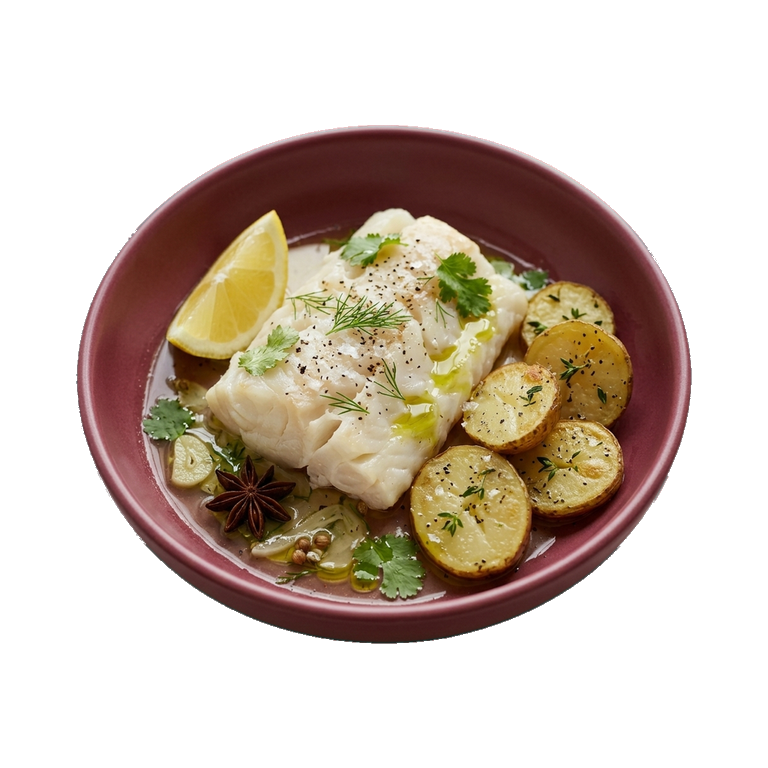
- With lemon and fresh herbs — for lightness and freshness
Fish broth is not just a liquid, but a flavor base that brings a dish together and makes it whole. By learning how to prepare it or choosing it correctly, you will discover new possibilities in the kitchen and be able to cook fish dishes at a restaurant level.
Nutrition
per 100 ml
- Calories
- 8 kcal
- Protein
- 1.5 g
- Fat
- 0.2 g
- Carbs
- 0.1 g
Micronutrients
per 100 ml
Macronutrients
- Fiber
- 0 g
- Sugars
- 0.09 g
- Saturated fat
- 0.133 g
- Monounsaturated fat
- 0.108 g
- Polyunsaturated fat
- 0.245 g
- Omega-3 (EPA + DHA)
- 0.196 g
- Cholesterol
- 0 mg
- Water
- 96 g
Minerals
- Sodium
- 200 mg
- Potassium
- 86 mg
- Calcium
- 30 mg
- Magnesium
- 1 mg
- Phosphorus
- 30 mg
- Iron
- 0.21 mg
- Zinc
- 0.1 mg
- Copper
- 0.05 mg
- Selenium
- 0.7 mcg
Vitamins
- Vitamin A (RAE)
- 1 mcg
- Vitamin D
- 0 mcg
- Vitamin E
- 0.15 mg
- Vitamin K
- 0.2 mcg
- Vitamin C
- 0 mg
- Vitamin B1 (thiamin)
- 0 mg
- Vitamin B2 (riboflavin)
- 0.03 mg
- Vitamin B3 (niacin)
- 1.37 mg
- Vitamin B6
- 0.01 mg
- Vitamin B9 (folate, DFE)
- 4 mcg
- Vitamin B12
- 0.1 mcg
Measures and weight
- 1 tbsp
- 15 g
- 1 tsp
- 5 g
- 1 cup
- 250 g
Measure calculator
- Weight
- 100 g
- Calories
- 8 kcal