Usuba
Usuba
Rum
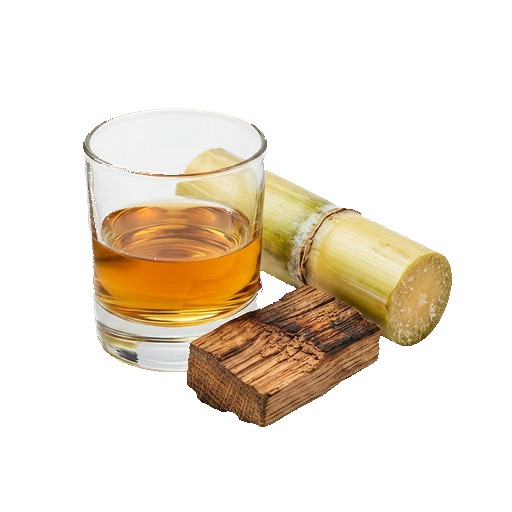
A strong spirit distilled from sugarcane through fermentation and distillation. It features a slightly sweet taste with notes of caramel, vanilla, and wood, depending on its age and origin. In cooking, it is used to prepare cocktails, marinades, desserts, and sauces, adding depth and warm undertones to dishes.
Micronutrients
per 100 ml
About
Rum is a strong spirit made from sugarcane or molasses. In cooking, it works not just as a beverage, but as an active ingredient that transforms dishes and drinks. Its sweetness, deep aroma, and ability to reveal new flavors make it an indispensable helper in the kitchen.
Taste and Aroma
The flavor profile of rum depends on its age and place of production. Young rum is light and sharp, with sharp alcoholic notes. Aged rum is smoother, with caramel, vanilla, and woody undertones. These differences are important when choosing: light rum is often used for cocktails, while more full-bodied rum is used for complex drinks and desserts.
The aroma of rum is enveloping and sweet, with fruity notes. When you add it to a hot dish, the alcohol evaporates, leaving behind a concentrated flavor and aroma that enriches the sauce or filling.
Culinary Use
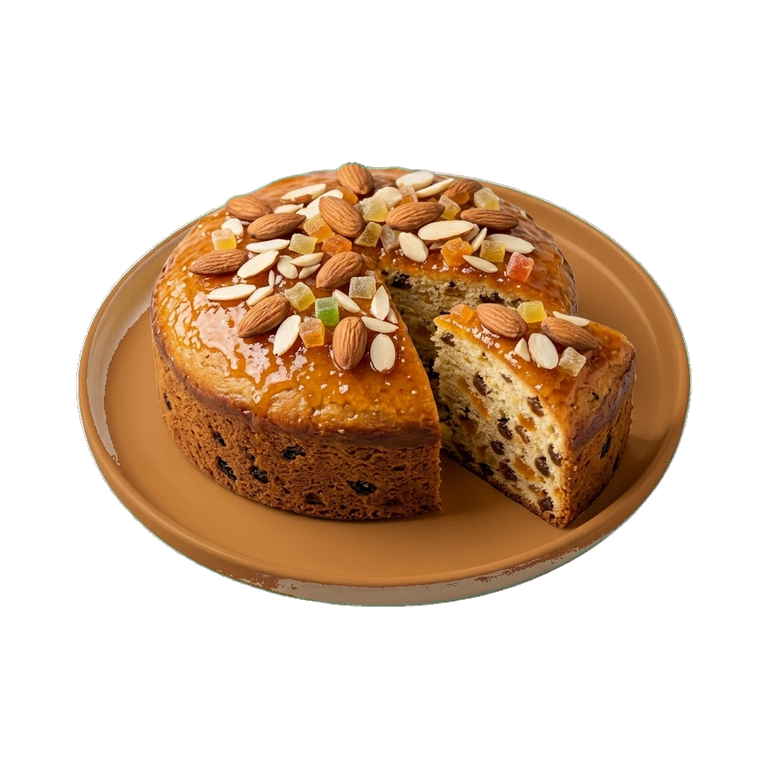
In cooking, rum is used for flambéing — when you ignite it over a dish. This not only looks spectacular but also helps burn off excess alcohol, leaving a clean taste. Rum is often added to marinades for meat and fish, to glazes for baked goods, and to caramel sauces.
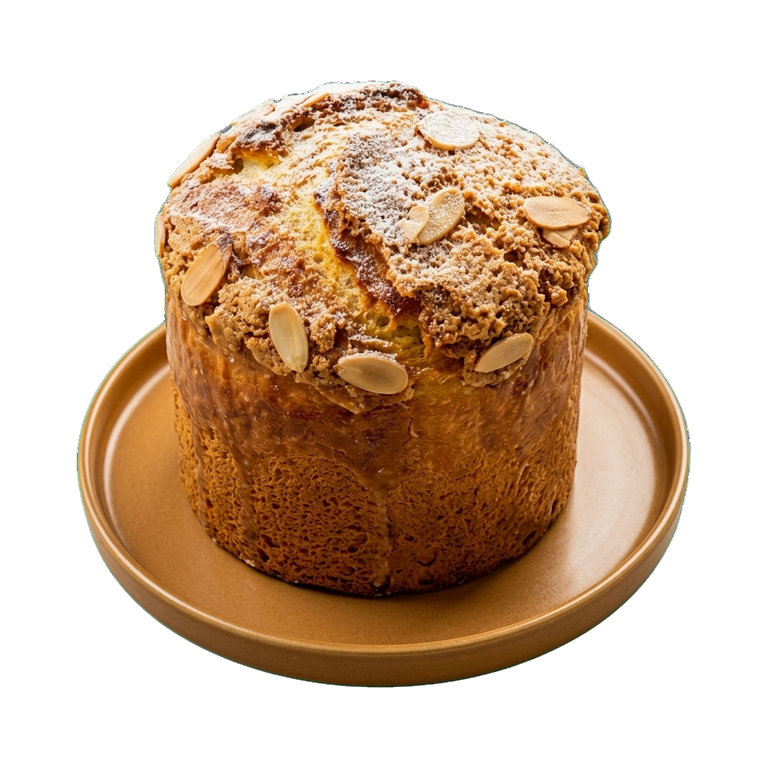
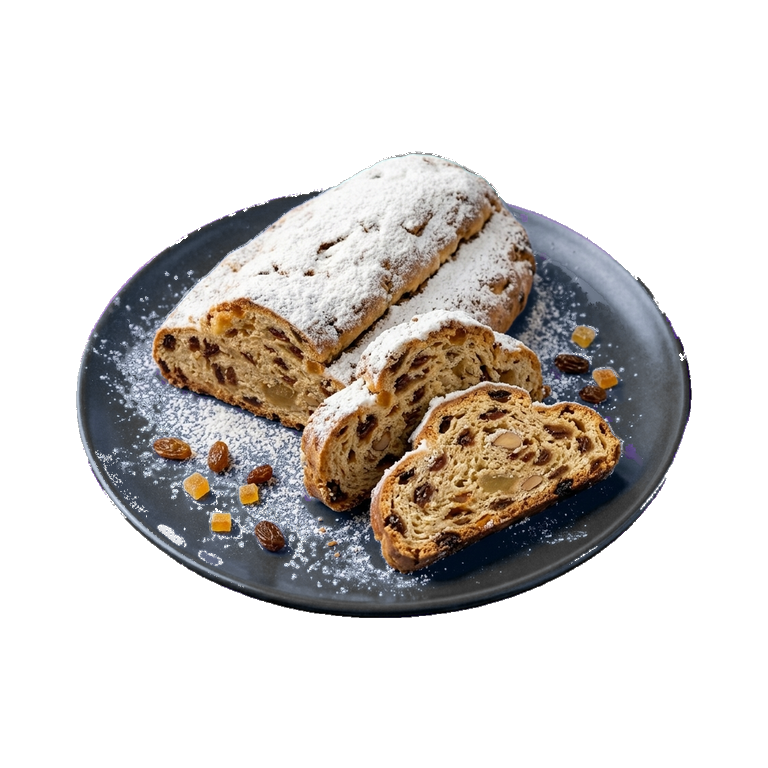
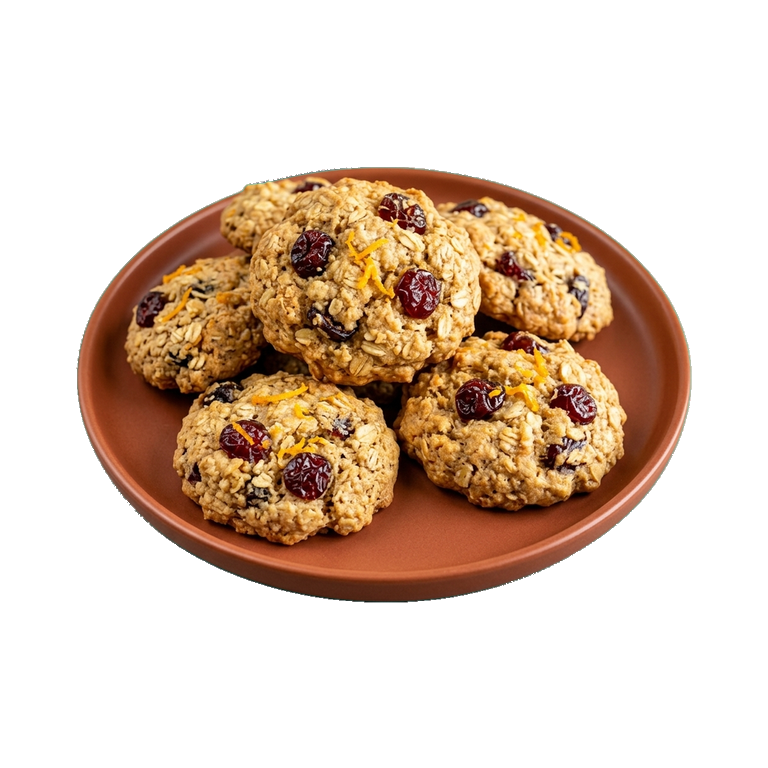
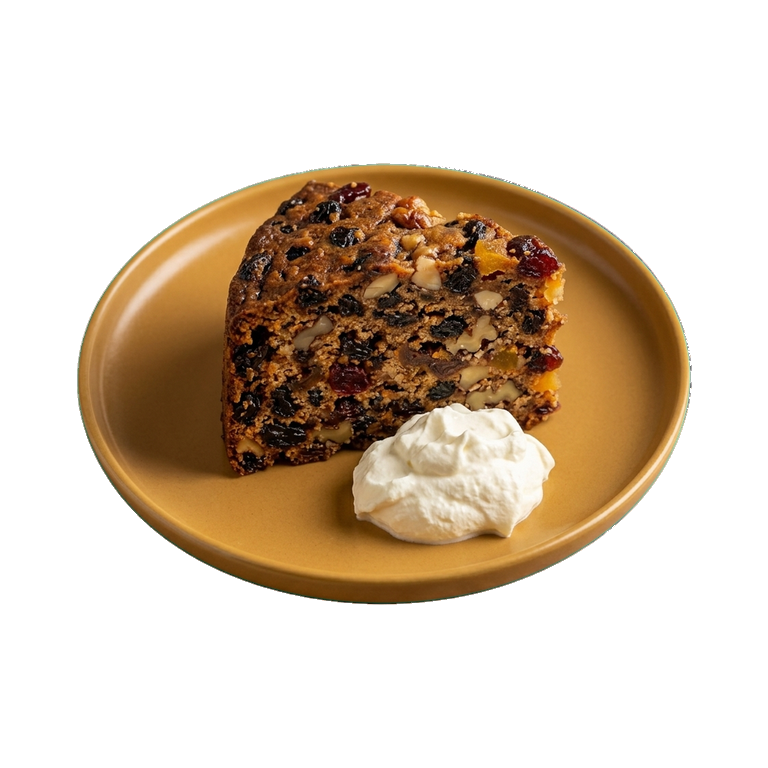
- Desserts and pastries: cake syrup, cream additive, ganache or caramel
- Hot drinks: punch, grog, hot chocolate with rum
- Cold cocktails: mojito, daiquiri, piña colada
- Meat dishes: marinades, sauces for duck or pork
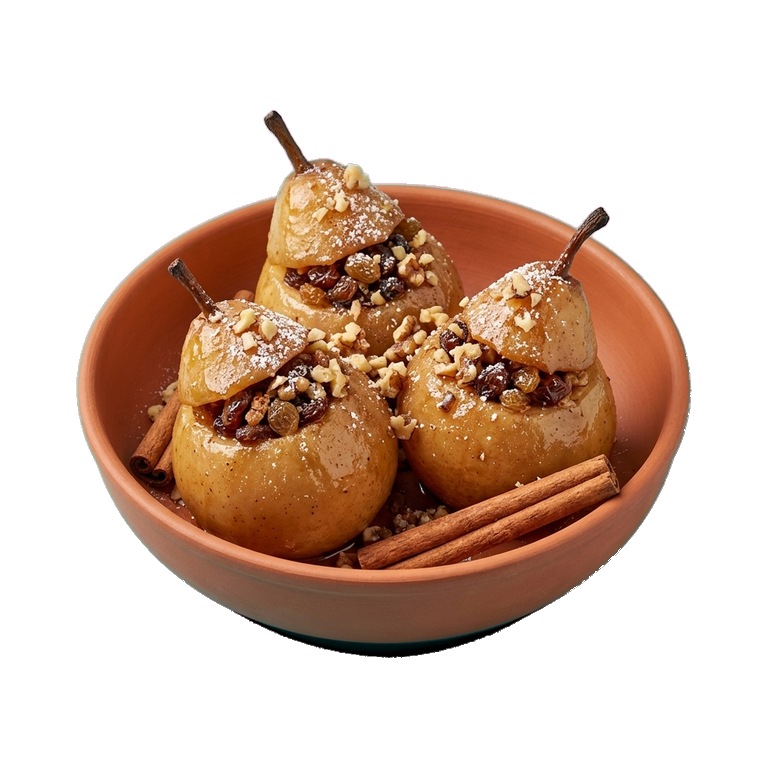
- Fruits and compotes: when cooking or in syrup for preserving
Selection and Storage
For culinary purposes, you don't need to buy expensive premium rum. Light rum in the mid-price range works well for most recipes. If you plan to use it in drinks where rum flavor is the star, then it's worth choosing a higher quality option. Pay attention to the alcohol content: standard is 37.5–40%, but there are also stronger versions.
Rum is stored in a sealed bottle in a cool, dark place. Alcohol preserves the product, so an open bottle can sit for months without losing quality. The main thing is to protect it from direct sunlight and sharp temperature fluctuations.
Successful Combinations
Rum naturally pairs well with tropical flavors: coconut, pineapple, mango, and lime. It works beautifully with cinnamon, vanilla, and nutmeg—these spices enhance its sweetness. In meat dishes, rum combines with hot sauces, ginger, and garlic, creating a contrast between sweetness and savory notes.
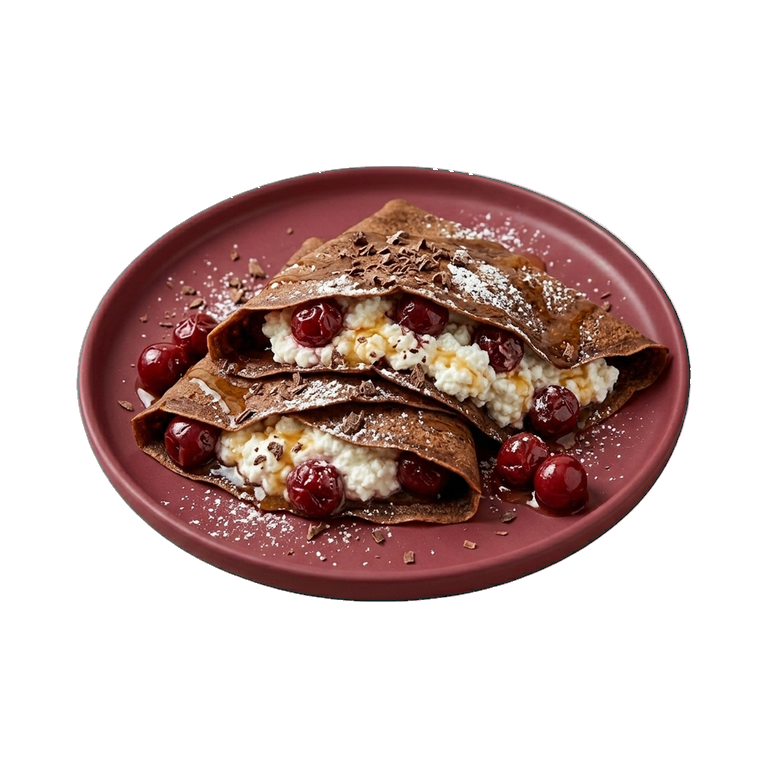
- With chocolate and cocoa in desserts
- With brown sugar and honey in marinades
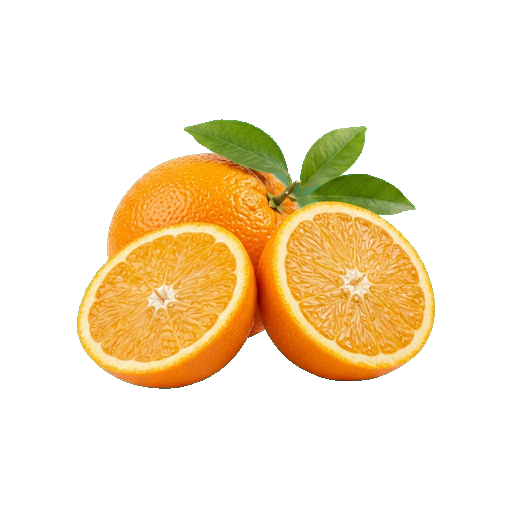
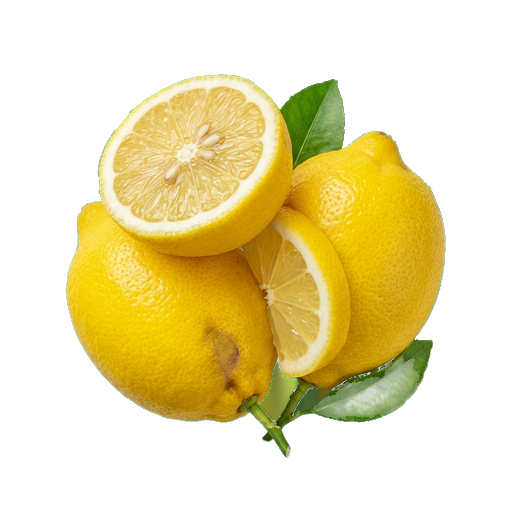
- With lemon and lime in beverages
- With cream and milk in hot cocktails
Rum is an ingredient worth having on hand. It adds depth to simple dishes, helps reveal the flavors of other ingredients, and gives drinks character. Start small: add a little rum to your next dessert or cocktail, and you'll understand why this spirit is so valued in the kitchen.
Nutrition
per 100 ml
- Calories
- 231 kcal
- Protein
- 0 g
- Fat
- 0 g
- Carbs
- 0 g
Micronutrients
per 100 ml
Macronutrients
- Fiber
- 0 g
- Sugars
- 0 g
- Saturated fat
- 0 g
- Monounsaturated fat
- 0 g
- Polyunsaturated fat
- 0 g
- Omega-3 (EPA + DHA)
- 0 g
- Cholesterol
- 0 mg
- Water
- 52.614 g
Minerals
- Sodium
- 0.79 mg
- Potassium
- 1.58 mg
- Calcium
- 0 mg
- Magnesium
- 0 mg
- Phosphorus
- 3.95 mg
- Iron
- 0.09 mg
- Zinc
- 0.06 mg
- Copper
- 0.04 mg
- Manganese
- 0.01 mg
- Selenium
- 0 mcg
Vitamins
- Vitamin A (RAE)
- 0 mcg
- Vitamin D
- 0 mcg
- Vitamin E
- 0 mg
- Vitamin K
- 0 mcg
- Vitamin C
- 0 mg
- Vitamin B1 (thiamin)
- 0.01 mg
- Vitamin B2 (riboflavin)
- 0 mg
- Vitamin B3 (niacin)
- 0 mg
- Vitamin B5 (pantothenic acid)
- 0 mg
- Vitamin B6
- 0 mg
- Vitamin B9 (folate, DFE)
- 0 mcg
- Vitamin B12
- 0 mcg
Measures and weight
- 1 tbsp
- 11.9 g
- 1 tsp
- 4 g
- 1 cup
- 197.5 g
Measure calculator
- Weight
- 100 g
- Calories
- 292 kcal