Usuba
Usuba
Almond
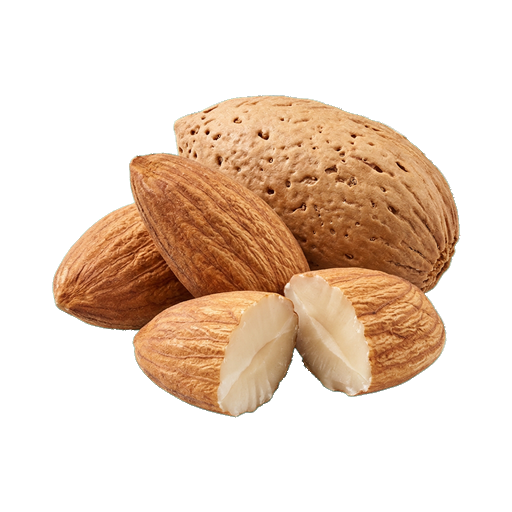
Almond is a stone fruit with a tender-textured nutty kernel and a sweet, slightly oily flavor with a delicate bitterness. In cooking, it is used both raw and processed: whole, sliced, ground into flour, or as butter. It is important to note that bitter varieties require special processing before consumption, while sweet almonds are versatile for both sweet and savory dishes, baking, sauces, and beverages.
About
Almonds are one of the most versatile nuts in the kitchen. Their delicate, slightly sweet flavor and tender texture make them ideal for both sweet desserts and savory dishes. Whether whole kernels, ground flour, or oil, almonds easily adapt to any cooking style and add depth and richness to dishes.
Aroma and taste
Fresh almonds have a soft and pleasant smell, with barely perceptible sweet notes. When you roast them on a dry pan or in the oven, the aroma becomes richer and more complex — nutty, slightly caramel undertones appear. Almonds taste buttery, but not heavy, with a pleasant crunchy texture if unprocessed. Blanched almonds (without skin) are more delicate and milder in taste.
Role in dishes
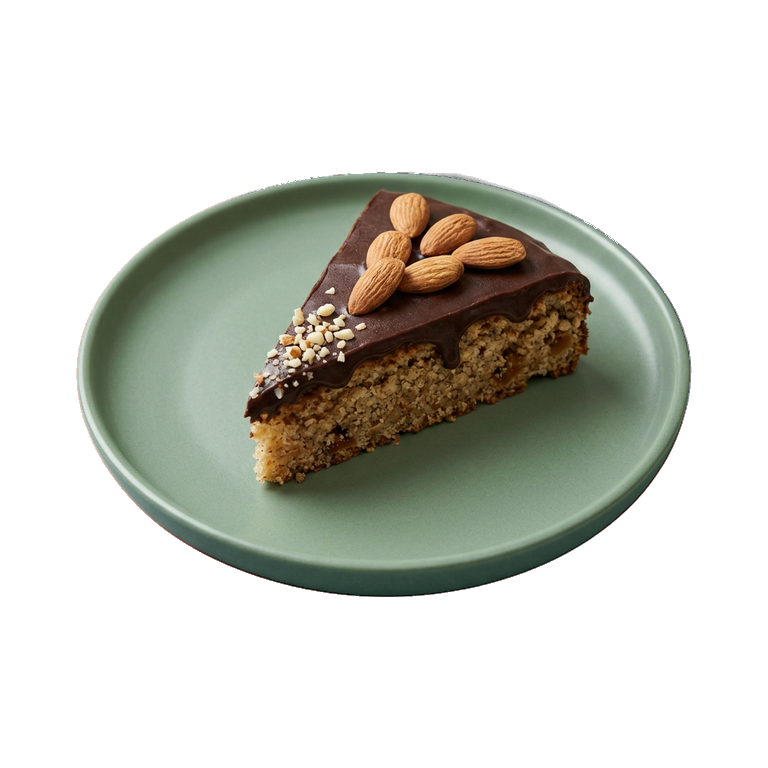
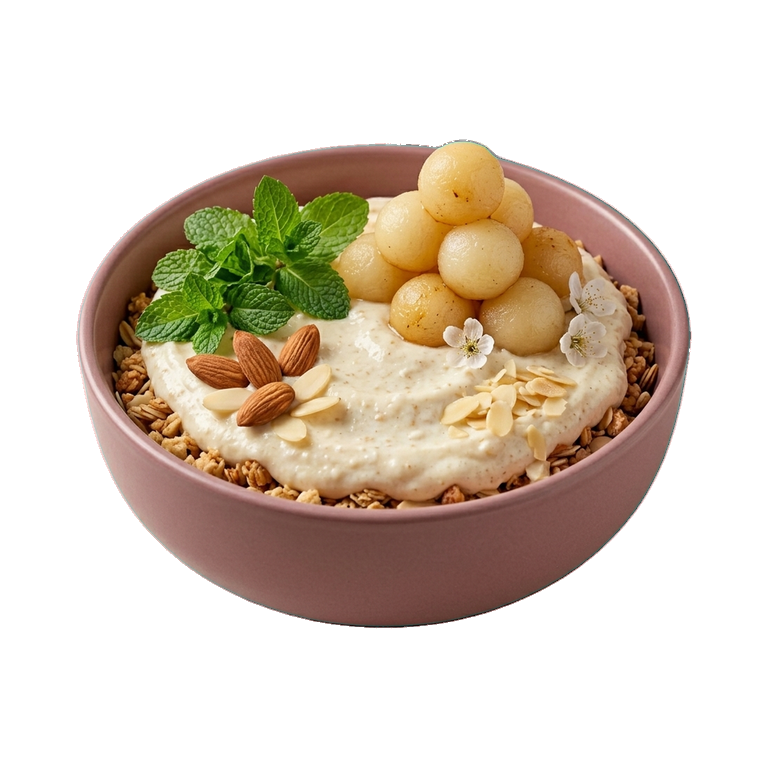
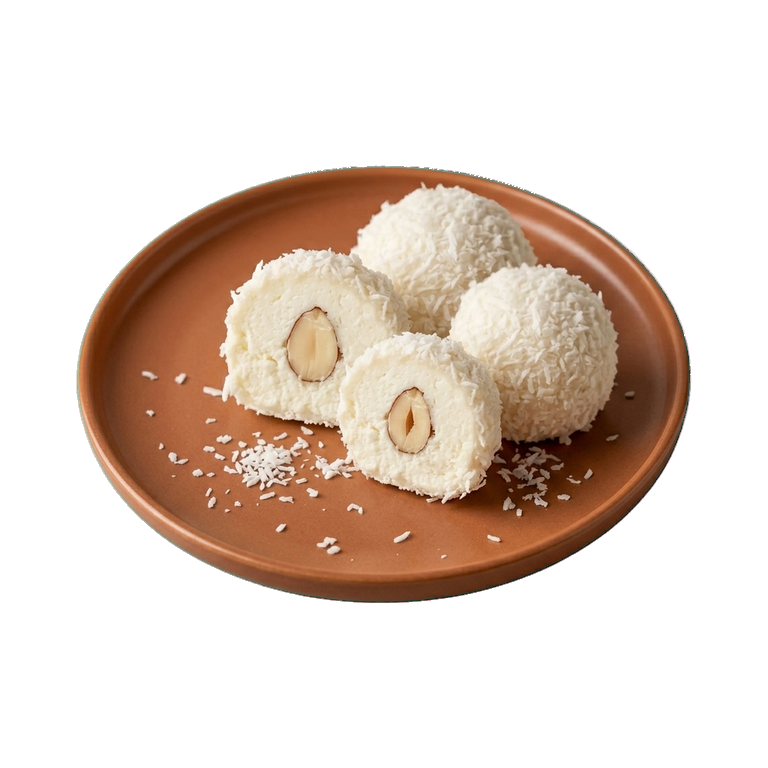
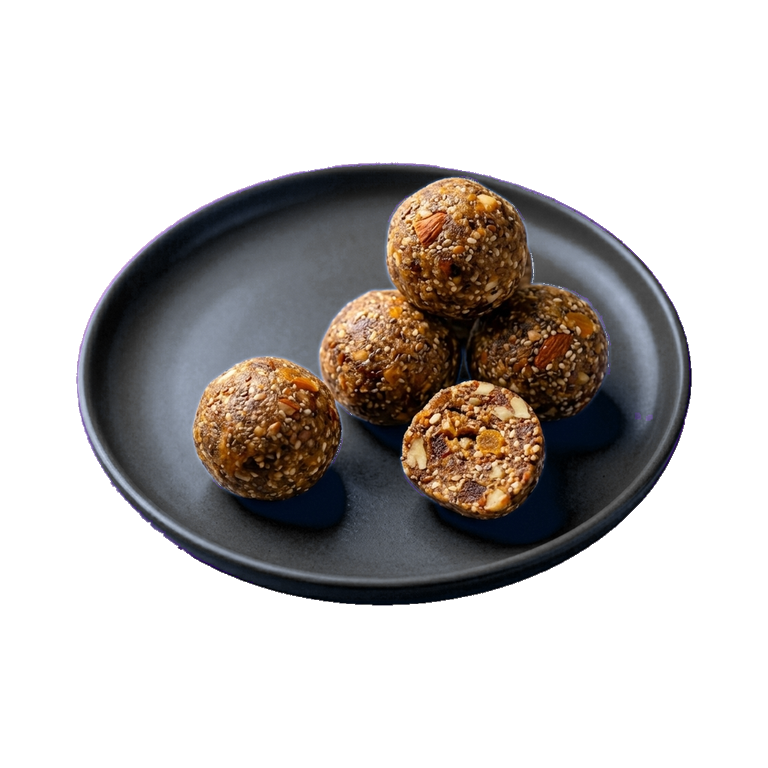
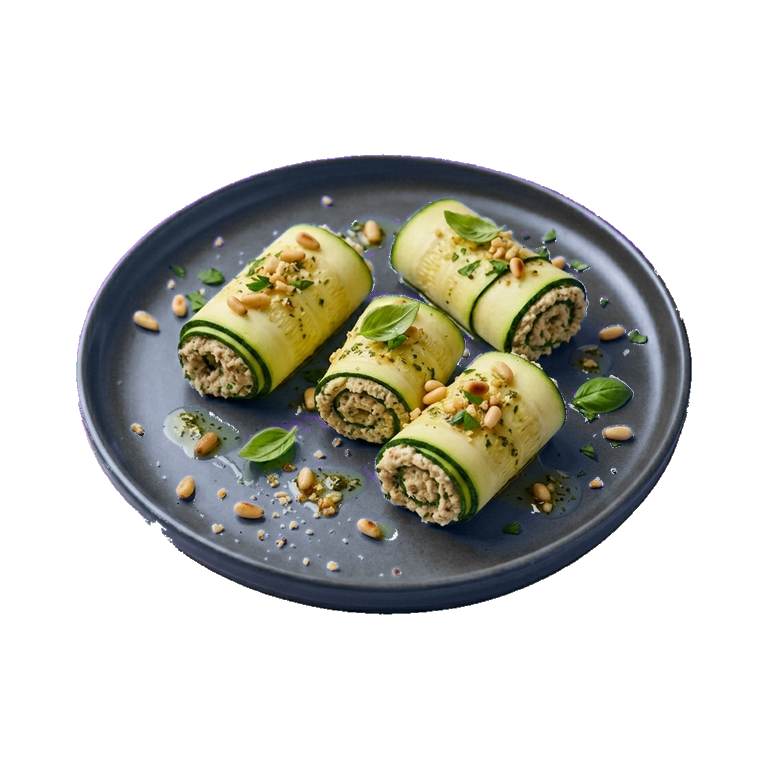
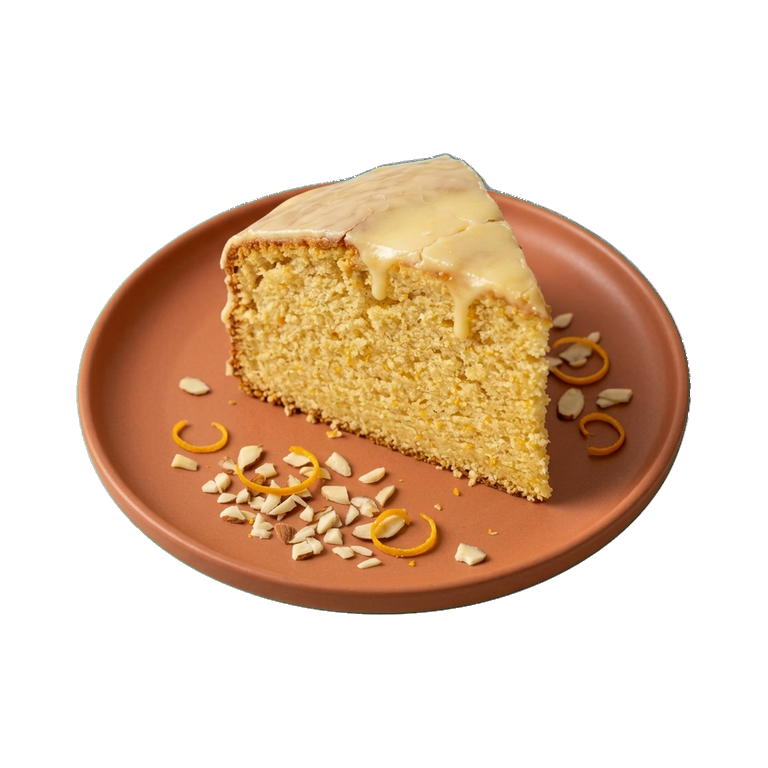
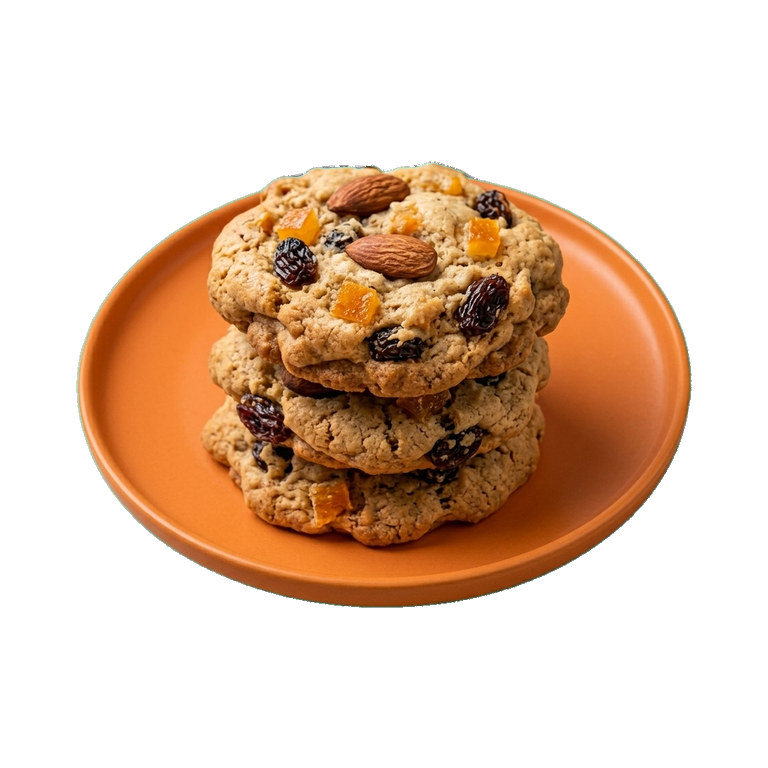
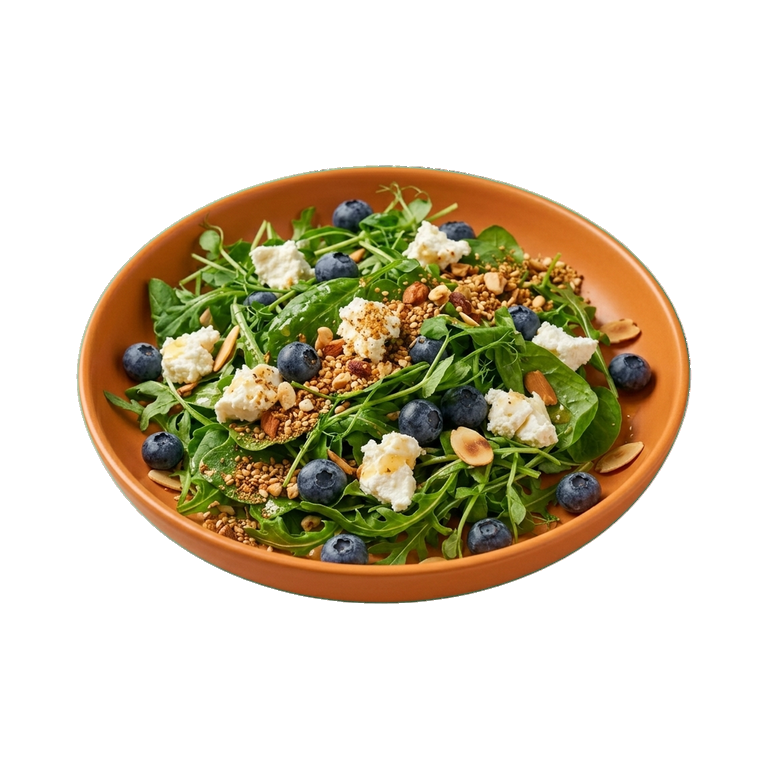
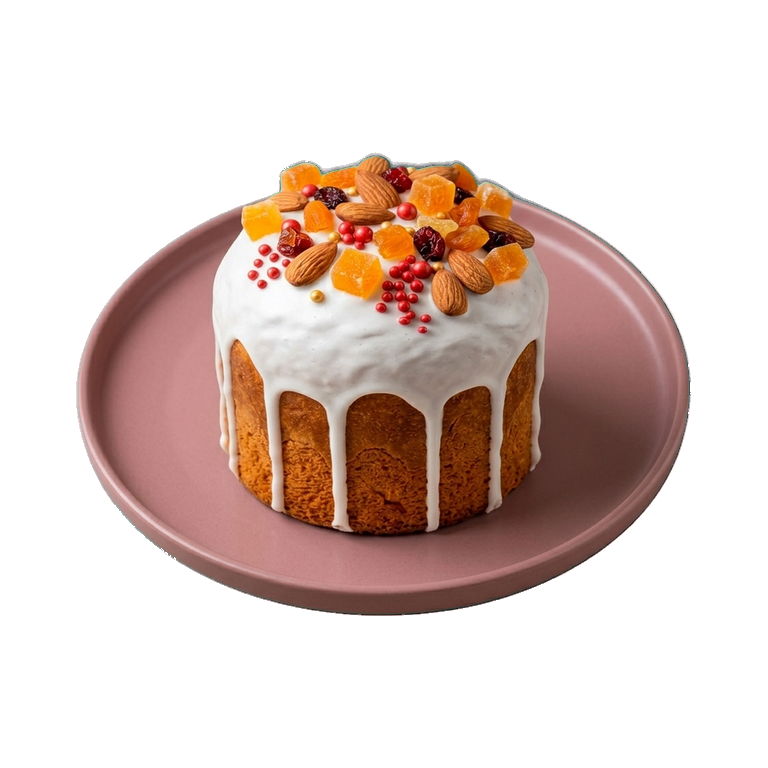
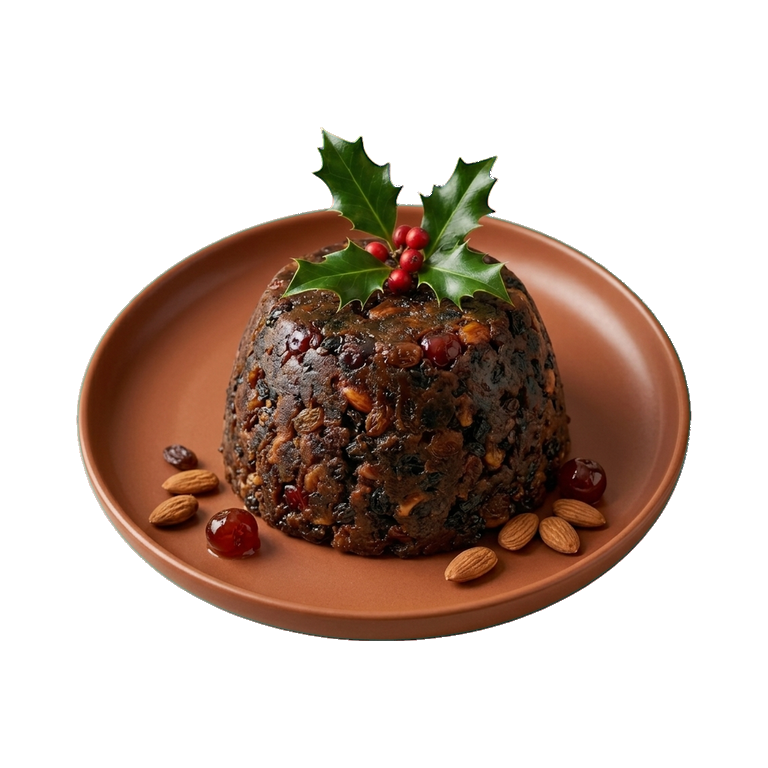
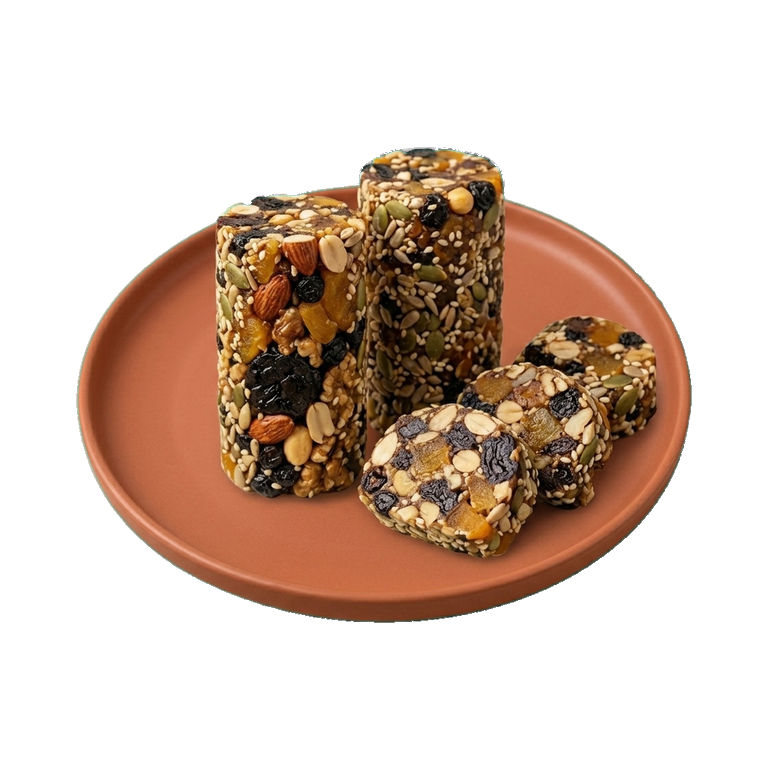
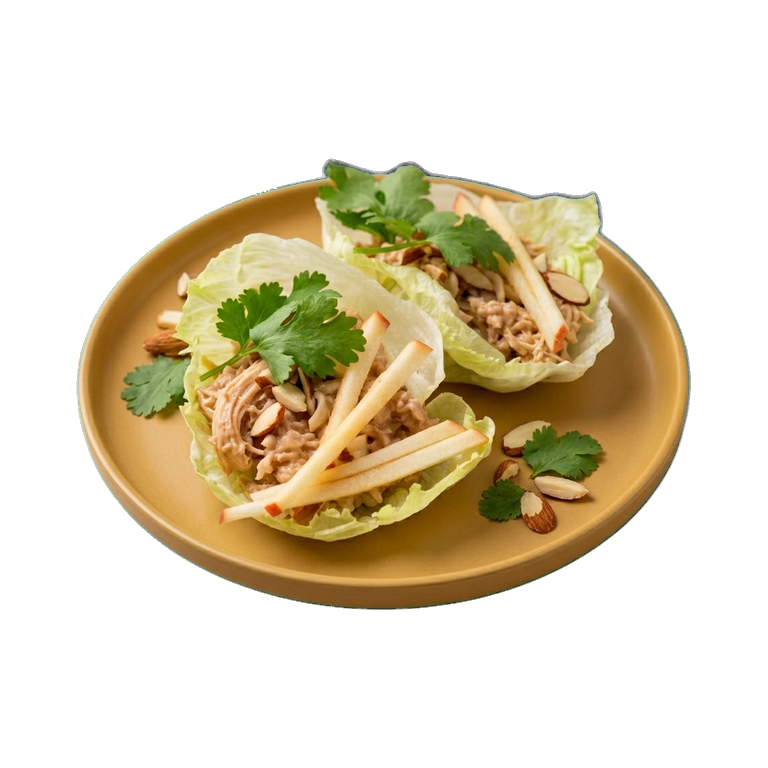
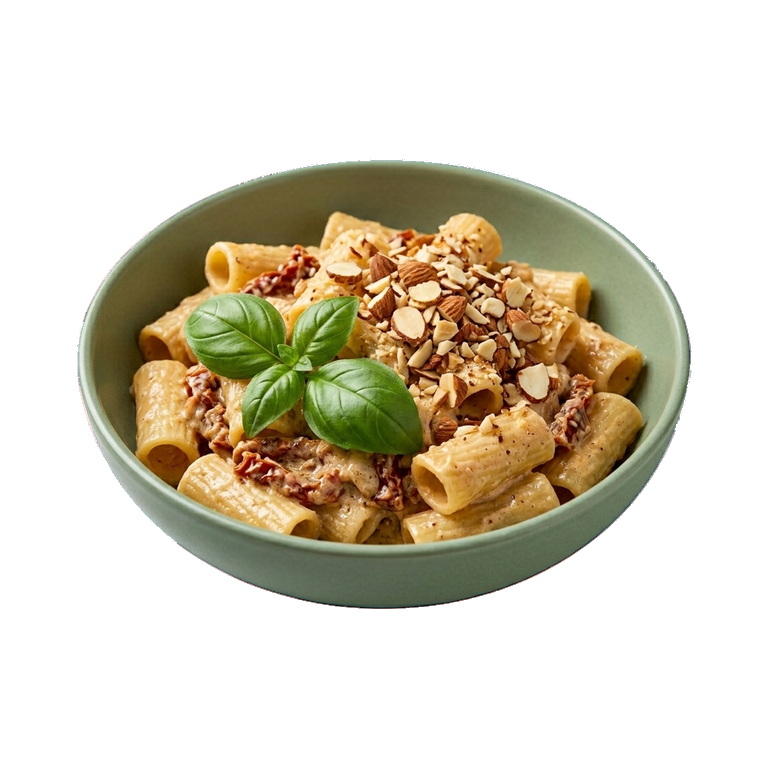
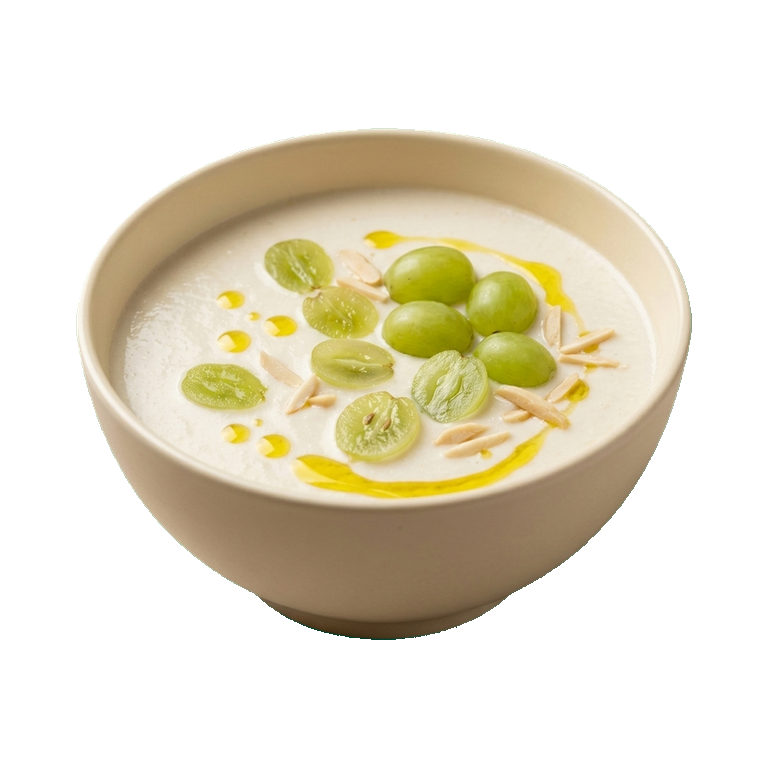
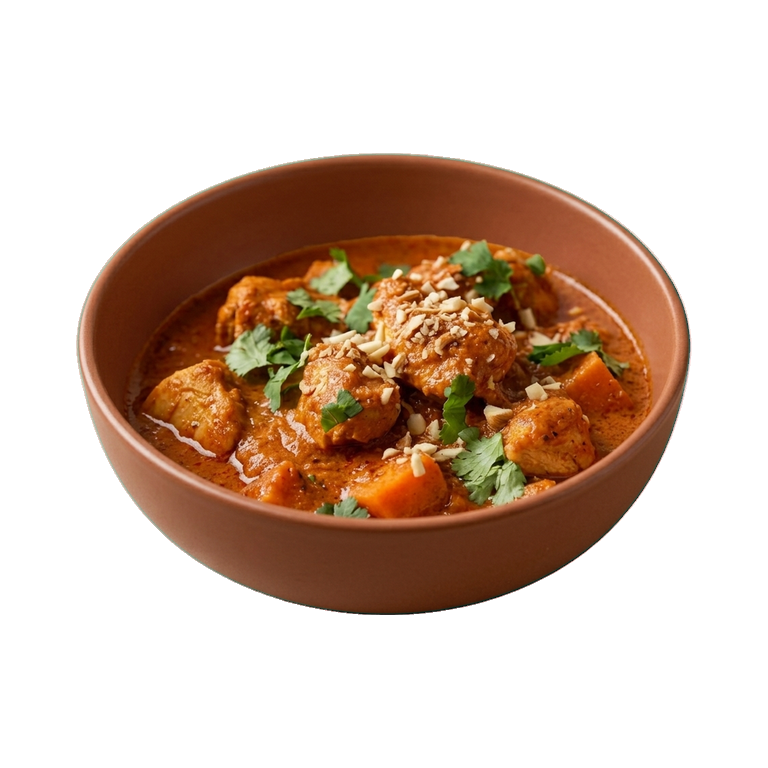
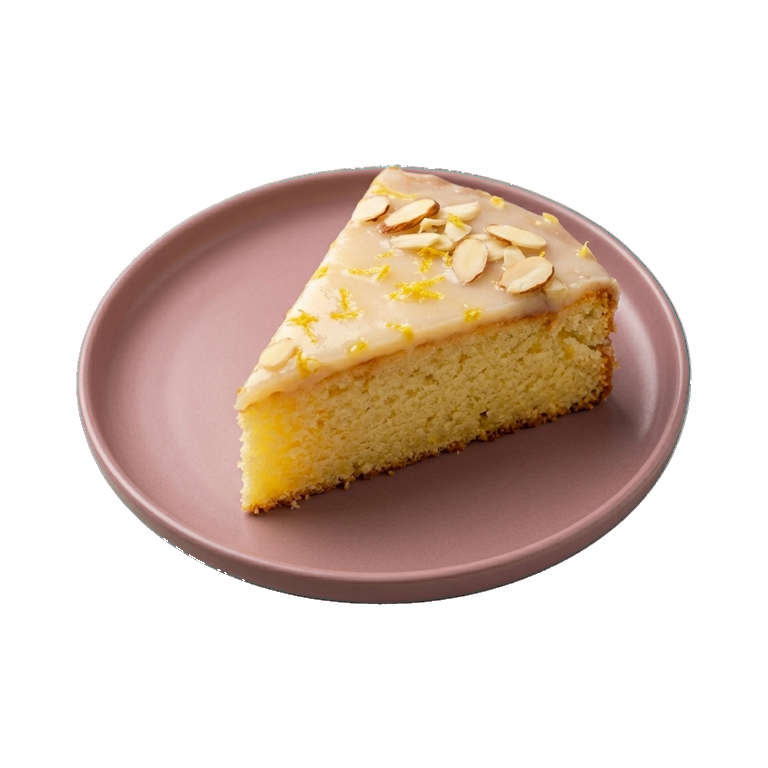
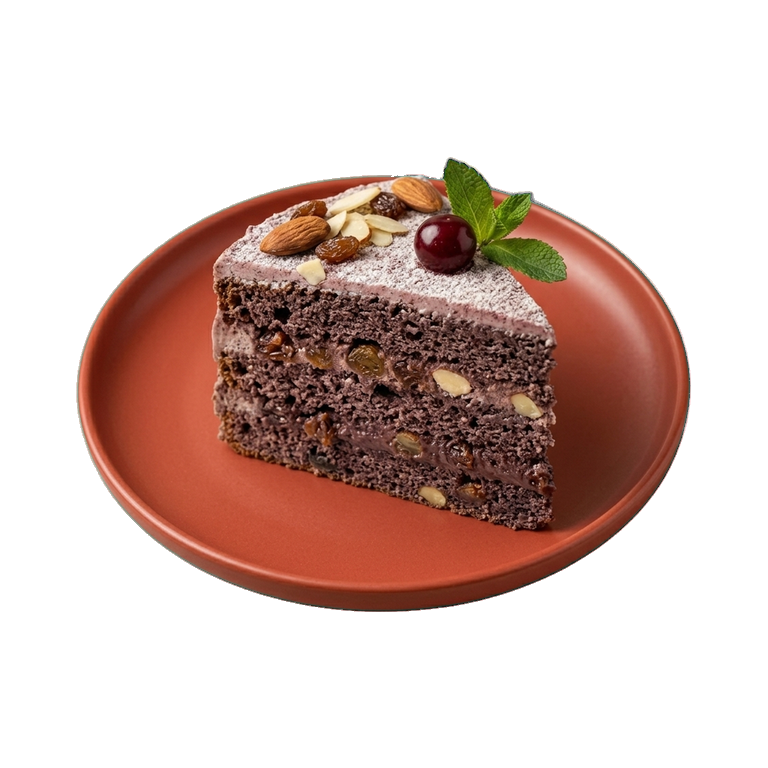
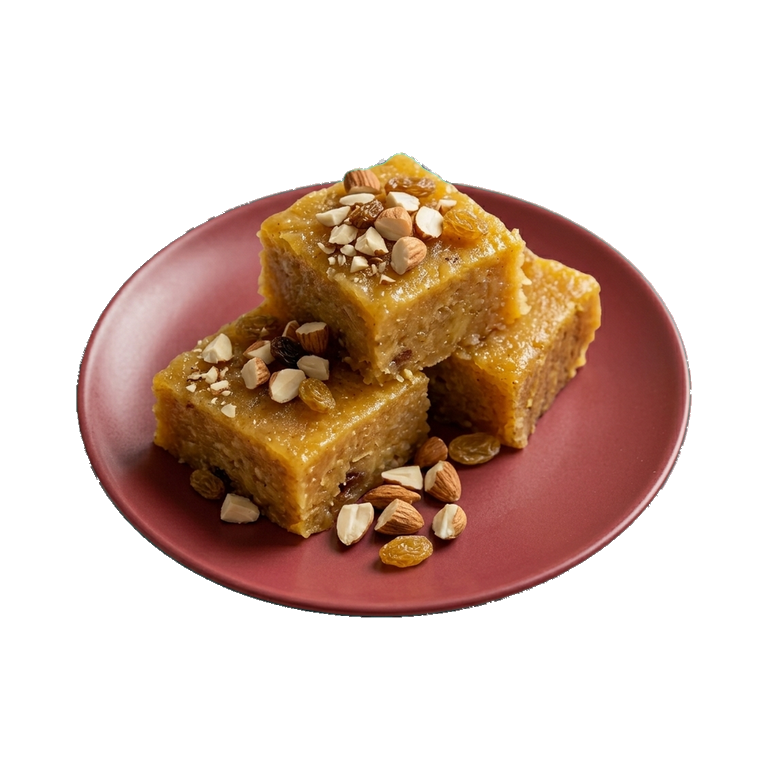
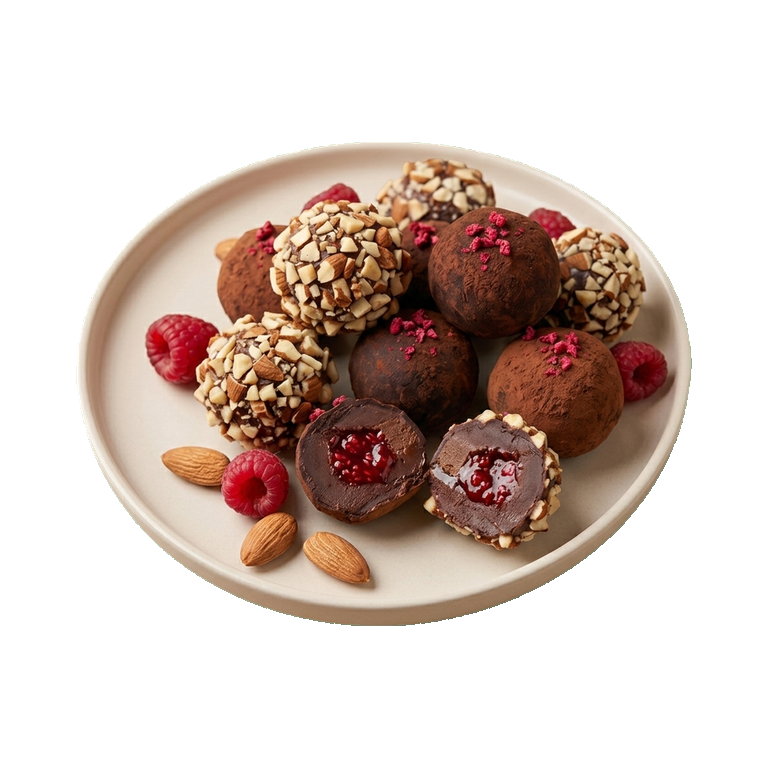
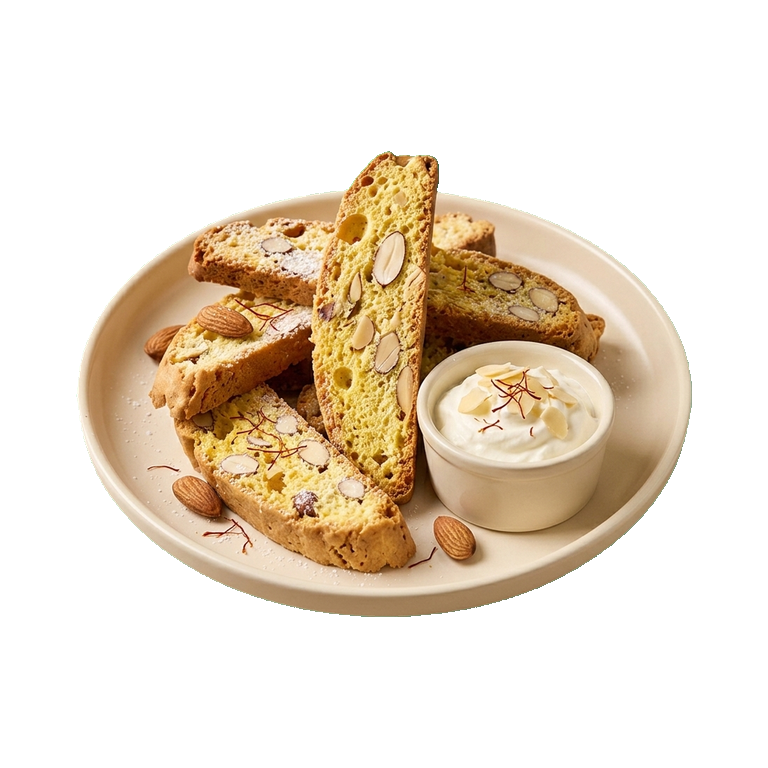
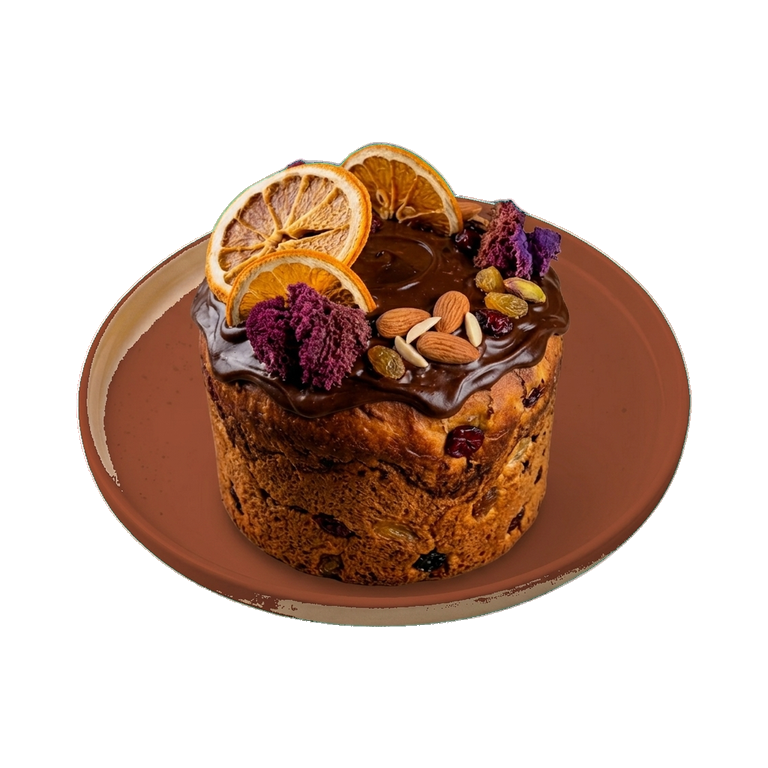
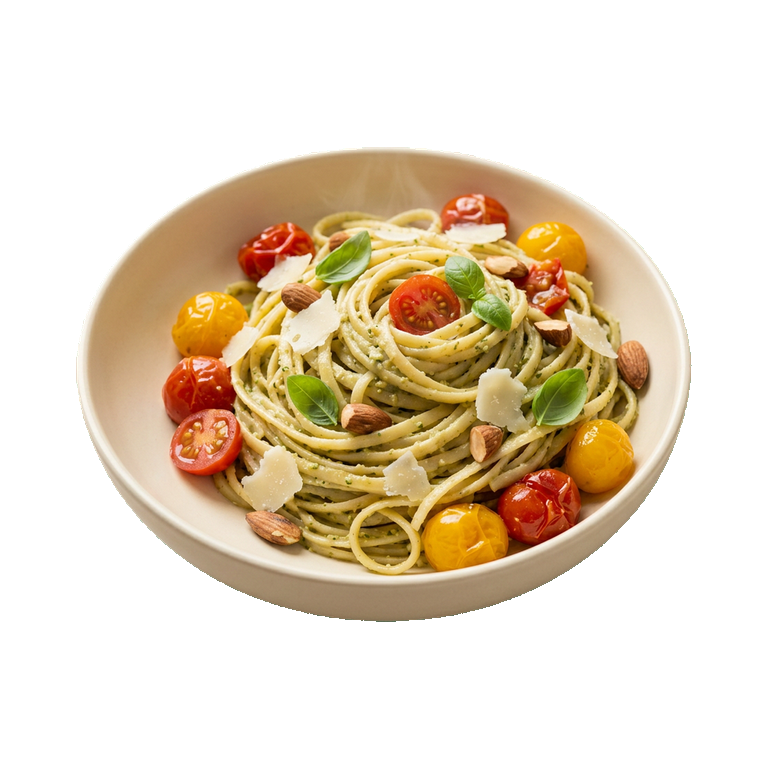
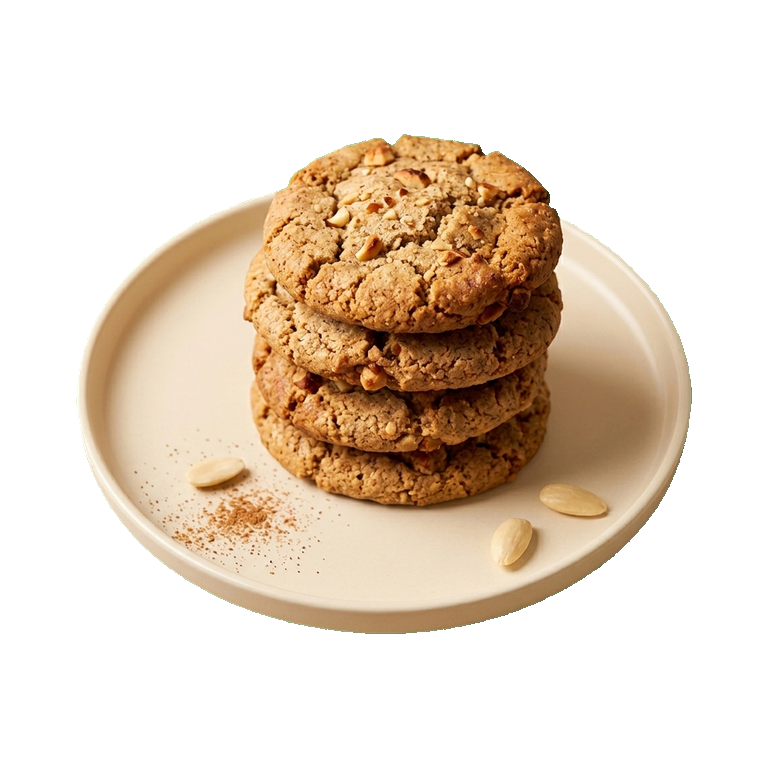
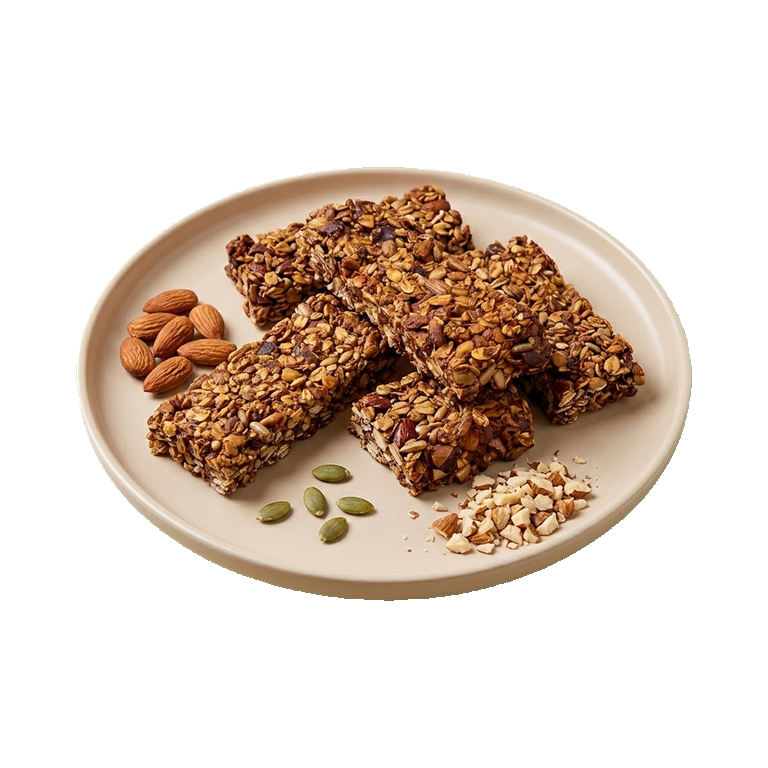
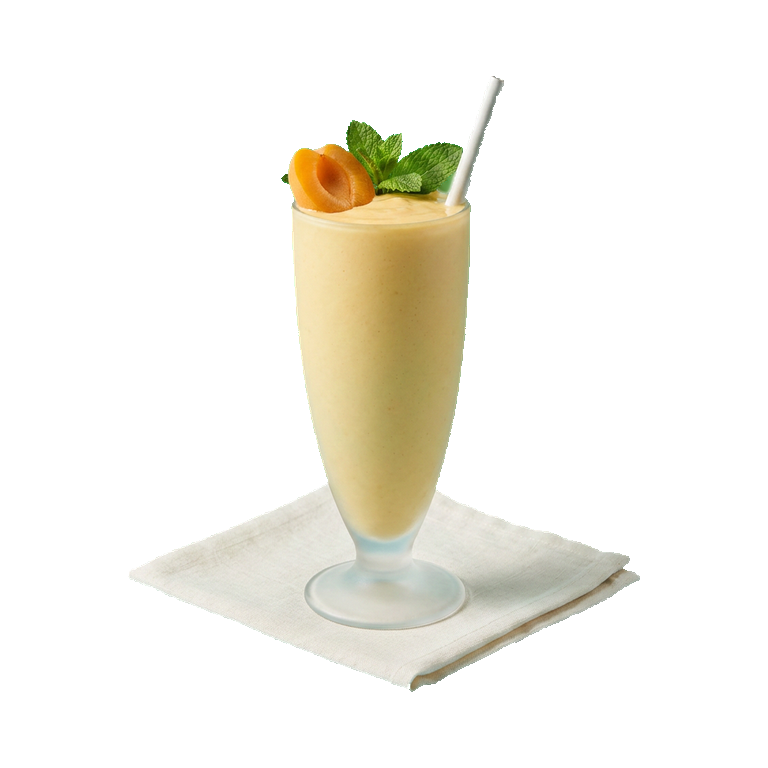
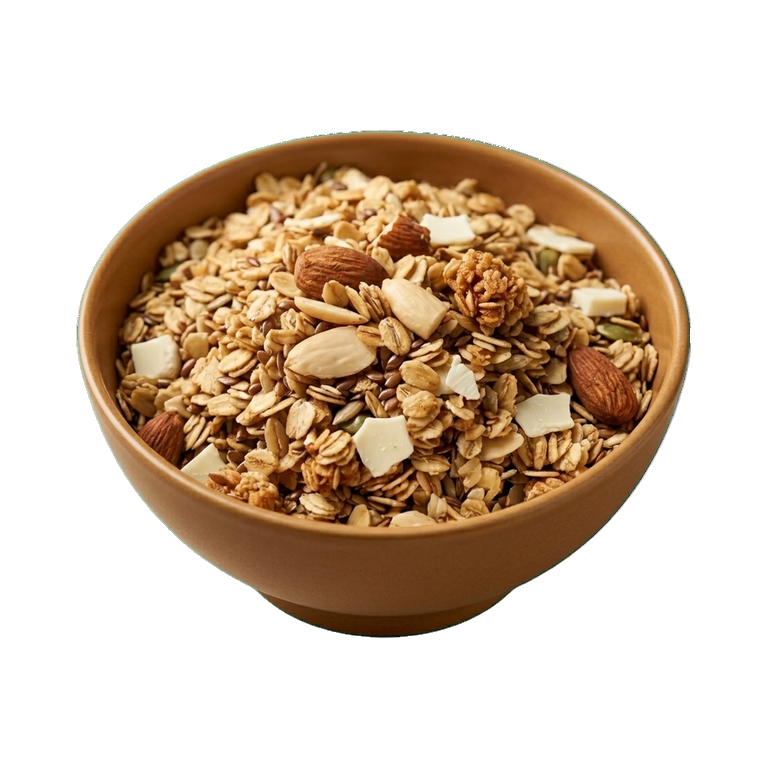
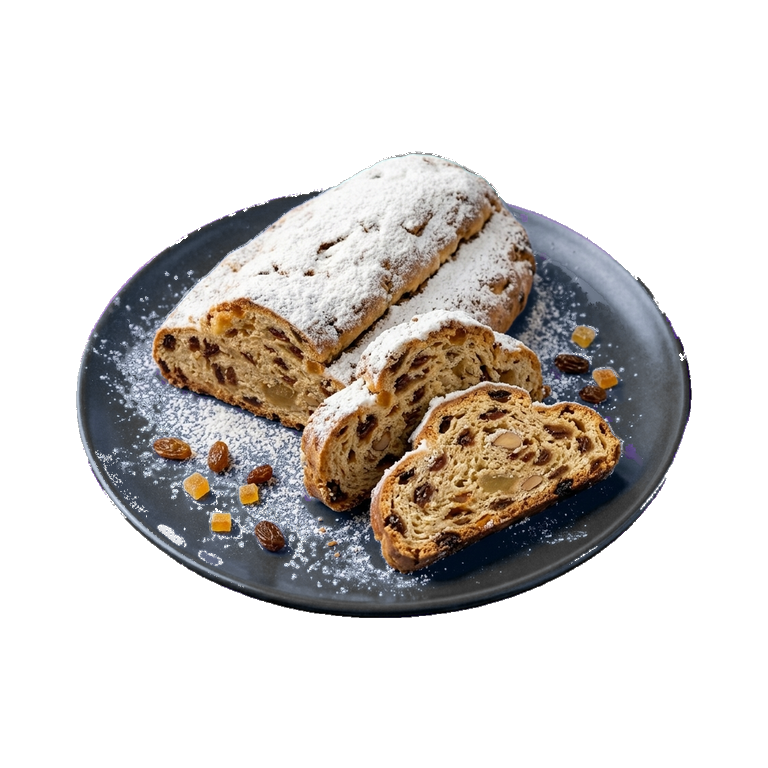
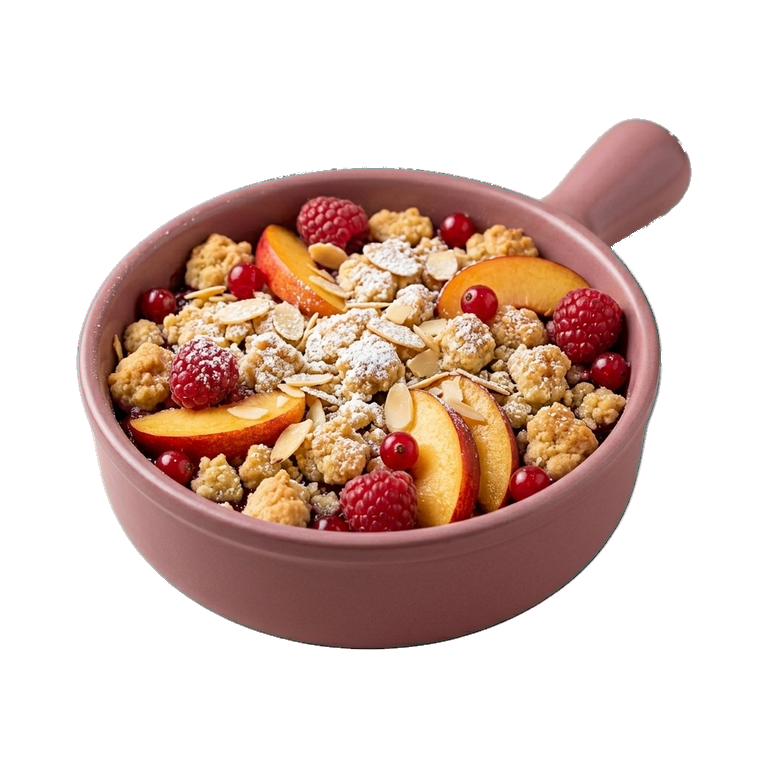
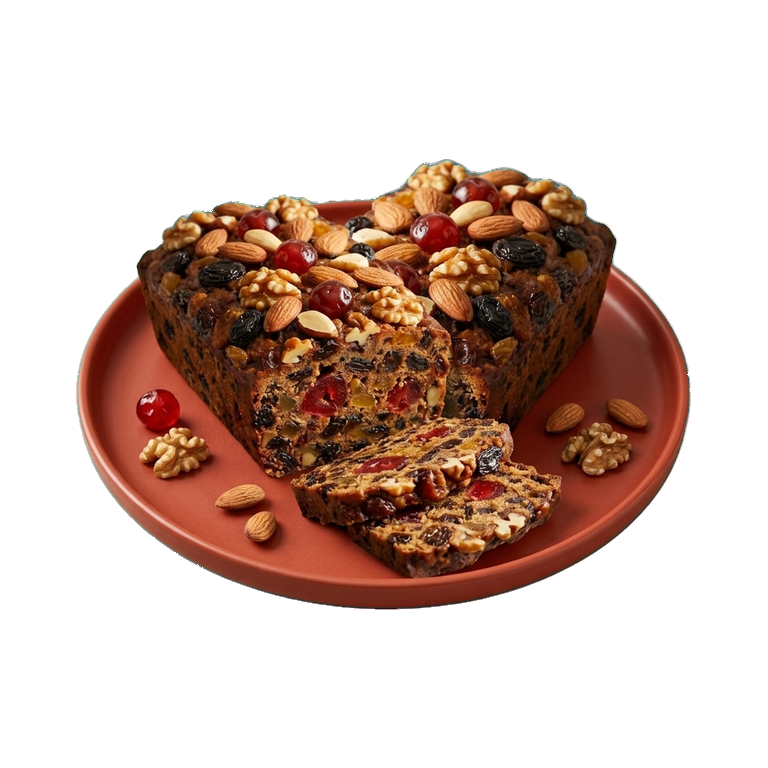
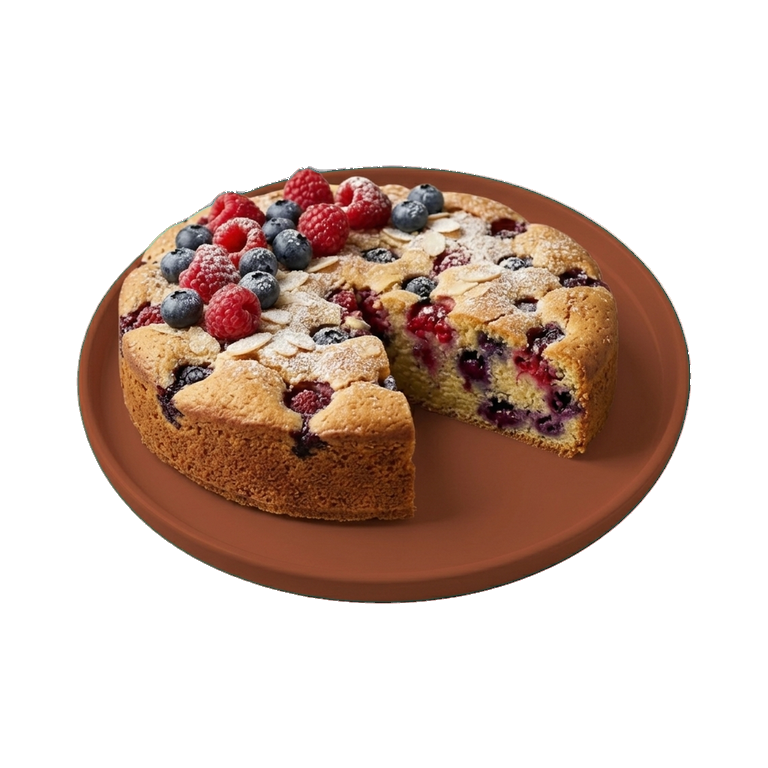
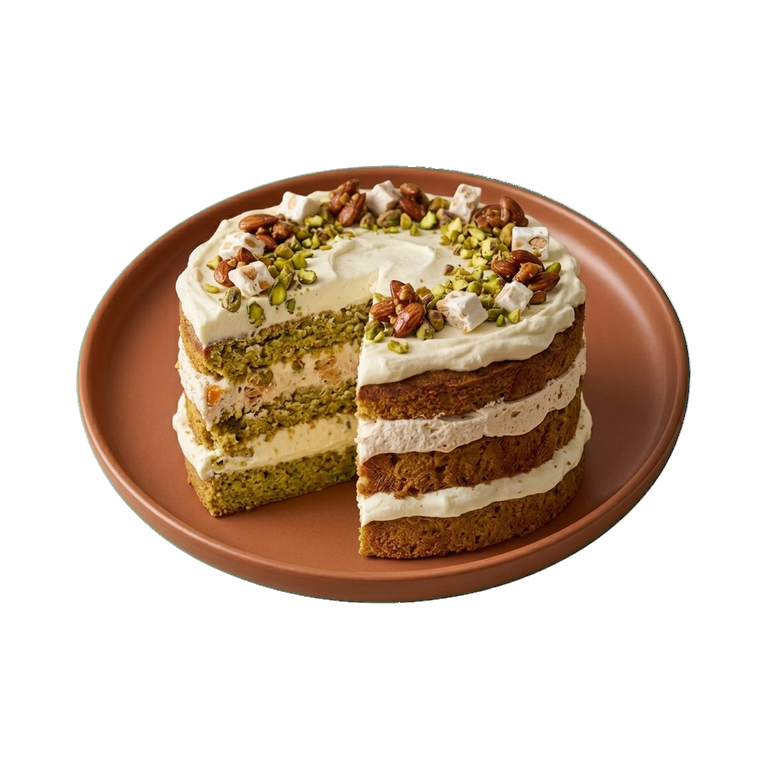
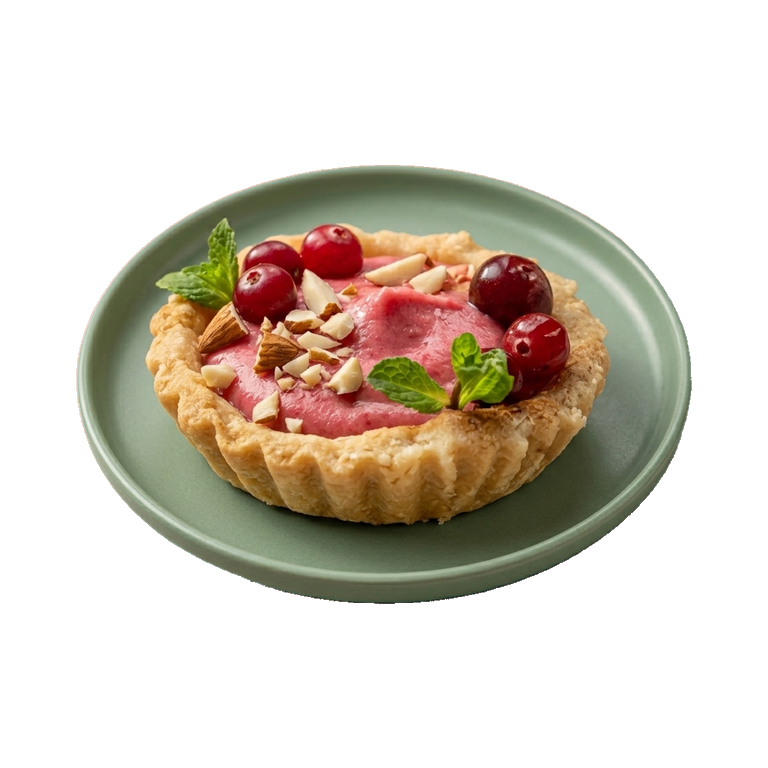
In sweet dishes, almonds work at full capacity. They are added to cookie dough, pies and cakes, made into paste for fillings, and used for decoration. Almond flour is an excellent base for gluten-free baking and low-carb desserts. In savory cuisine, roasted almonds pair well with vegetables, chicken, fish and herbs. It adds texture, nutrition and a subtle nutty background to dishes without overpowering the main flavors.
Successful Pairings
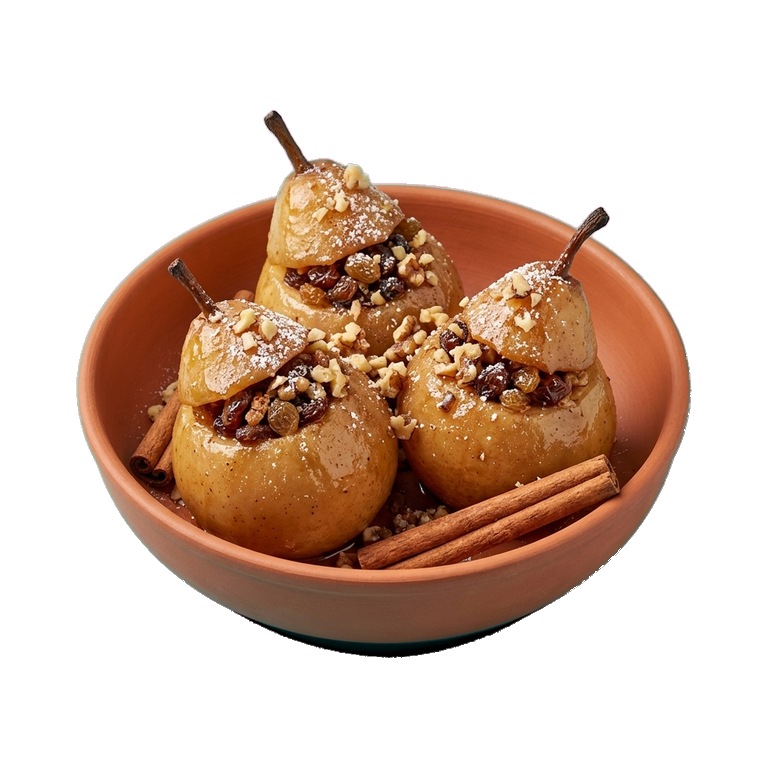
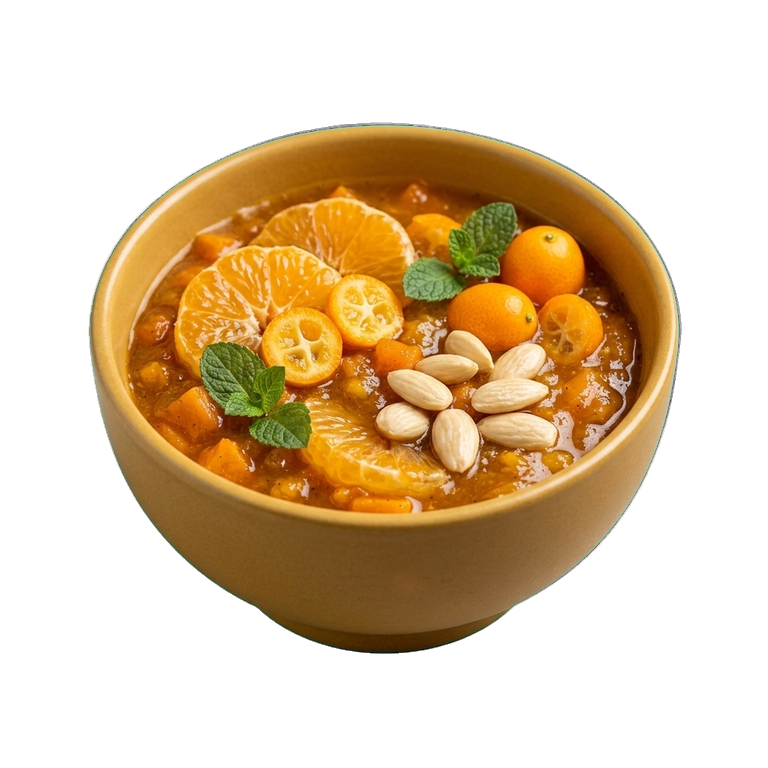
- With fruits: pear, apple, apricot, fig, orange
- With spices: cinnamon, cardamom, ginger, vanilla, nutmeg
- With proteins: chicken, fish, seafood, cottage cheese, yogurt
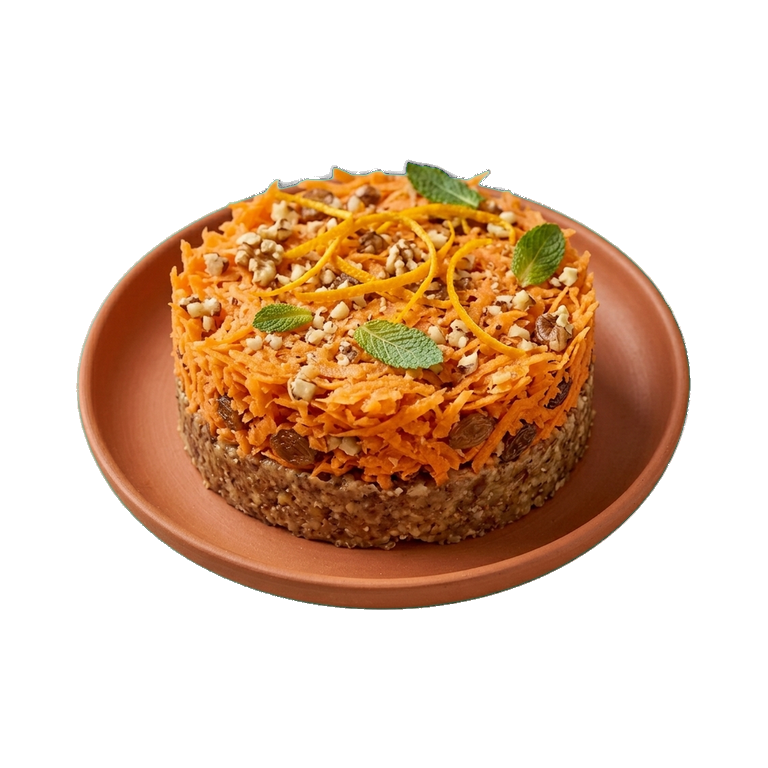
- With vegetables: carrot, beet, spinach, broccoli, eggplant
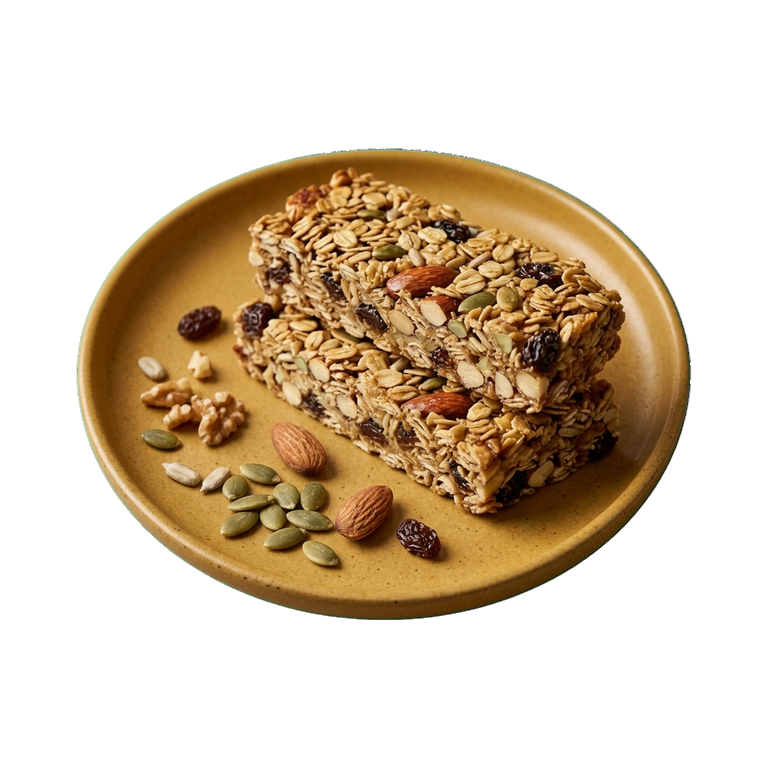
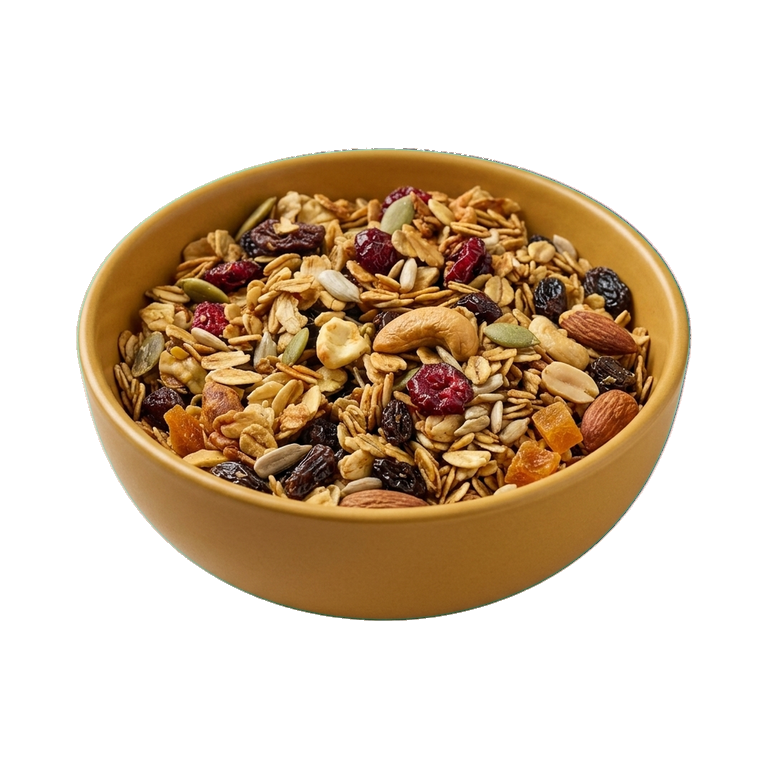
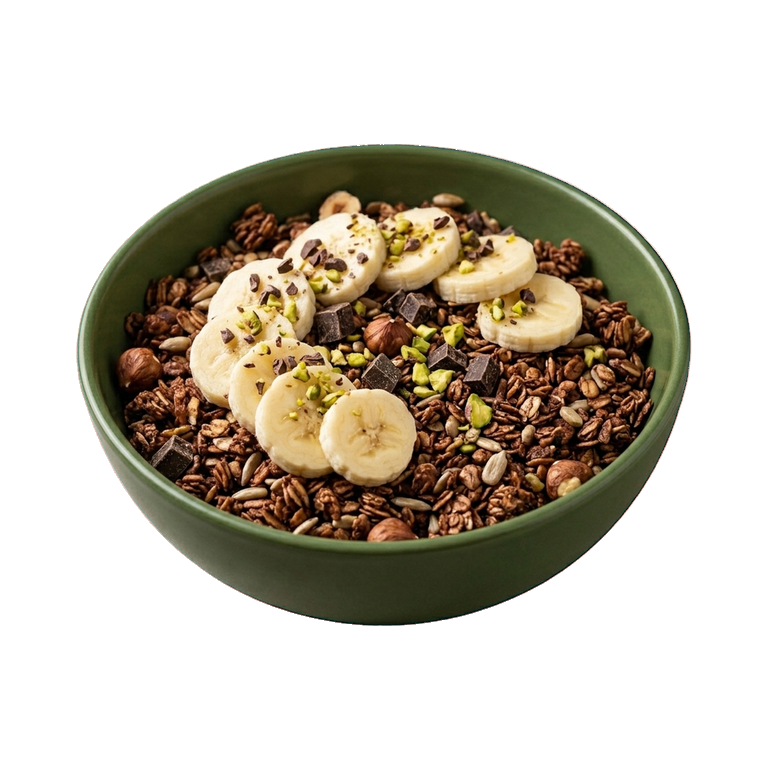
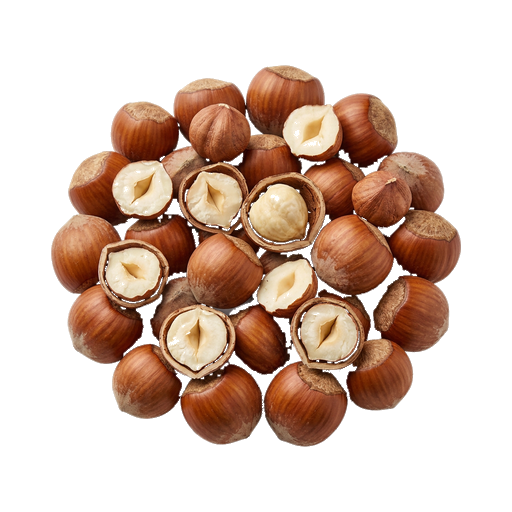
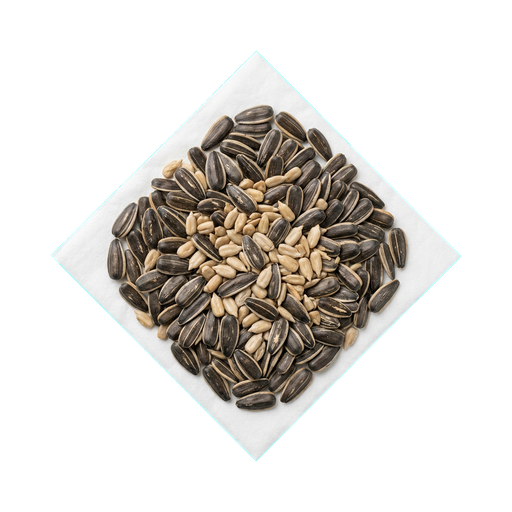
- With other nuts and seeds: hazelnut, walnut, cashew, sunflower seeds
Selection and Storage
When purchasing, pay attention to the smell — almonds should not smell like mold or bitterness. The kernels should be whole, without cracks and dark spots. If you are buying already shelled almonds, choose a package with the production date indicated. Whole almonds in the shell last the longest — up to a year in a cool place. Shelled almonds are best kept in an airtight container in the refrigerator or freezer to prevent the oil from oxidizing. Ground almonds and almond oil require cold storage and quick use.
Before using almonds, it's useful to lightly roast them in a dry skillet — this will reveal their flavor and make the texture more pronounced. Even five minutes over medium heat will noticeably improve the dish.
Nutrition
per 100 g
- Calories
- 579 kcal
- Protein
- 21.1 g
- Fat
- 49.9 g
- Carbs
- 21.6 g
Measures and weight
- 1 tbsp
- 9 g
- 1 tsp
- 3 g
- 1 cup
- 150 g
- 1 pcs
- 1.2 g
Measure calculator
- Weight
- 100 g
- Calories
- 579 kcal