Usuba
Usuba
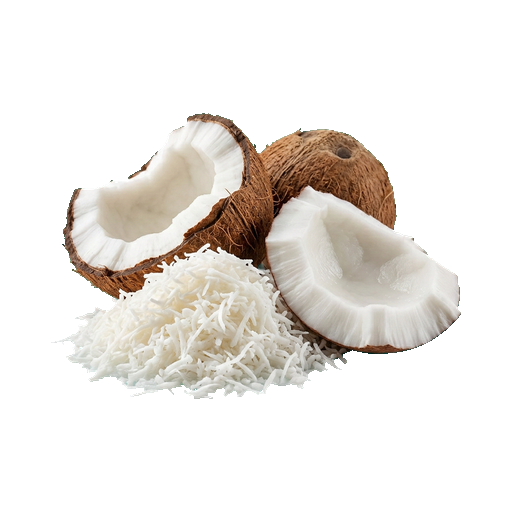
Coconut shavings
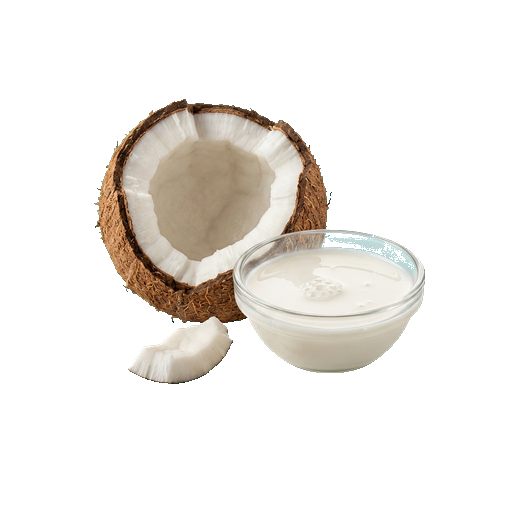
Coconut shredded is dried and ground coconut meat that gives dishes a slightly sweet taste and a light nutty aroma. It is used in baking, desserts, porridge and sweet drinks, as well as in some Asian dishes. When choosing, pay attention to the moisture content of the product — shredded coconut that is too moist can quickly become moldy, and shredded coconut that is too dry will lose its aroma.
About
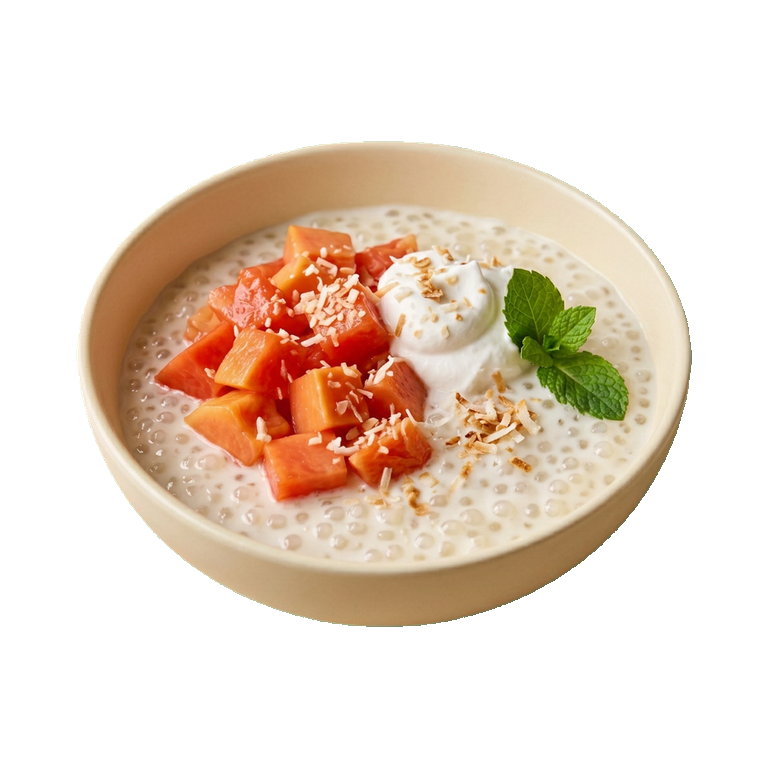
Coconut shreds are dried coconut meat cut into thin strips or grated. In cooking, they work simultaneously as an ingredient and as a texture element: they add sweetness, create crunch, and give dishes a distinctive coconut aroma. The shreds come in different degrees of fineness — from large flakes to almost powder — and the choice depends on what you are preparing.
Aroma and Taste
Coconut shreds have an intense, recognizable aroma — sweet and slightly oily. The taste depends on the processing method: unsweetened shreds emphasize the natural coconut flavor with a slight bitterness, while the sweetened version works as a ready-made component for desserts. If you're buying shreds for the first time, keep in mind that their aroma is quite persistent and can dominate the dish if you use too much.
Role in dishes
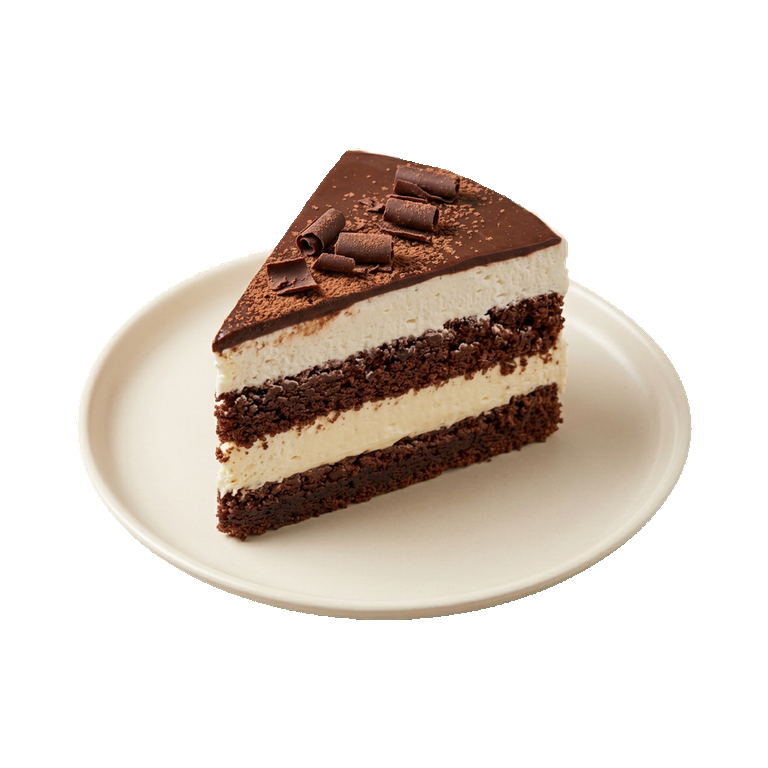
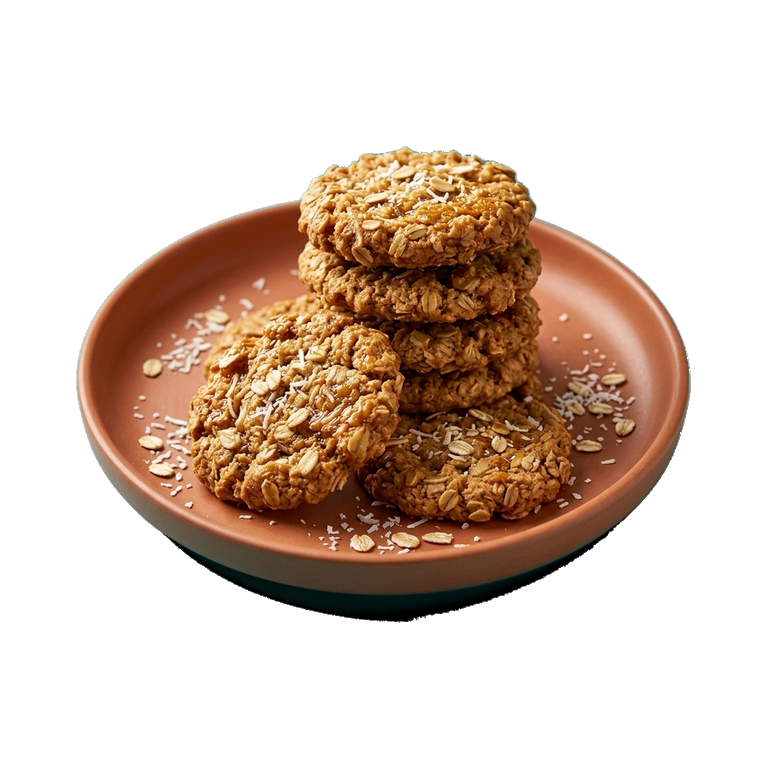
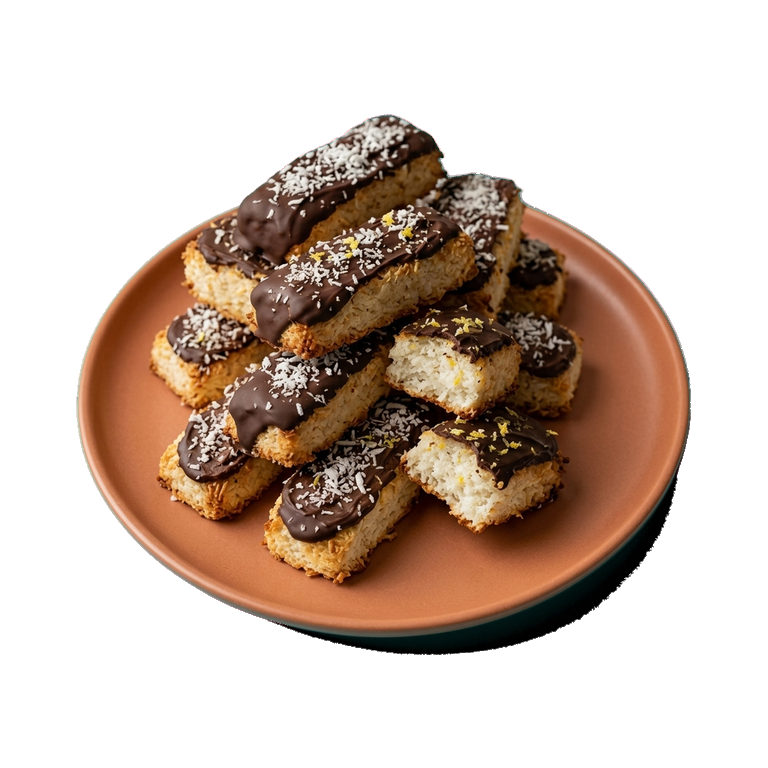
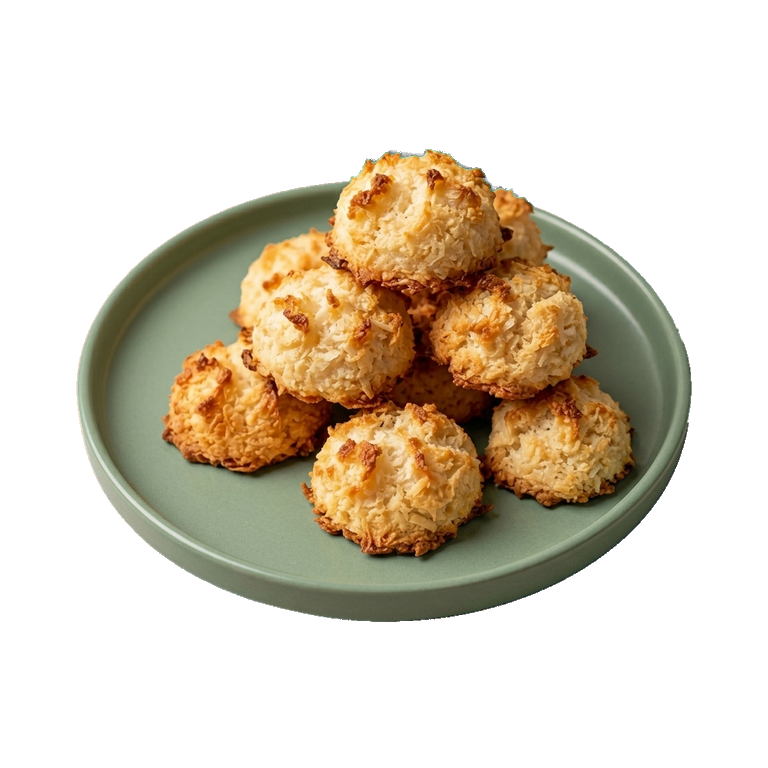
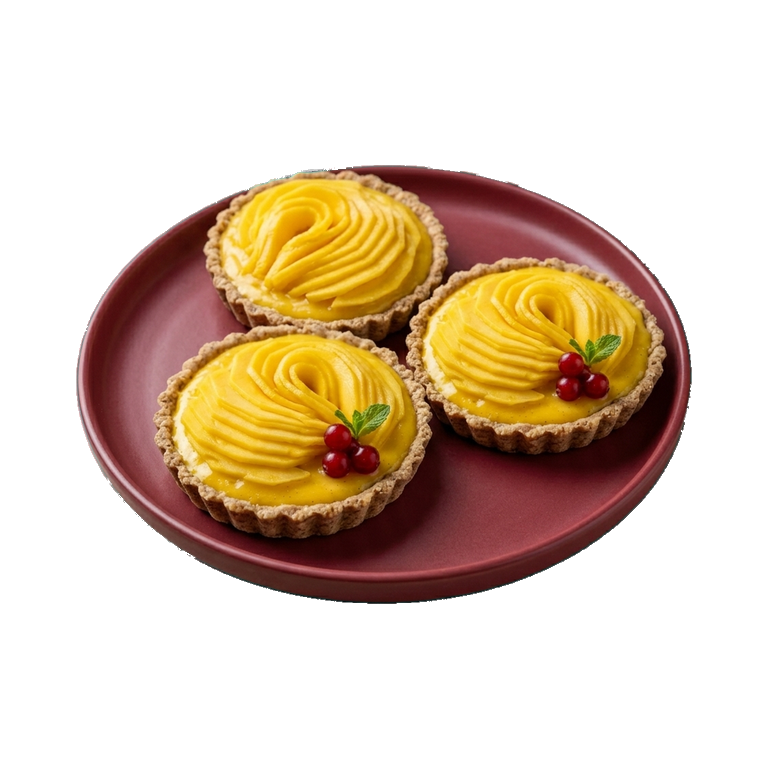
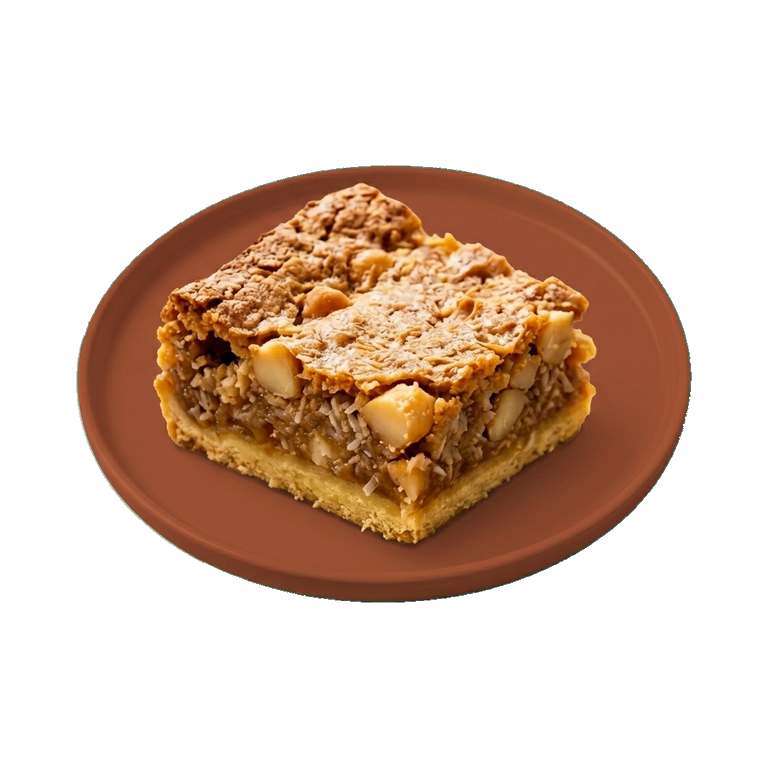
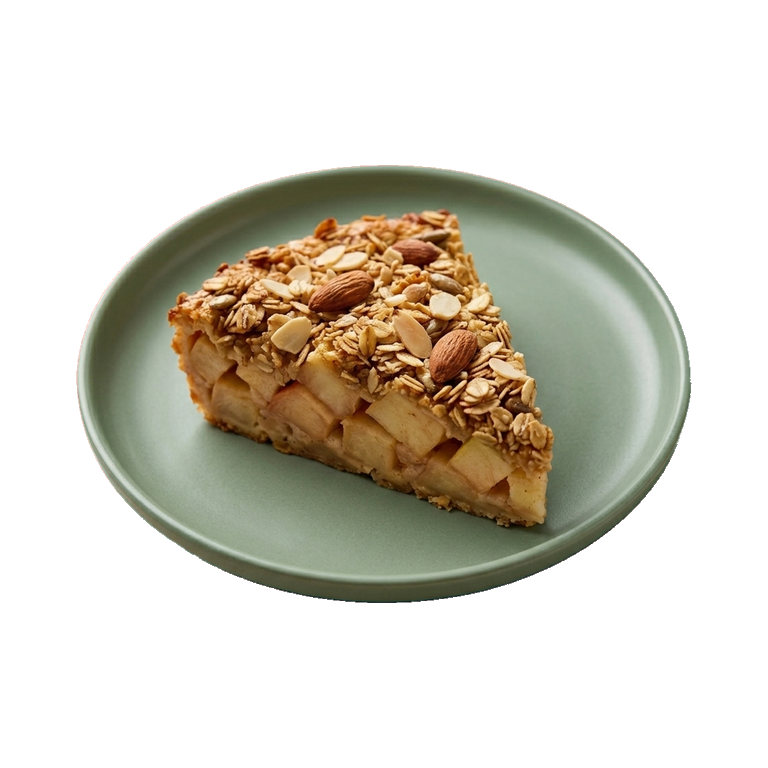
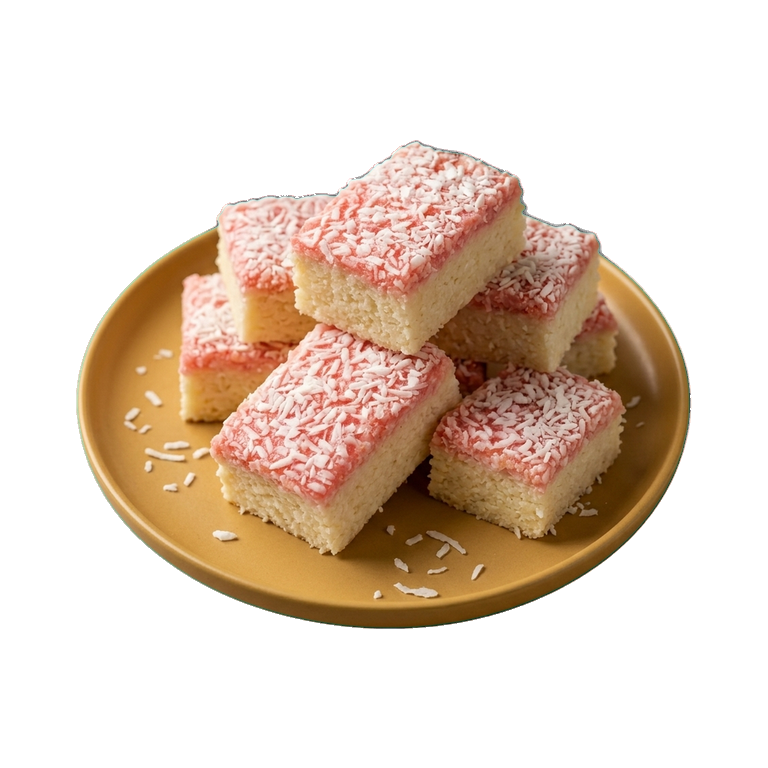
- Baking and desserts — coconut cookies, cupcakes, cakes. Shredded coconut here is not just a flavoring, but also a structural element that absorbs moisture and makes the texture more crumbly.
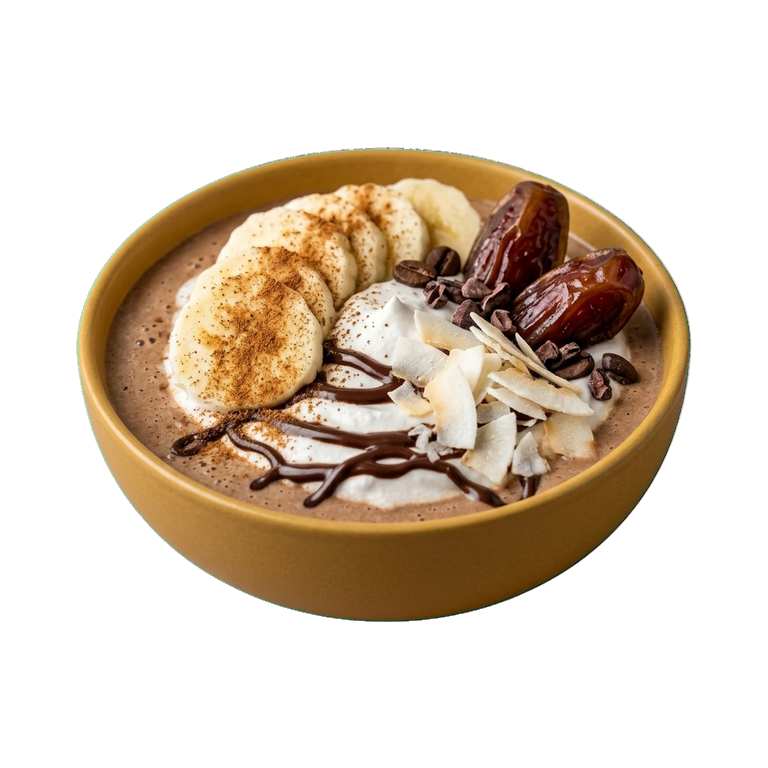
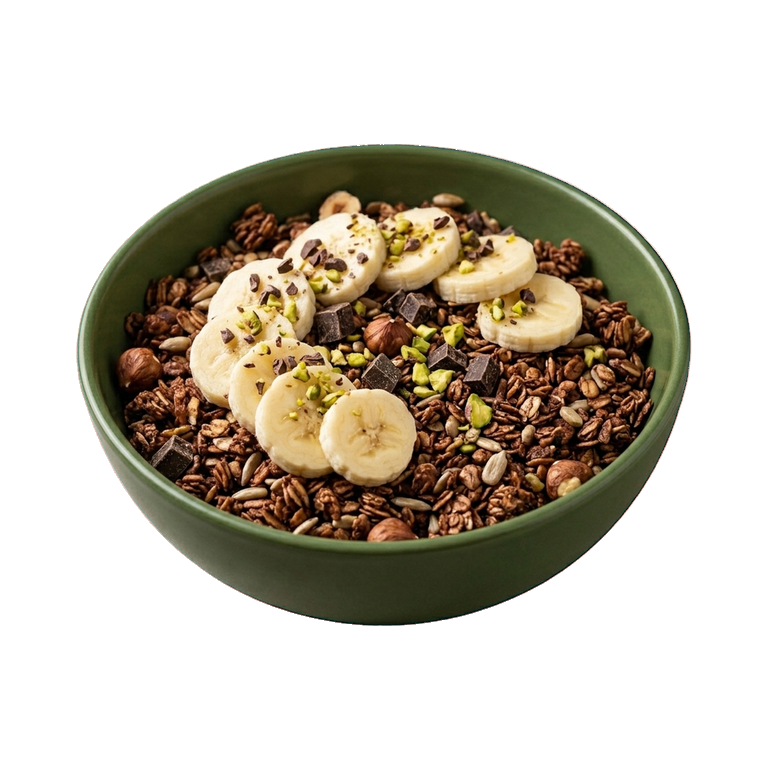
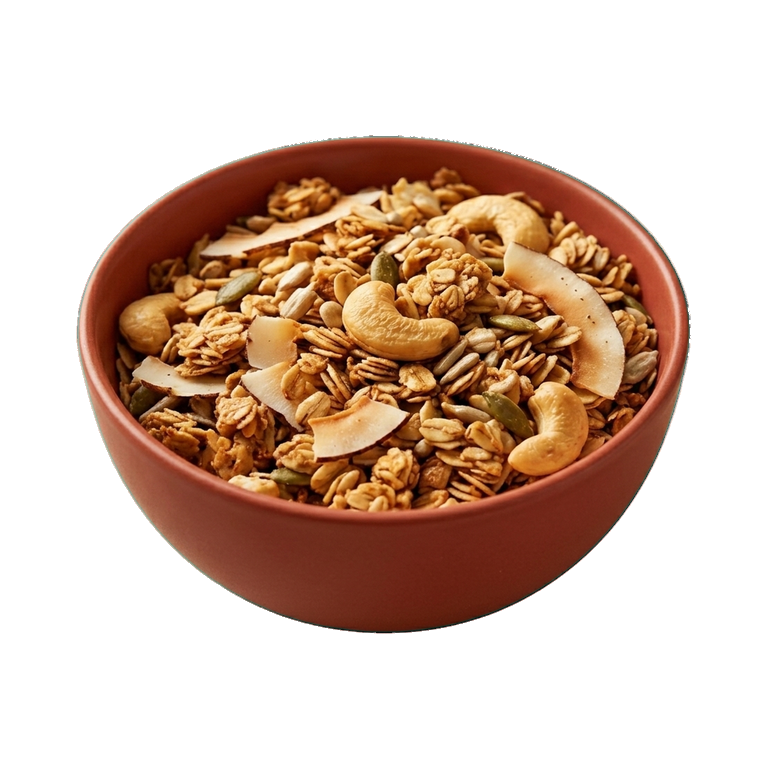
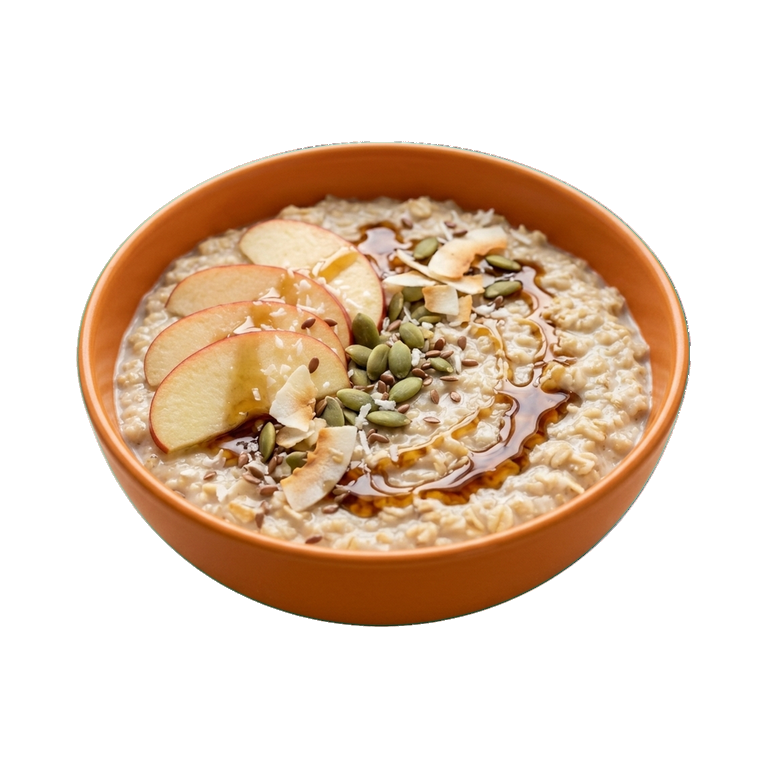
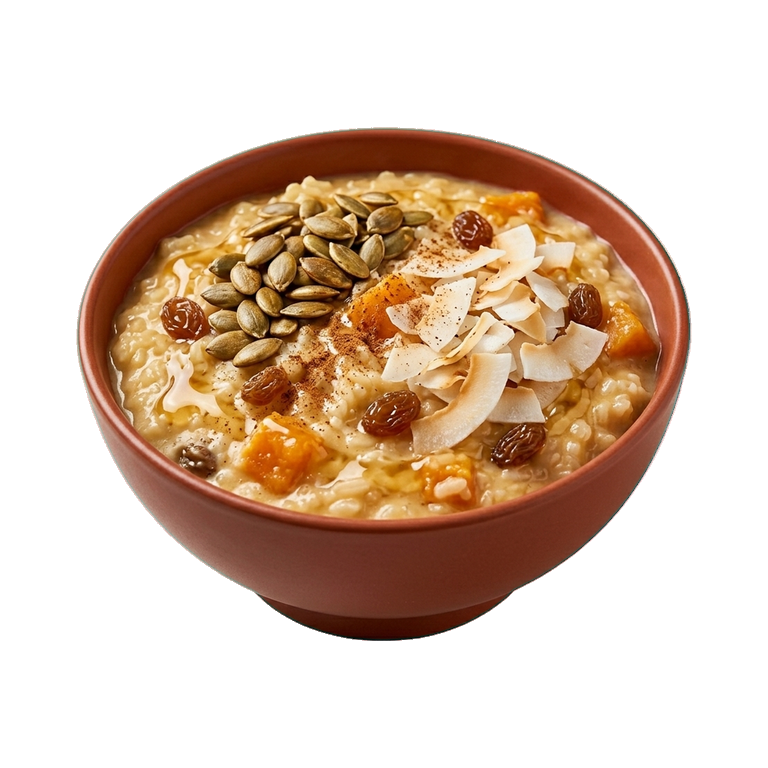
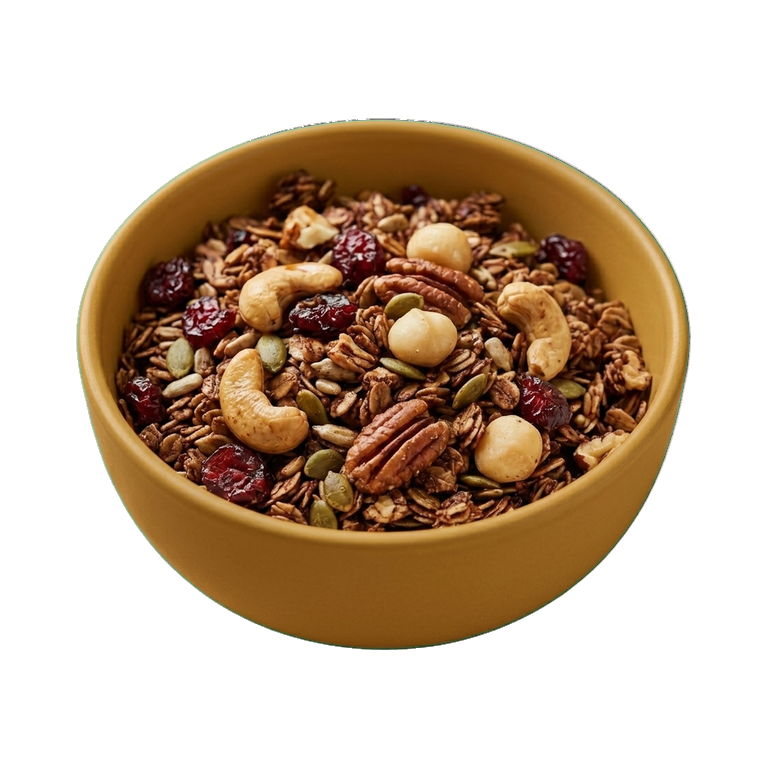
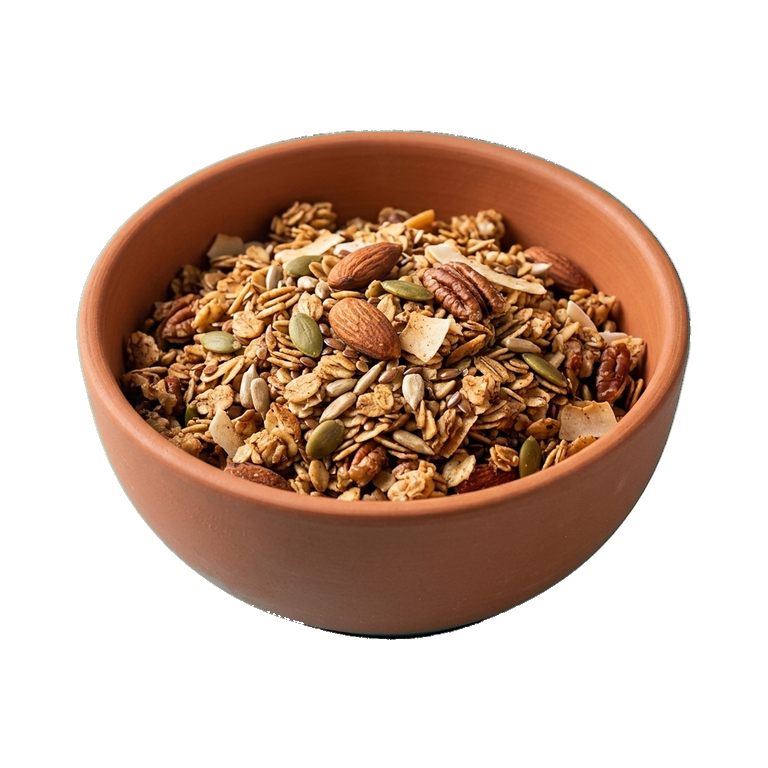
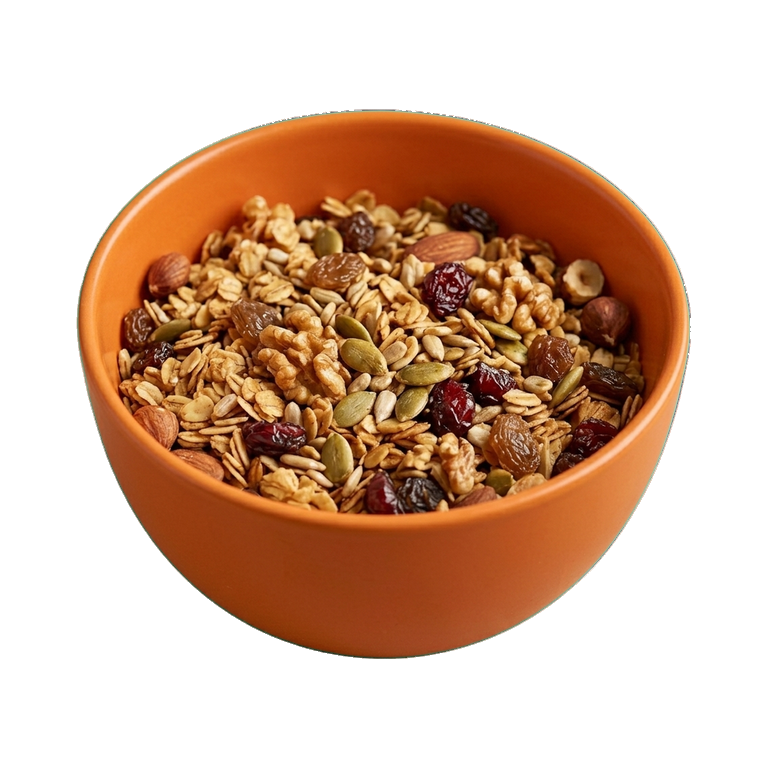
- Cereals and granola — a topping that adds crunch and sweetness to breakfast.
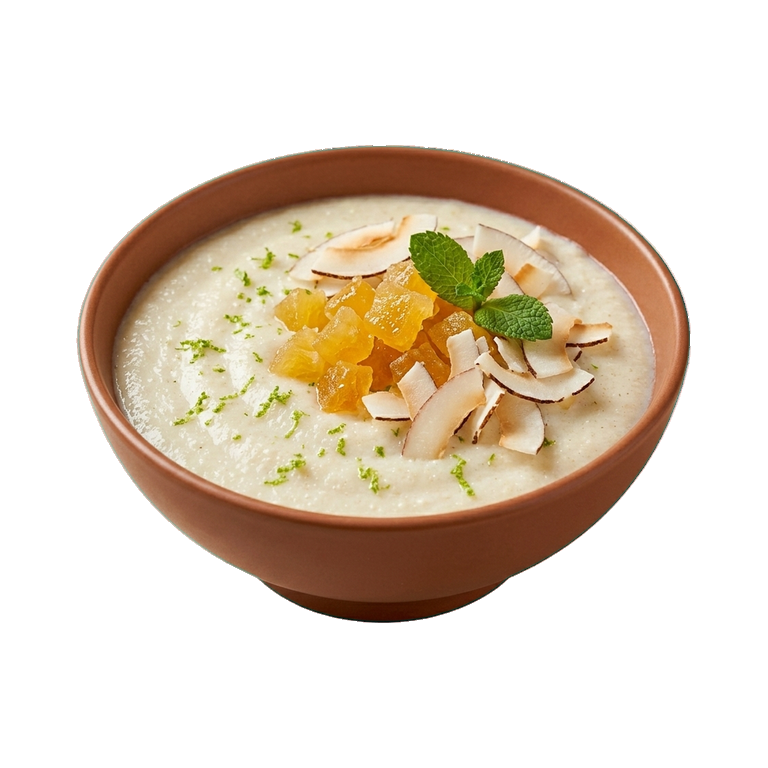
- Asian cuisine — a main ingredient for coconut sauces, soups, and curries. Here unsweetened shredded coconut or even coconut milk, which is made from it, is used.
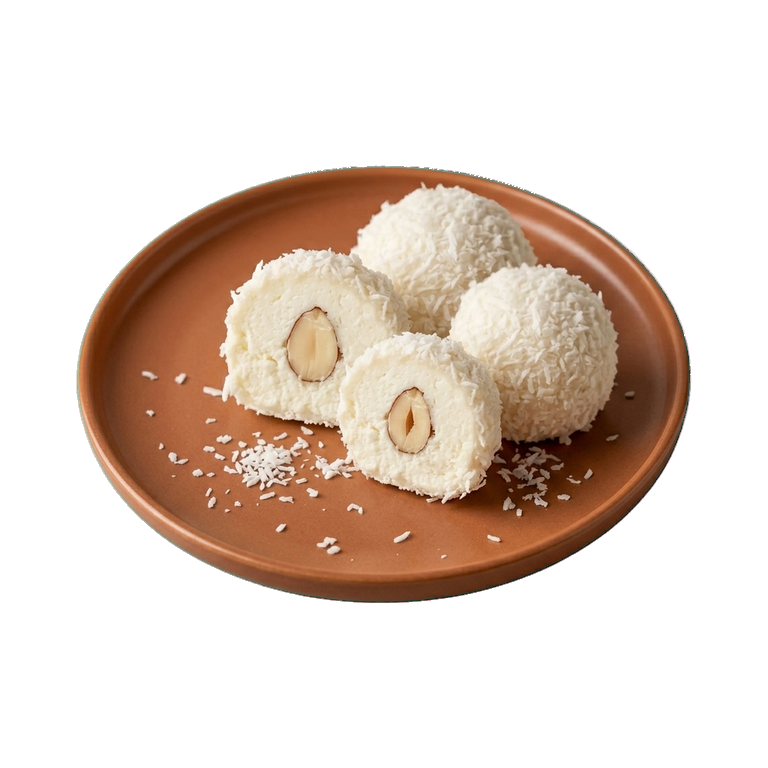
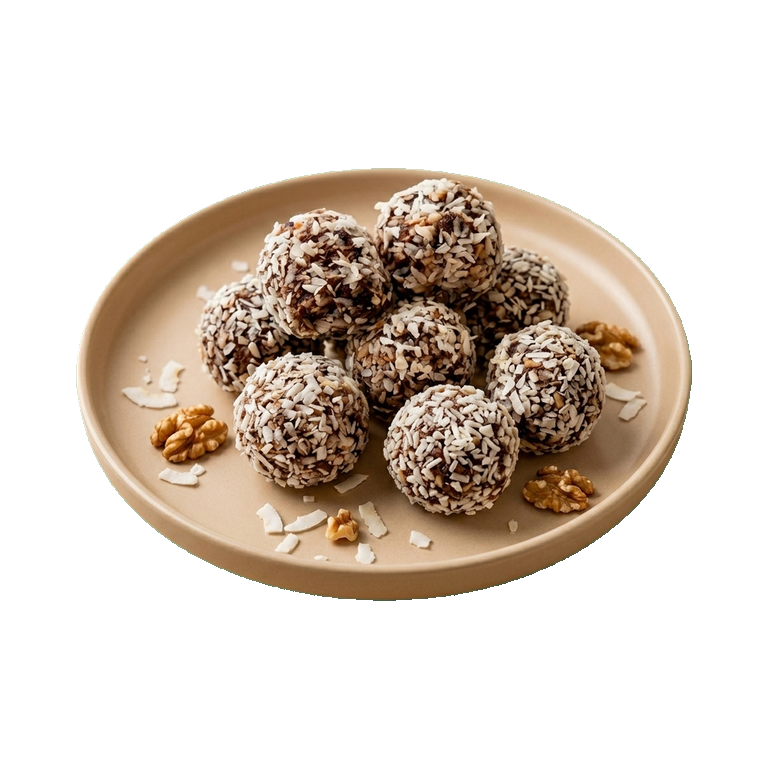
- Candies and energy balls — coconut shreds are bound with oil, cocoa, or nut butter and become the base.
- Breading — fine shreds adhere well to a moist surface and create a golden crust when frying.
Pairings
Coconut shavings pair well with vanilla, cinnamon, cardamom, and ginger — these spices enhance its exotic character. In sweet dishes, it works with chocolate, cocoa, lemon, and lime. In savory dishes, shavings go well with lemongrass, red pepper, garlic, and fish sauce. If you're cooking something with coconut shavings, remember that its flavor is strong, so other ingredients should be either equally expressive or neutral.
Selection and Storage
- Pay attention to the packaging — the shredded coconut should be in a sealed bag or jar, with no moisture inside.
- Color — white or cream. Dark spots or a yellowish tint may indicate improper storage.
- Smell — fresh, coconut-like, without mustiness or mold.
- Check the ingredients — unsweetened shredded coconut should contain only coconut, while sweetened varieties may contain sugar and preservatives.
Shredded coconut is stored in a tightly sealed container at room temperature for up to six months, but it's better not to stretch it out — the flavor and aroma evaporate over time. If you've opened a package, transfer the shreds to a jar with a lid or an airtight container. Shredded coconut lasts longer in the refrigerator, especially if your home has a humid climate. Make sure the container is protected from foreign odors — coconut easily absorbs them.
If the shaving has become stale or lost its aroma, you can lightly warm it in a dry pan over low heat — this will refresh the smell and restore the crunch. The main thing is not to overcook it, otherwise it will burn.
Nutrition
per 100 g
- Calories
- 660 kcal
- Protein
- 7 g
- Fat
- 64.5 g
- Carbs
- 6.4 g
Measures and weight
- 1 tbsp
- 5 g
- 1 tsp
- 1.7 g
- 1 cup
- 82.5 g
Measure calculator
- Weight
- 100 g
- Calories
- 660 kcal