Usuba
Usuba
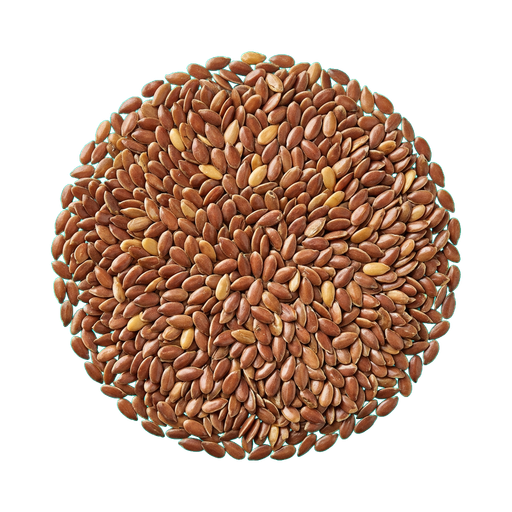
Flax seeds
Flax seeds are small brown or golden grains with a nutty flavor and subtle bitterness, rich in fiber and omega-3 fatty acids. In cooking, they are added to baked goods, cereals, yogurts, and smoothies for texture and nutritional value, and are also used to make flax oil. When storing, keep seeds in a cool place, as the oils they contain oxidize in light and heat, so ground seeds quickly lose their beneficial properties.
Micronutrients
per 100 g
Minerals
About
Why Flax Seeds Are Becoming More Popular
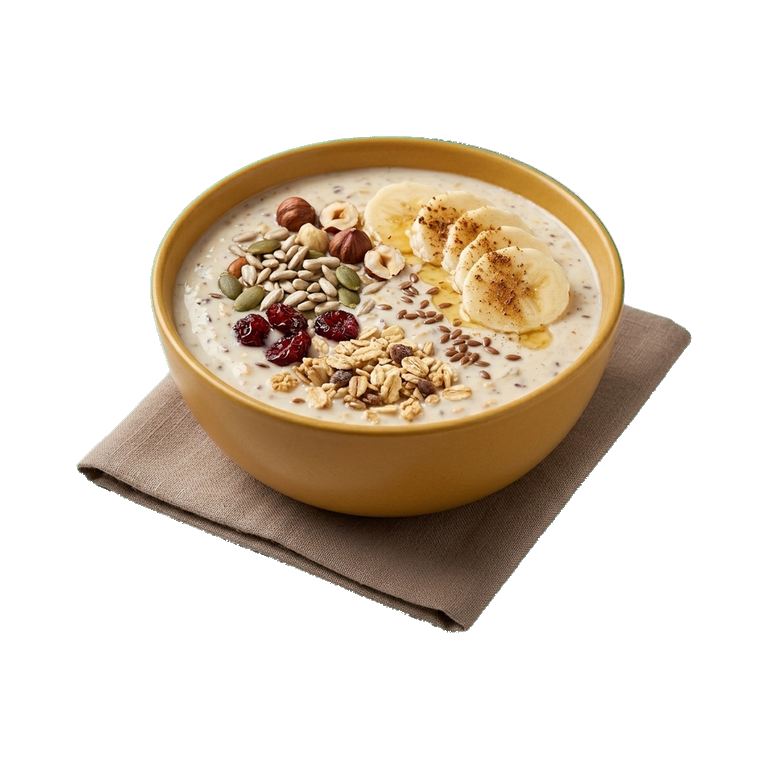
Flax seeds are not just a trendy superfood, but a practical ingredient that's easy to incorporate into your everyday menu. They have a neutral, slightly nutty flavor and an almost imperceptible texture when used properly. Their main advantage is versatility: they work in both sweet breakfasts and savory dishes without overpowering the main flavors.
How to use in cooking
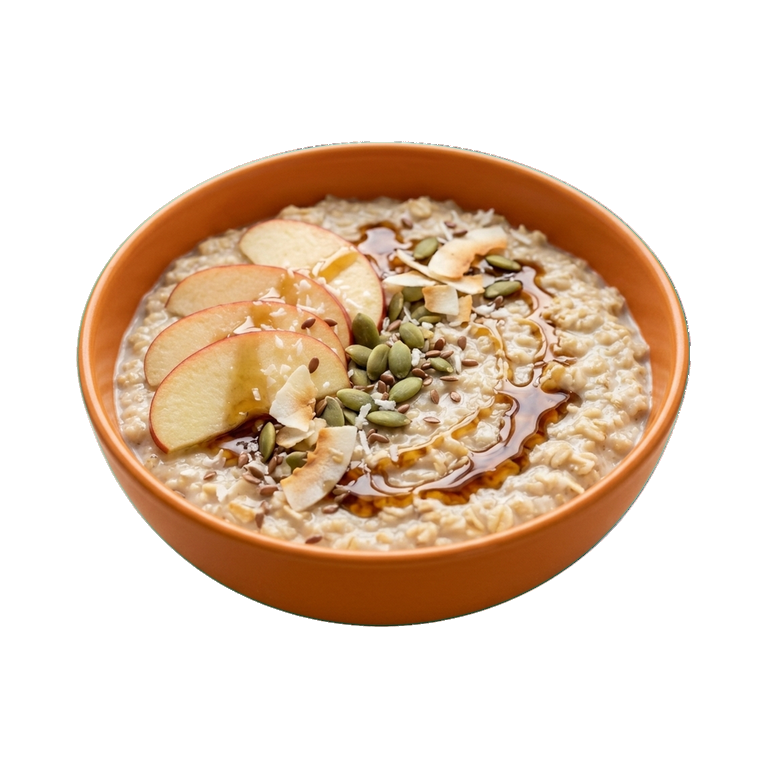
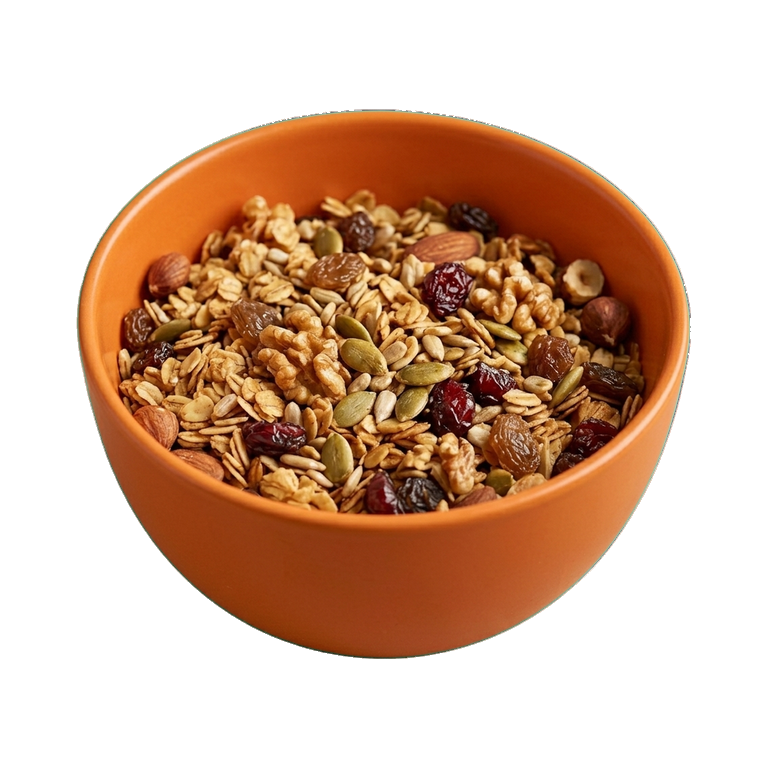
There are two ways to work with flax seeds: whole grains or ground. Whole seeds are better to add to dishes where you need texture — sprinkle on yogurt, cottage cheese, salads, or porridge. Ground seeds are easier for the body to digest and work well in bread dough, smoothies, or as a thickener for sauces.
If you're cooking vegan dishes, flaxseed is your helper. One tablespoon of ground seed mixed with three tablespoons of water replaces one egg in baking. The mixture becomes viscous and helps the dough hold its shape.
Successful Pairings
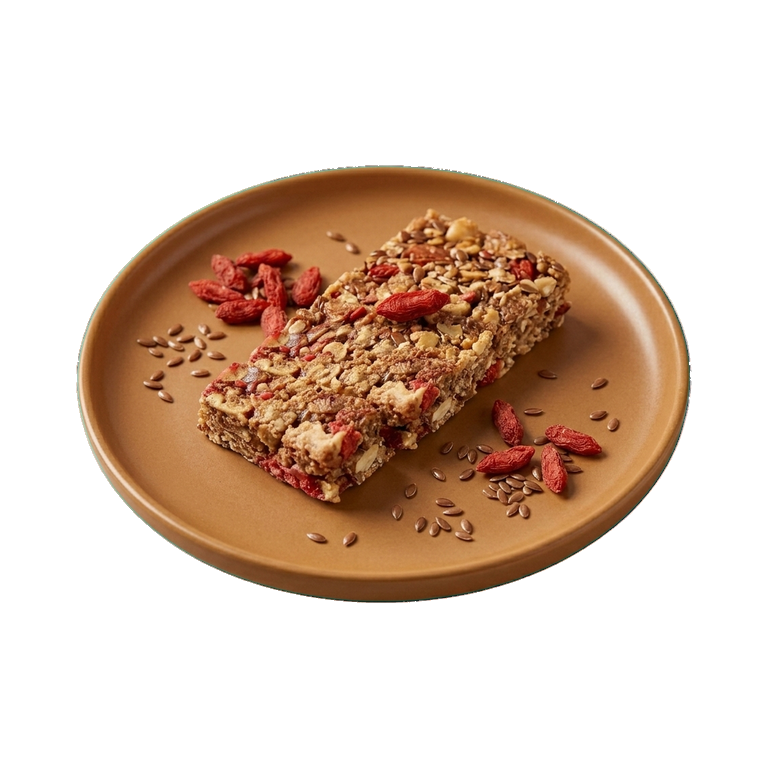
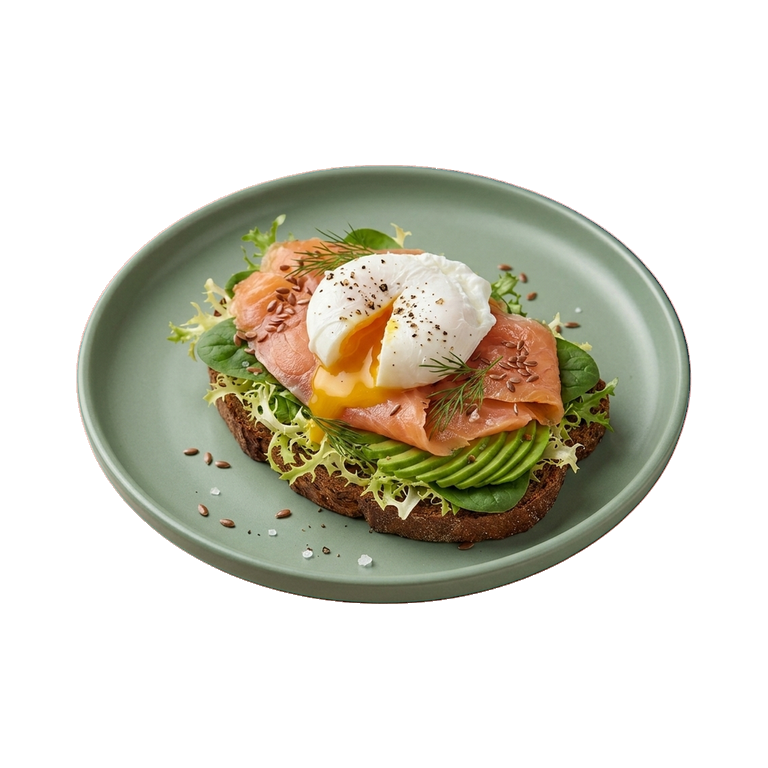
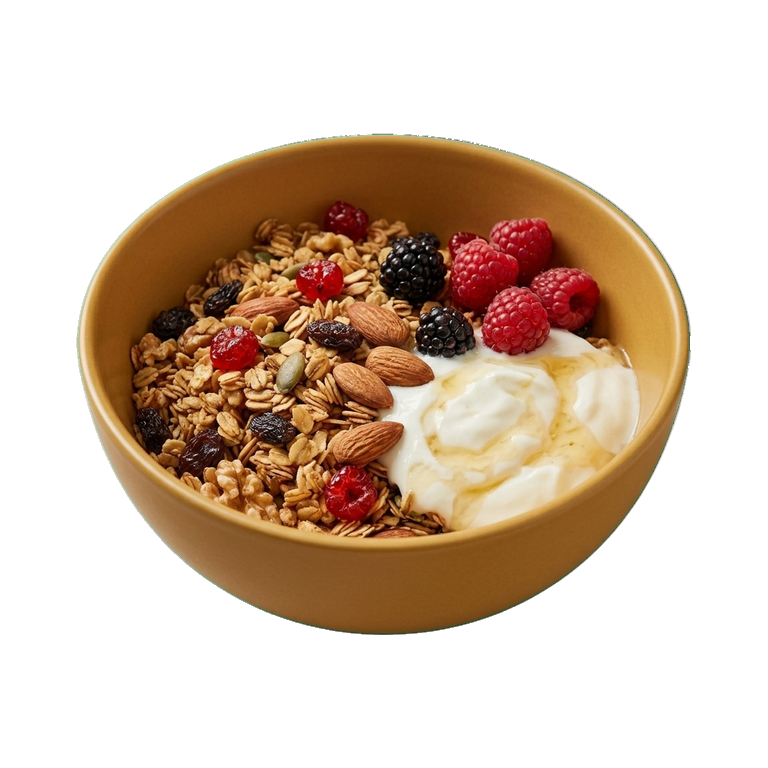
- With berries and honey in breakfasts — flax seeds emphasize their sweetness
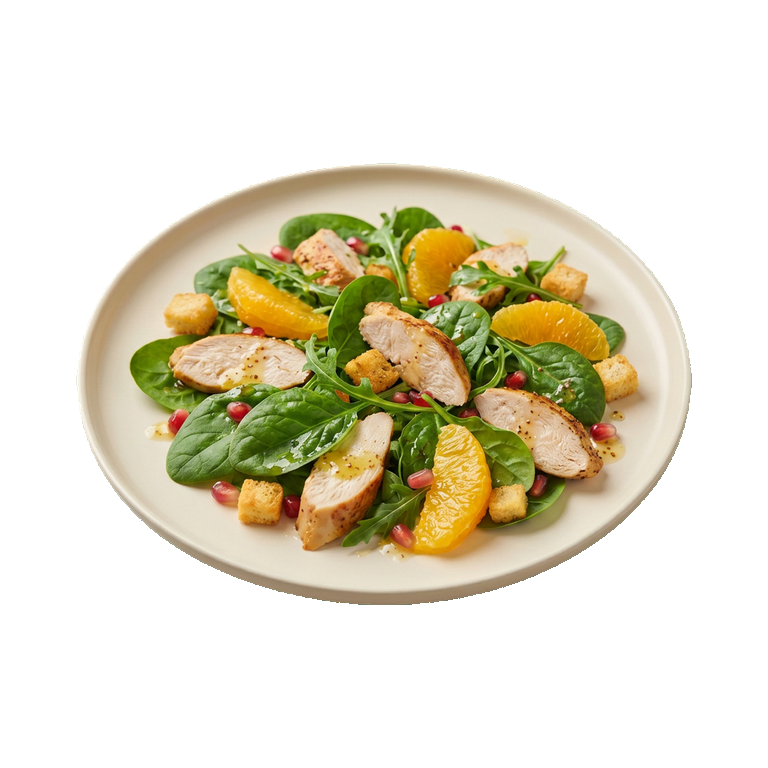
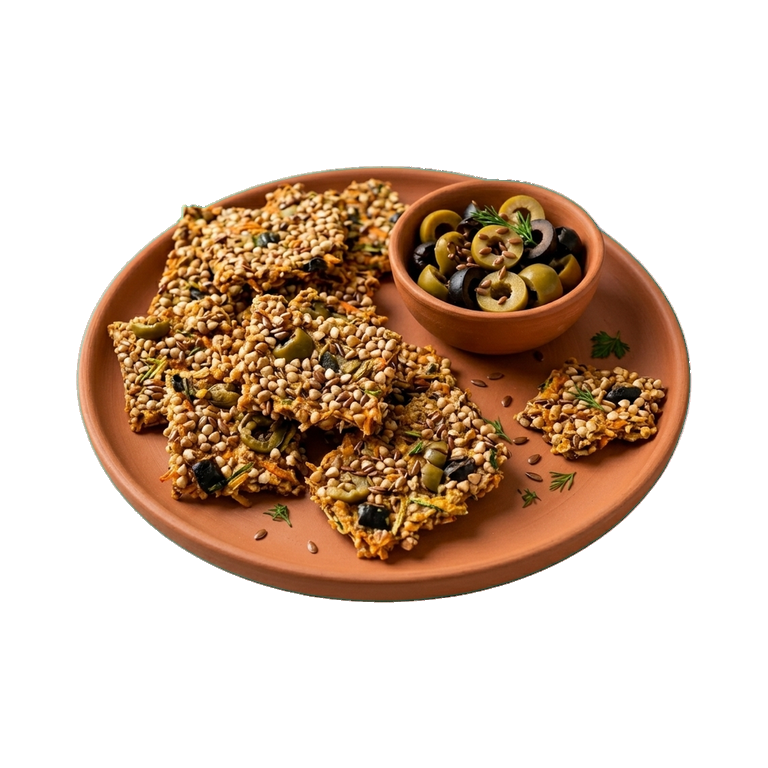
- With vegetables and olive oil in salads — adds nutrition and a light nutty note
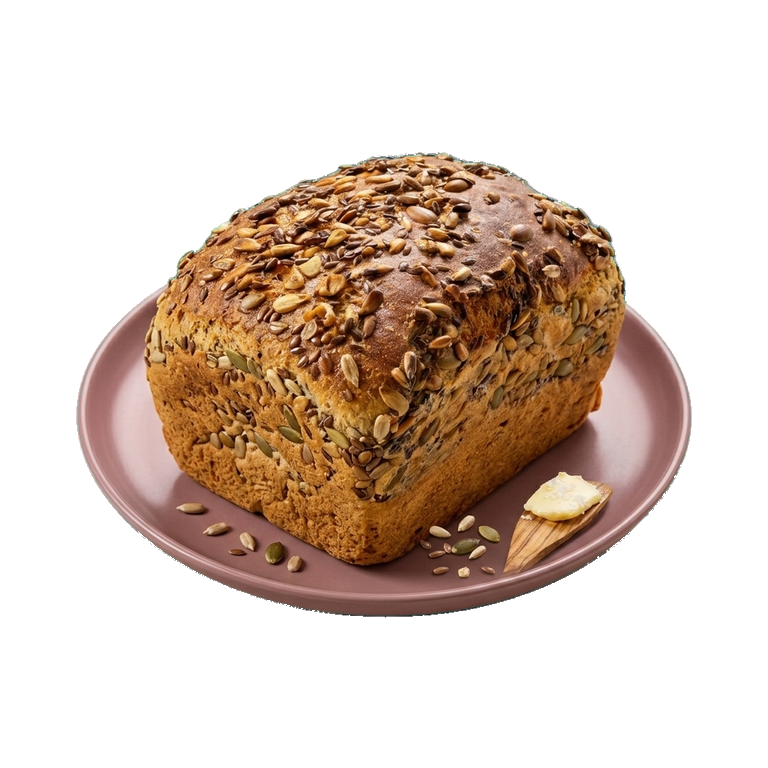
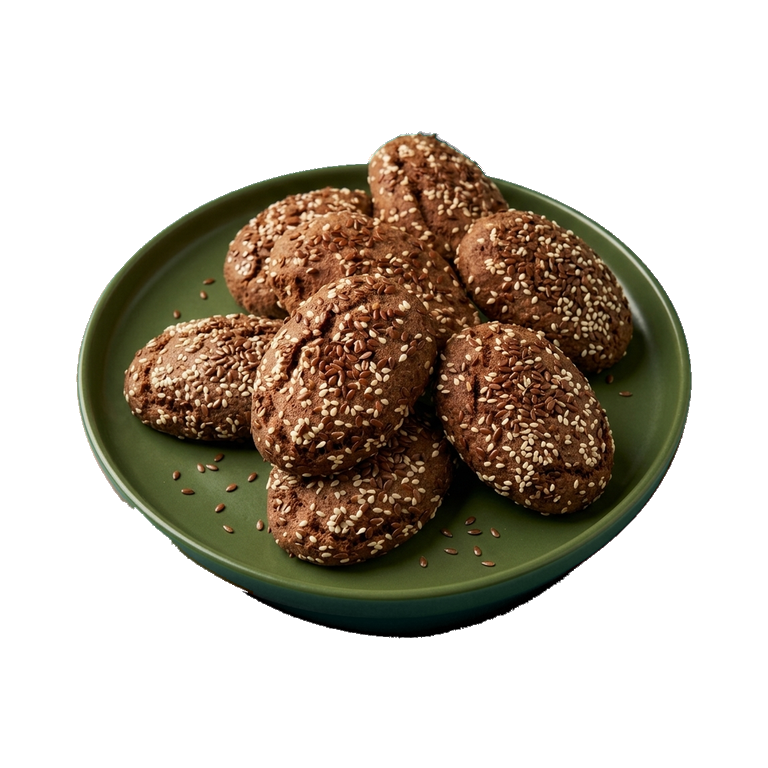
- In bread and buns — improves structure and adds a light crunch
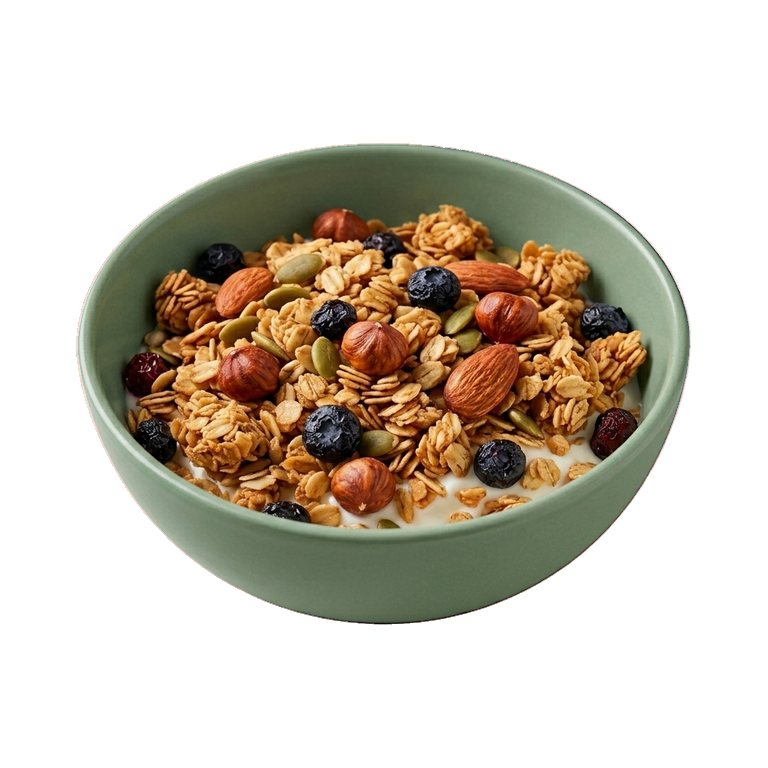
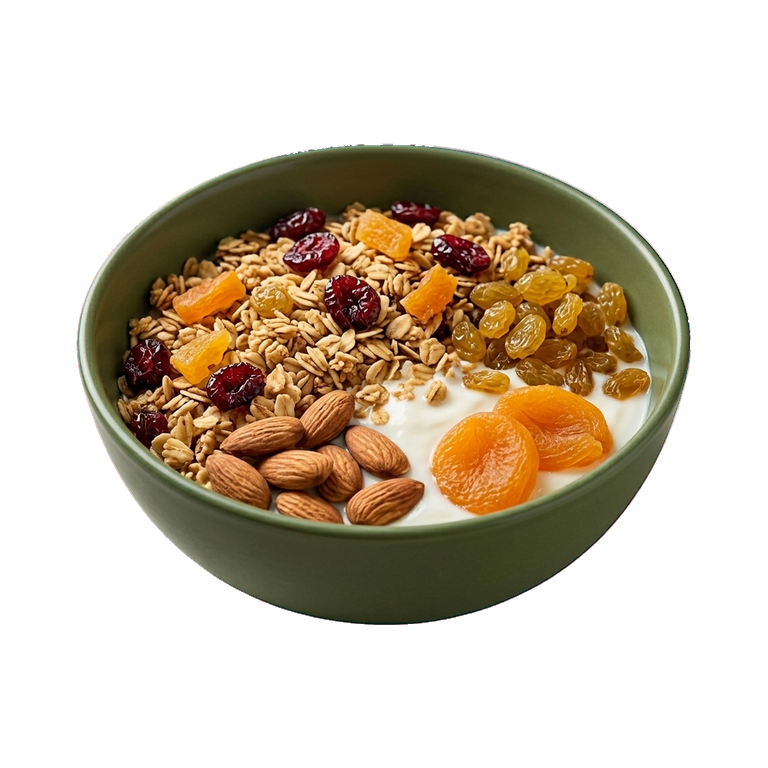
- With kefir or yogurt — a classic combination for a healthy snack
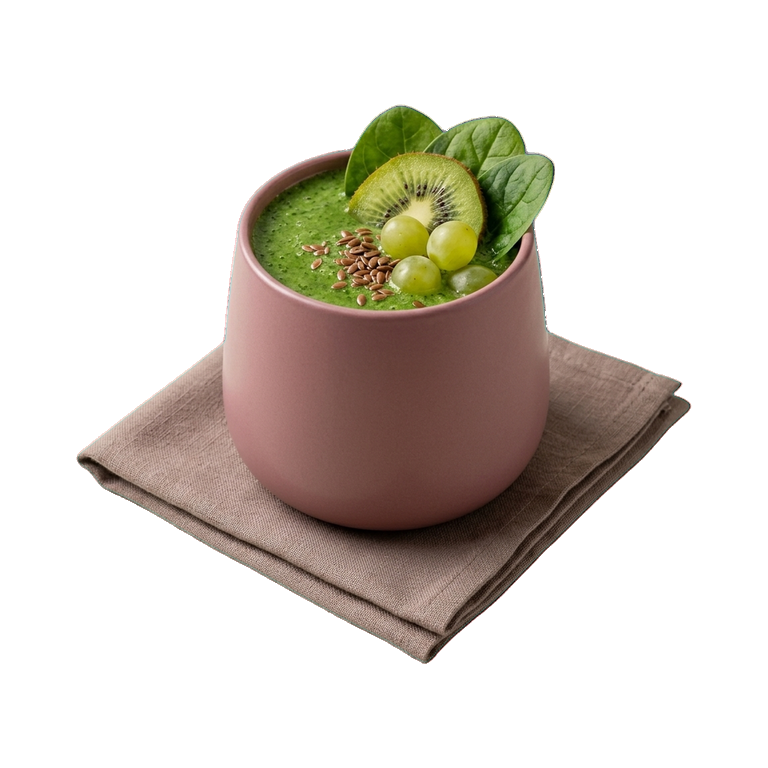
- In smoothies with banana and berries — blends in and enriches the drink
Selection and Storage
Whole seeds last longer — they store well in an airtight jar at room temperature for several months. Ground seeds oxidize faster, so it's better to keep them in the refrigerator and use them within a month. If you cook with ground flax often, it's easier to grind the seeds yourself in a coffee grinder in small batches — this way the flavor stays more vibrant.
When purchasing, pay attention to the color: seeds should be uniform brown or golden shade without dark spots and mold. Fresh seeds have a slightly herbal aroma. If you notice a musty smell — this is a sign of improper storage, and it's better not to buy such a product.
Practical Tips
- Before using whole seeds in dough, you can soak them slightly in water — they will become softer and distribute better
- Do not add ground seeds to hot dishes immediately — it is better to mix it with cold liquid first to avoid lumps
- To enhance the nutty flavor, you can lightly toast whole seeds in a dry pan before adding to the dish
- Start with small amounts — 1–2 tablespoons per day, so your body gets used to the fiber
Nutrition
per 100 g
- Calories
- 534 kcal
- Protein
- 18.3 g
- Fat
- 42.2 g
- Carbs
- 28.9 g
Micronutrients
per 100 g
Macronutrients
- Fiber
- 27.3 g
- Sugars
- 1.55 g
- Saturated fat
- 3.663 g
- Monounsaturated fat
- 7.527 g
- Polyunsaturated fat
- 28.73 g
- Omega-3 (EPA + DHA)
- 0 g
- Cholesterol
- 0 mg
- Water
- 6.96 g
Minerals
- Sodium
- 30 mg
- Potassium
- 813 mg
- Calcium
- 255 mg
- Magnesium
- 392 mg
- Phosphorus
- 642 mg
- Iron
- 5.73 mg
- Zinc
- 4.34 mg
- Copper
- 1.22 mg
- Manganese
- 2.48 mg
- Selenium
- 25.4 mcg
Vitamins
- Vitamin A (RAE)
- 0 mcg
- Vitamin D
- 0 mcg
- Vitamin E
- 0.31 mg
- Vitamin K
- 4.3 mcg
- Vitamin C
- 0.6 mg
- Vitamin B1 (thiamin)
- 1.64 mg
- Vitamin B2 (riboflavin)
- 0.16 mg
- Vitamin B3 (niacin)
- 3.08 mg
- Vitamin B5 (pantothenic acid)
- 0.99 mg
- Vitamin B6
- 0.47 mg
- Vitamin B9 (folate, DFE)
- 87 mcg
- Vitamin B12
- 0 mcg
Measures and weight
- 1 tbsp
- 11.3 g
- 1 tsp
- 3.8 g
- 1 cup
- 187.5 g
Measure calculator
- Weight
- 100 g
- Calories
- 534 kcal