Usuba
Usuba
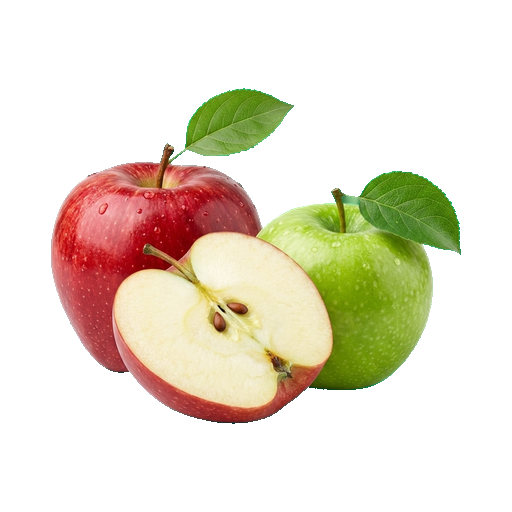
Apple
A versatile fruit with crisp flesh and a sweet-tart flavor that works well in both sweet and savory dishes. Depending on the variety, apples range from tart and tangy to sweet and soft, so choose more acidic varieties for pies and compotes, and sweet ones for salads and fresh consumption. Apples oxidize and brown quickly during preparation, so cut pieces should be sprinkled with lemon juice if they won't be added to a dish immediately.
About
Apple is one of the most versatile fruits in the kitchen. It works everywhere: in salads, pies, sauces, beverages, and even in main meat dishes. Its main advantage is that it never gets boring and always finds its place in a recipe.
Taste and aroma depending on the variety
Sour varieties are your helper when you need freshness and structure. They don't fall apart during heat treatment, hold their shape well in pies and compotes. Sweet varieties are best eaten fresh or used in desserts where softness and natural sweetness matter. Universal varieties with balanced flavor work well for almost any dish.
Firm apples are good for cooking, baking, and slicing thinly — they won't fall apart. Soft and juicy ones are better suited for purees, sauces, and beverages. Check the fruit when buying: press gently with your finger. If the dent quickly recovers, the apple is fresh and firm.
How apple works in dishes
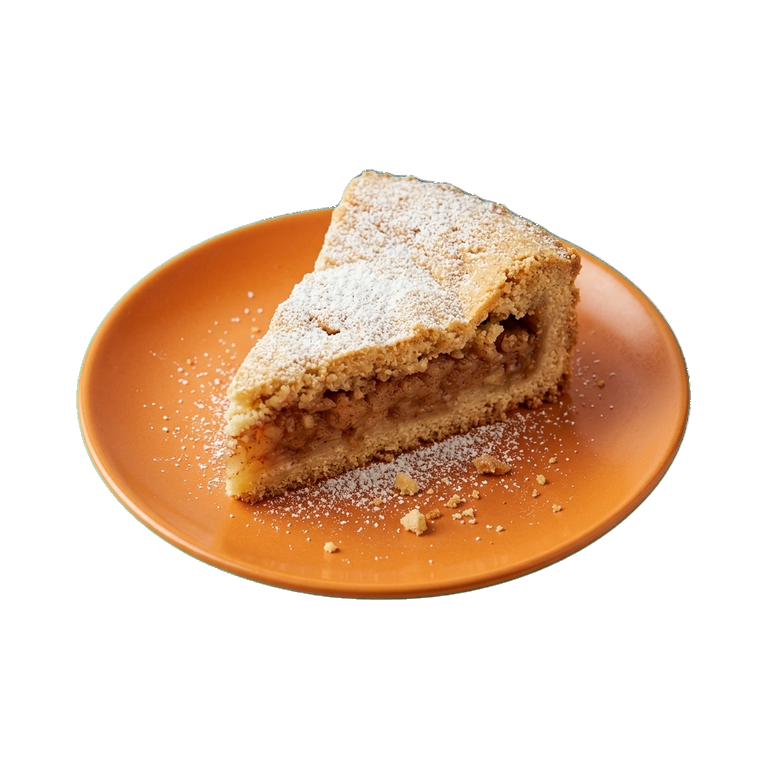
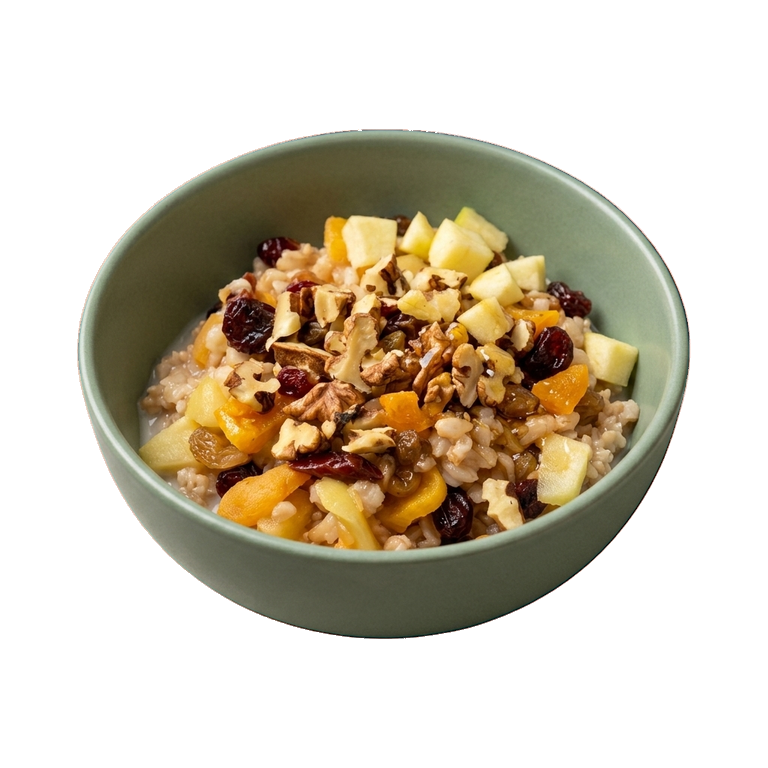
- In sweet pastries, apple provides moisture and natural sweetness, reducing the required amount of sugar
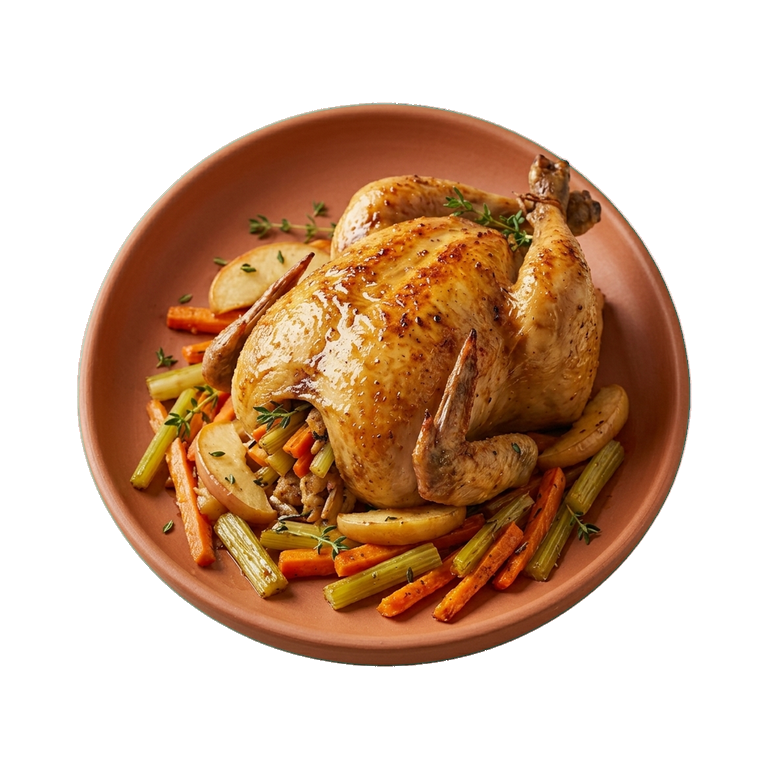
- In meat dishes, tart apple balances richness and adds a light freshness
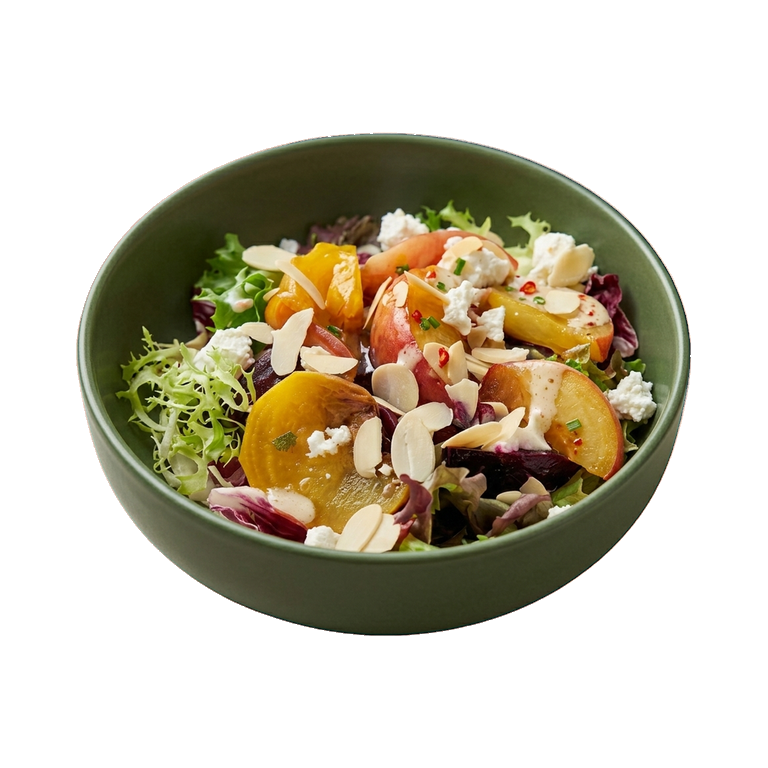
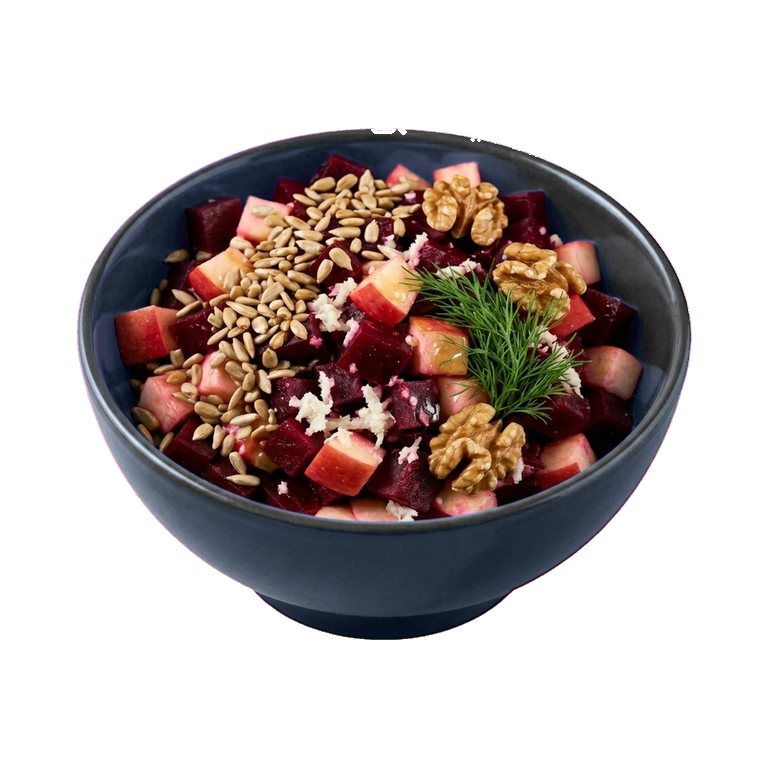
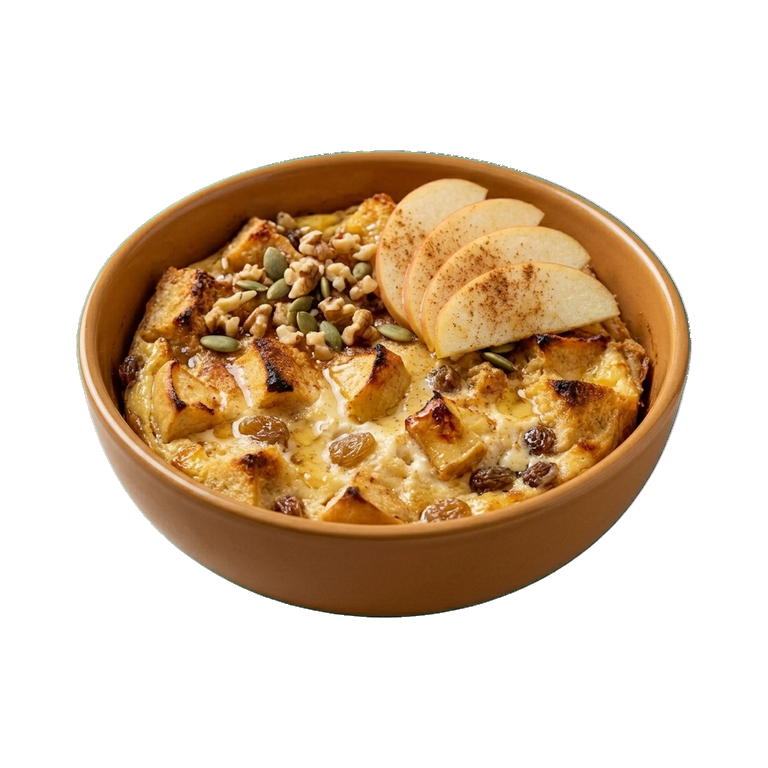
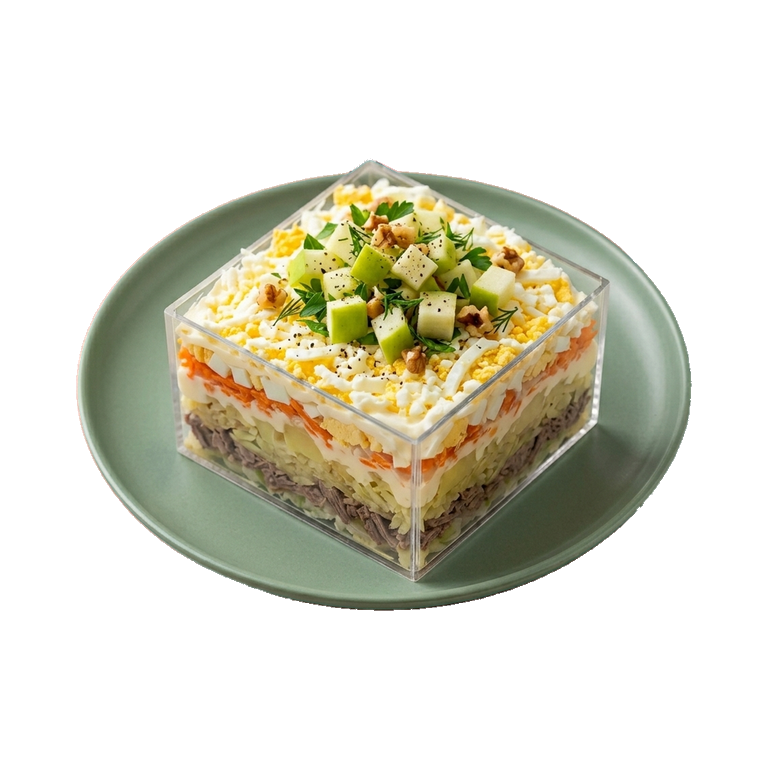
- In salads, crispy apple contrasts with soft ingredients and adds texture
- In sauces and gravies, apple puree or grated apple creates a creamy base
- In beverages and compotes, apple is the foundation for natural flavor without additives
Successful Combinations
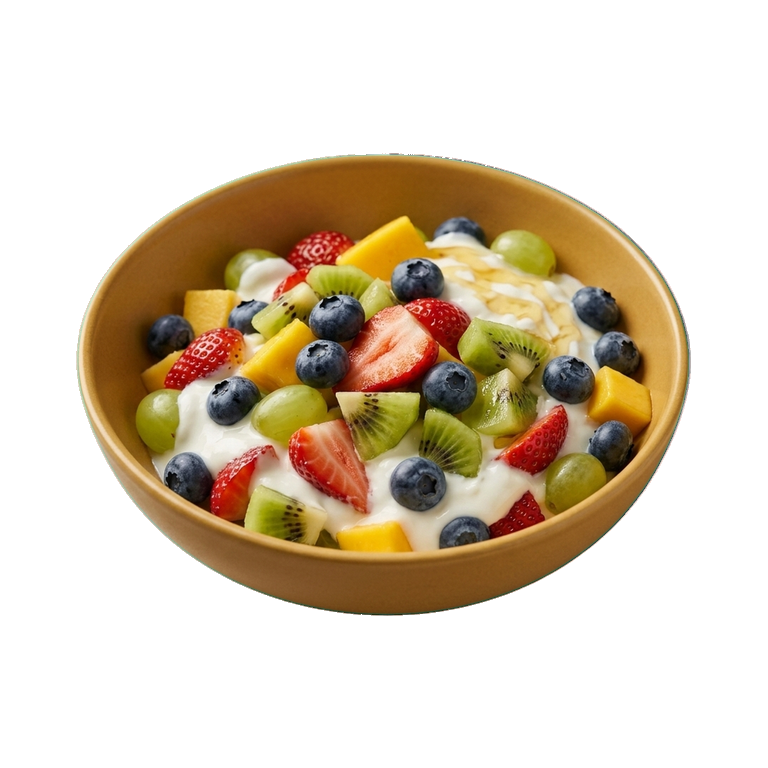
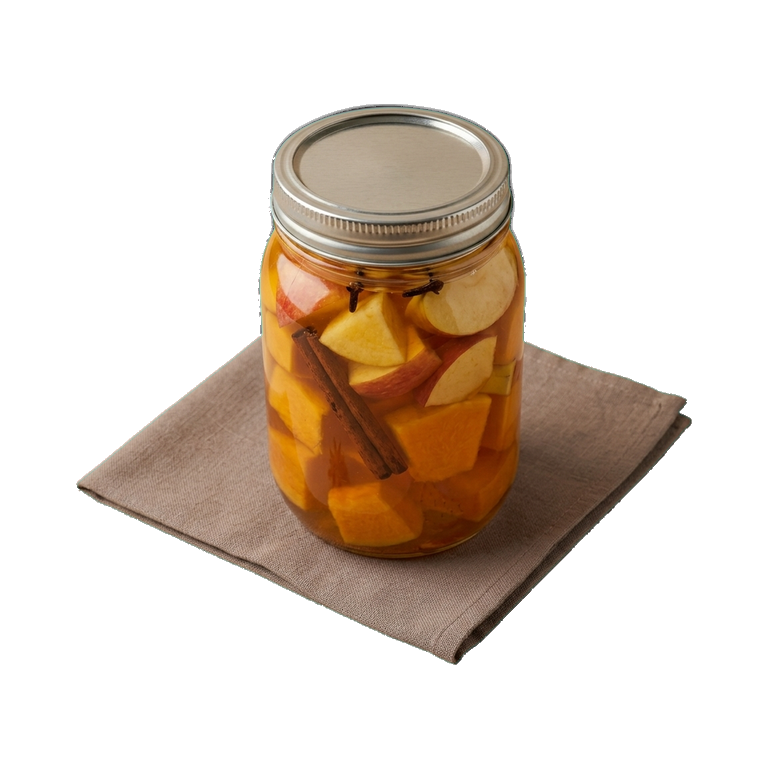
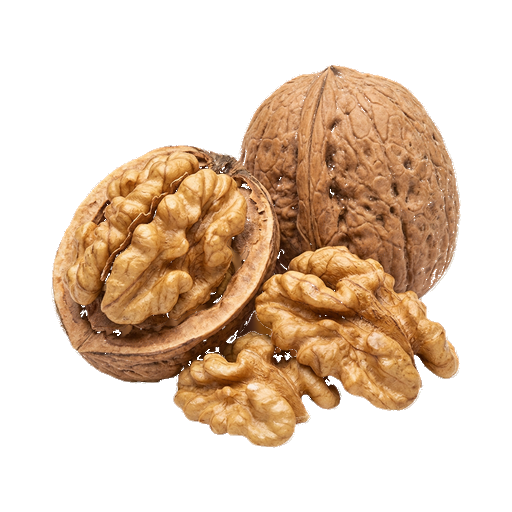
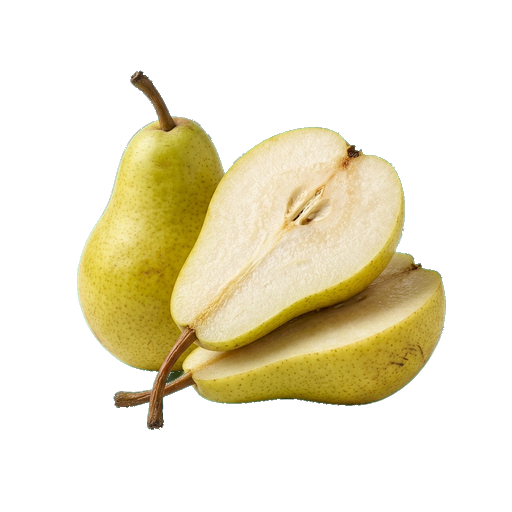
Apple pairs well with spices: cinnamon, cardamom, clove, ginger. With dairy products — cottage cheese, sour cream, yogurt. With nuts — walnuts, almonds, cashews. With other fruits — pears, berries, citrus. With meat — especially well with duck, pork, chicken.
Selection and Storage
- Choose apples with smooth skin without dark spots and dents
- The weight should be noticeable — a light apple is often dried out inside
- Store in the refrigerator in a separate compartment — apples release ethylene and accelerate the ripening of other vegetables and fruits
- At room temperature, apples keep for several days; in the refrigerator — for several weeks
- Sliced apple darkens quickly — sprinkle with lemon juice to slow down oxidation
Practical Tips
For pies and casseroles, slice apples into thin slices — they bake faster. For compote, take whole fruits or large pieces. If you need to grate an apple for sauce or puree, do it at the last moment. You don't have to peel the skin — it contains fiber and adds texture, but if smoothness is important for your dish, peel it with a vegetable peeler.
Apple is a fruit that always comes in handy. It's available year-round, affordable, stores well, and works in any culinary situation. Experiment with different varieties and see which one you like best for each dish.
Nutrition
per 100 g
- Calories
- 52 kcal
- Protein
- 0.3 g
- Fat
- 0.2 g
- Carbs
- 13.8 g
Measures and weight
- 1 pcs
- 182 g
Measure calculator
- Weight
- 100 g
- Calories
- 52 kcal