Usuba
Usuba
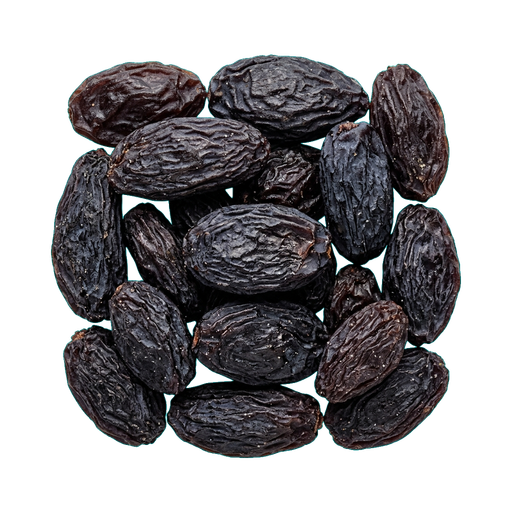
Dark raisins
Dark raisins are dried grapes with an intense sweet flavor and subtle tartness, characterized by a rich dark brown or almost black color. They are used in baking, compotes, pilaf, and other dishes to add deep sweetness and soft texture. When selecting, it's important to check that the berries are soft and not stuck together. Before adding to dough, they are often soaked in warm water or alcohol to better unlock their flavor.
Micronutrients
per 100 g
Minerals
About
Dark raisins are dried grapes with a deep brown or almost black color. They are obtained through natural sun-drying, which causes the berry to lose moisture while preserving and even concentrating its sweetness and beneficial substances. Unlike light raisins, the dark variety is sweeter, with a more pronounced fruity flavor and a dense texture.
Taste and Aroma
Dark raisins offer intense sweetness with notes of caramel and dried fruits. The taste reveals subtle wine undertones and a slight astringency that balances the richness. The aroma is full and rich — this is what immediately attracts to the dish and makes it more expressive.
Where to use it
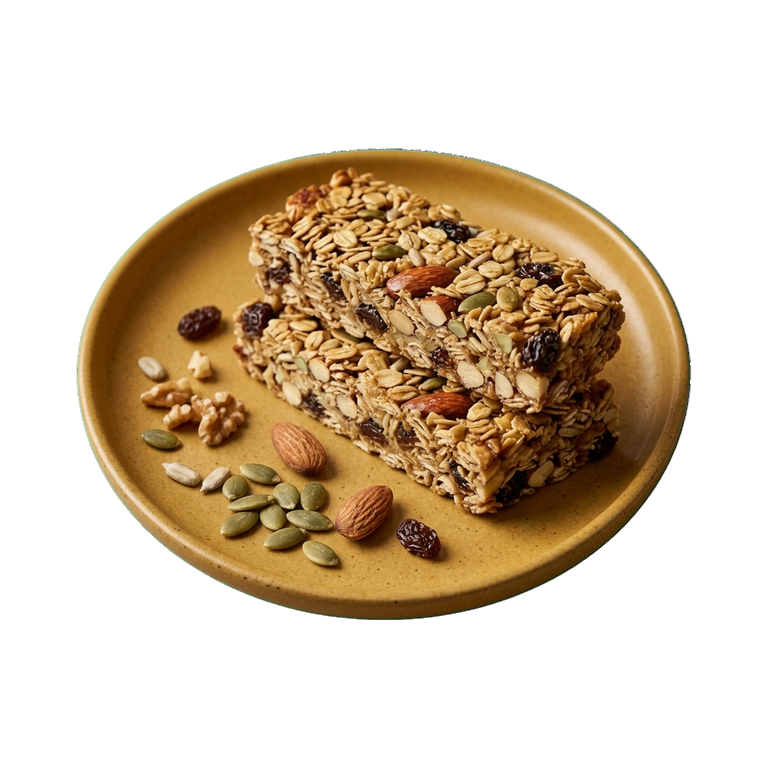
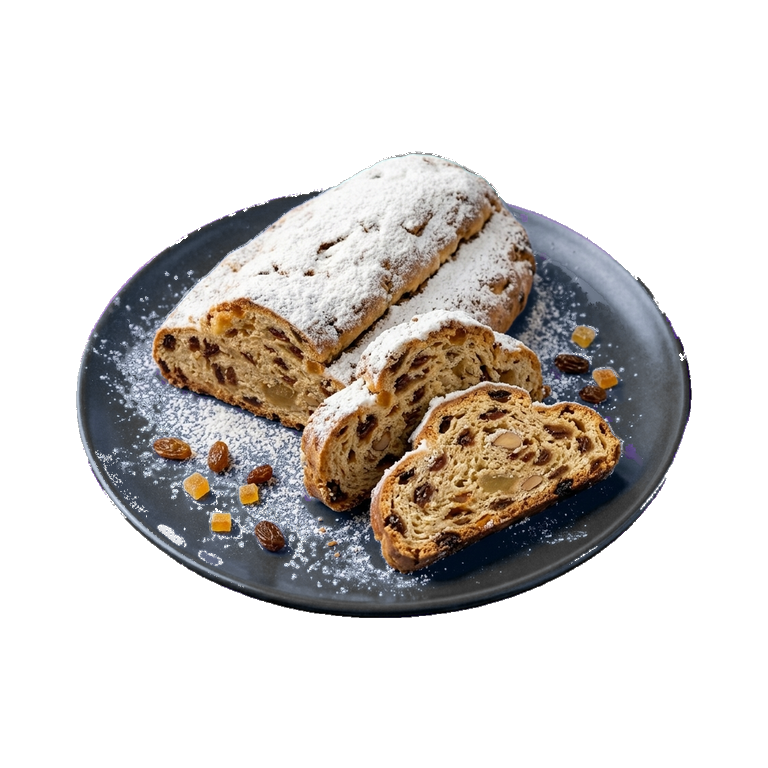
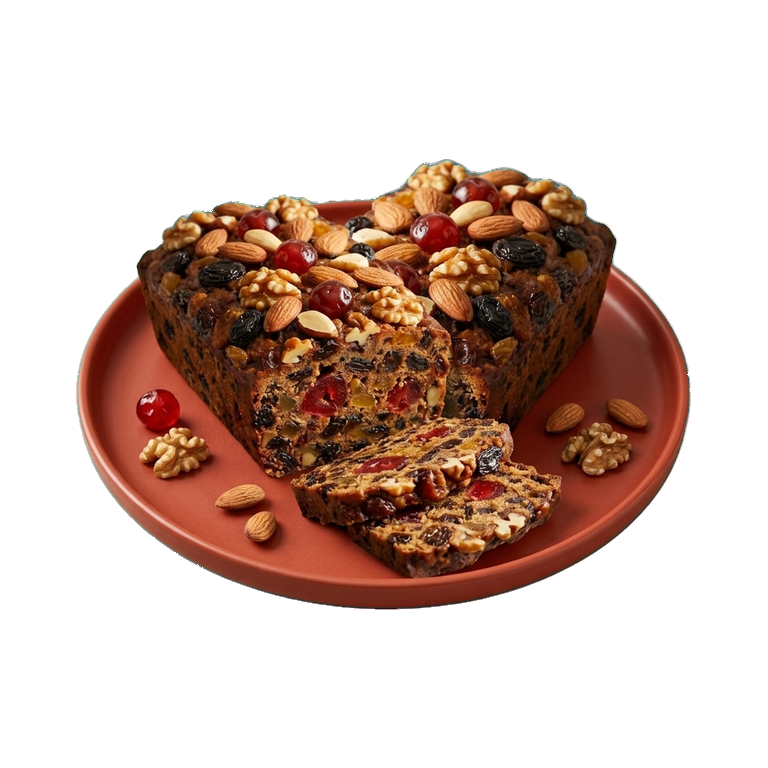
- Baking: cupcakes, buns, cookies and bread — raisins soften during baking and distribute evenly throughout the dough
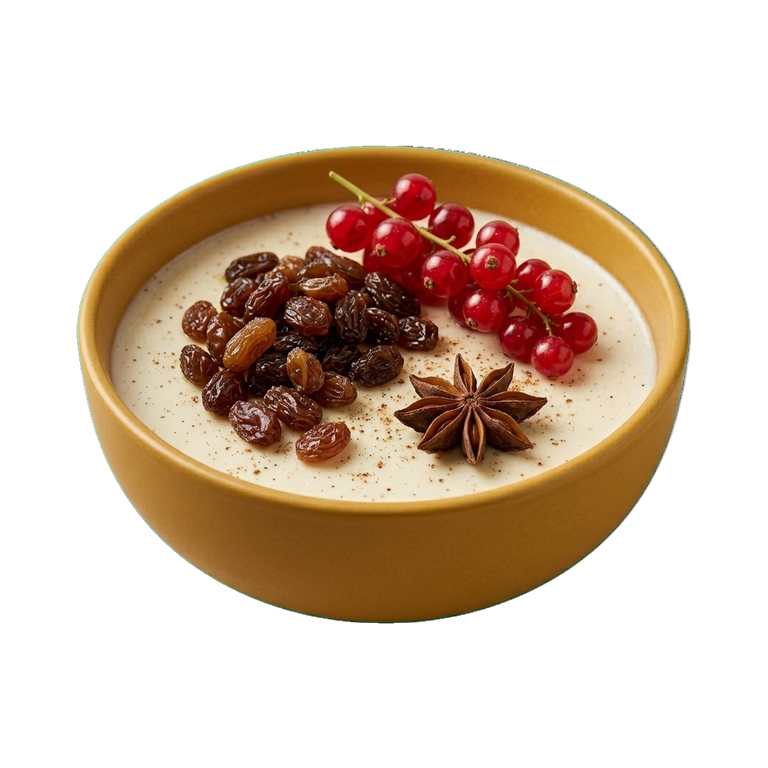
- Cereals and breakfasts: add to oatmeal, buckwheat or rice for natural sweetness without sugar
- Meat dishes: pilaf, stew, braised meat — raisins create a contrast between sweet and savory
- Compotes and teas: brewed with hot water, giving the drink sweetness and aroma
- Salads and appetizers: combines with nuts, cheese and greens for interesting texture
Successful Pairings
Dark raisins work well with cinnamon, cardamom, and other warm spices. Their sweetness is highlighted by nuts — walnuts, almonds, and cashews. In meat dishes, raisins harmonize with turmeric, cumin, and black pepper. Don't forget about dairy products: cottage cheese, yogurt, and cheese reveal new facets of its flavor.
Selection and Storage
When purchasing, pay attention to appearance: berries should be whole, without mold and foreign odors. Good dark raisins have a slight shine and uniform color. Avoid clumped berries — this is a sign of improper storage or added oil.
Store raisins in an airtight container or glass jar in a cool, dry place, protected from direct sunlight. At room temperature, they will keep for several months. If you want to extend their shelf life, place them in the refrigerator or freezer — raisins tolerate low temperatures very well.
Before adding to the dough, soak the raisins in warm water or tea for 15–20 minutes — they will become softer and juicier, and the dish will turn out more tender.
Nutrition
per 100 g
- Calories
- 299 kcal
- Protein
- 3.1 g
- Fat
- 0.5 g
- Carbs
- 79.2 g
Micronutrients
per 100 g
Macronutrients
- Fiber
- 3.679 g
- Water
- 15.65 g
Minerals
- Sodium
- 13.17 mg
- Potassium
- 936 mg
- Calcium
- 51.49 mg
- Magnesium
- 35.54 mg
- Phosphorus
- 115.8 mg
- Iron
- 1.84 mg
- Zinc
- 0.18 mg
- Copper
- 0.33 mg
- Manganese
- 0.27 mg
Vitamins
- Vitamin C
- 0 mg
- Vitamin B1 (thiamin)
- 0.06 mg
- Vitamin B2 (riboflavin)
- 0.1 mg
- Vitamin B3 (niacin)
- 0.65 mg
- Vitamin B6
- 0.23 mg
Measures and weight
- 1 tbsp
- 10.5 g
- 1 tsp
- 3.5 g
- 1 cup
- 175 g
Measure calculator
- Weight
- 100 g
- Calories
- 299 kcal