Usuba
Usuba
Dates
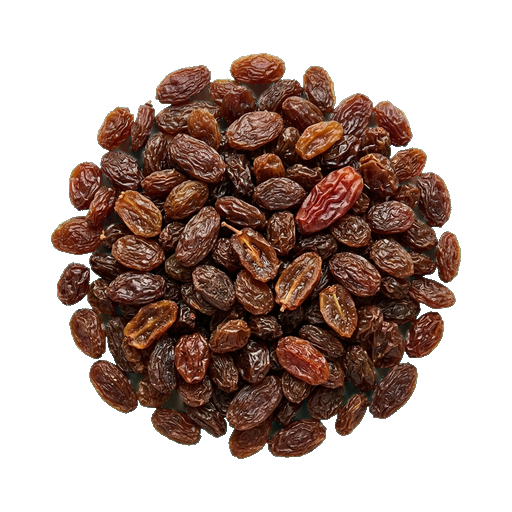
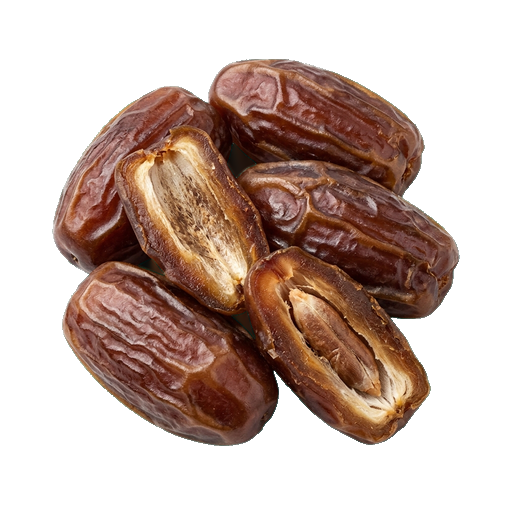
Dates are sweet fruits of the date palm with soft, sticky flesh and a hard pit inside. They contain plenty of natural sugars, making them an ideal sweetener for baking, cereals, and sweet sauces, as well as a nutritious addition to muesli and energy bars. When selecting dates, pay attention to the integrity of the skin and the softness of the fruit — quality dates should not be too hard or crystallized, and it's best to store them in the refrigerator to keep them moist longer.
About
Sweetness without sugar
Dates are not just a dried fruit, but a complete product that can be used as a sugar substitute in baking and beverages. Their natural sweetness is so concentrated that a small handful will satisfy a sweet craving. The flesh is soft and sticky, making dates an ideal ingredient for pastes, creams, and energy bars. They dissolve well in hot water, turning into syrup, or soften in a blender into a uniform mass.
Aroma and taste
The taste of dates depends on the variety and degree of ripeness. Some varieties offer caramel notes with a slight bitterness, while others remind one of honey and dried fruits. The aroma is delicate, sweet, sometimes with woody undertones. Fresh, soft dates have a more tender flavor than hard and wrinkled ones. It is important to remember: dates should never be bitter or moldy — this is a sign of improper storage.
Where they work in the kitchen
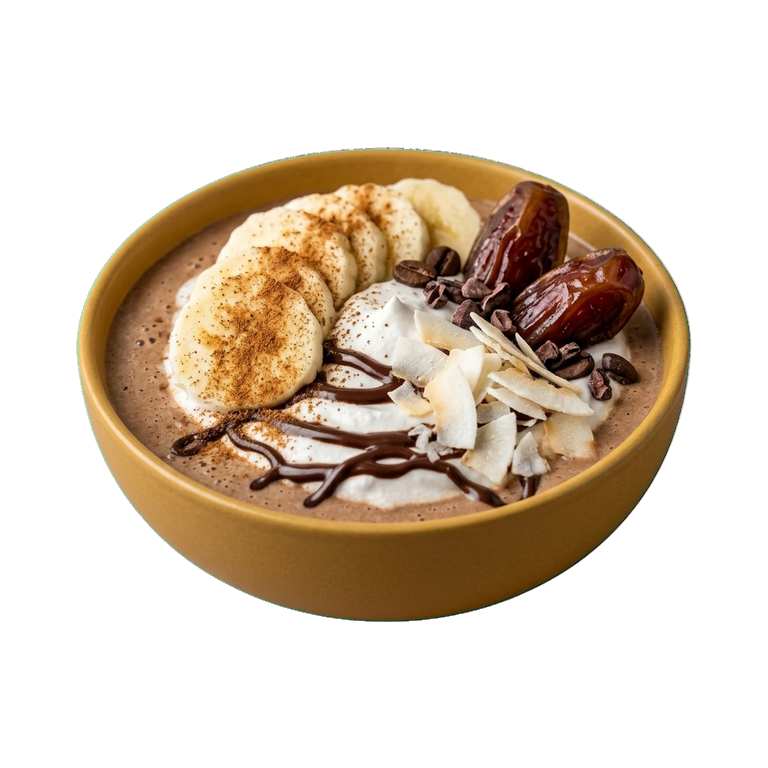
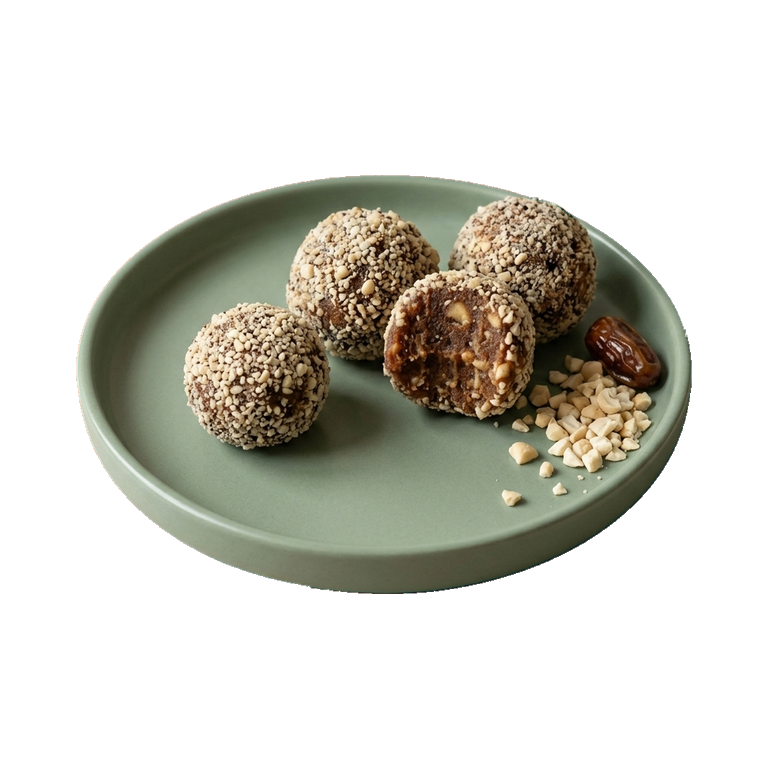
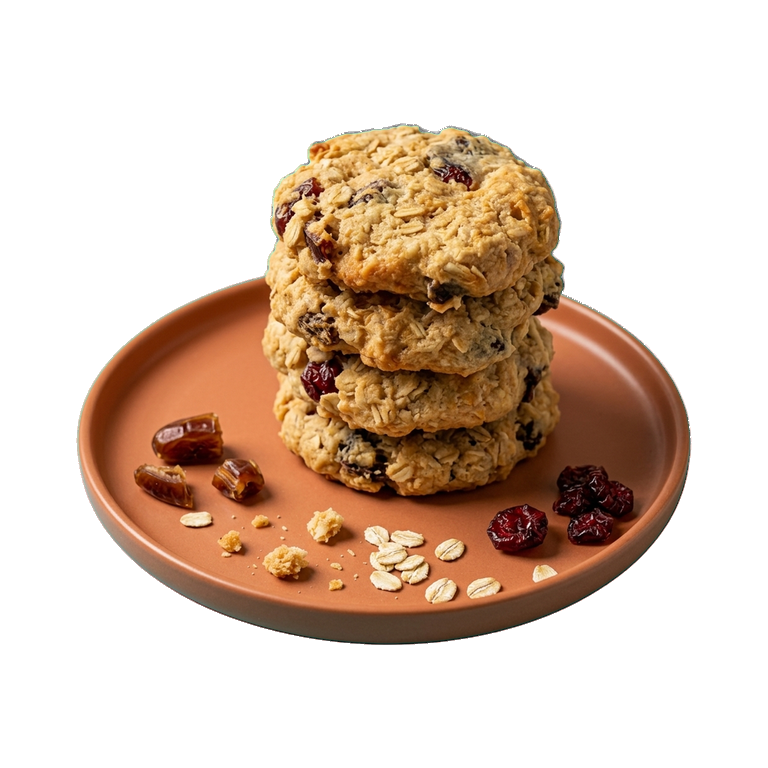
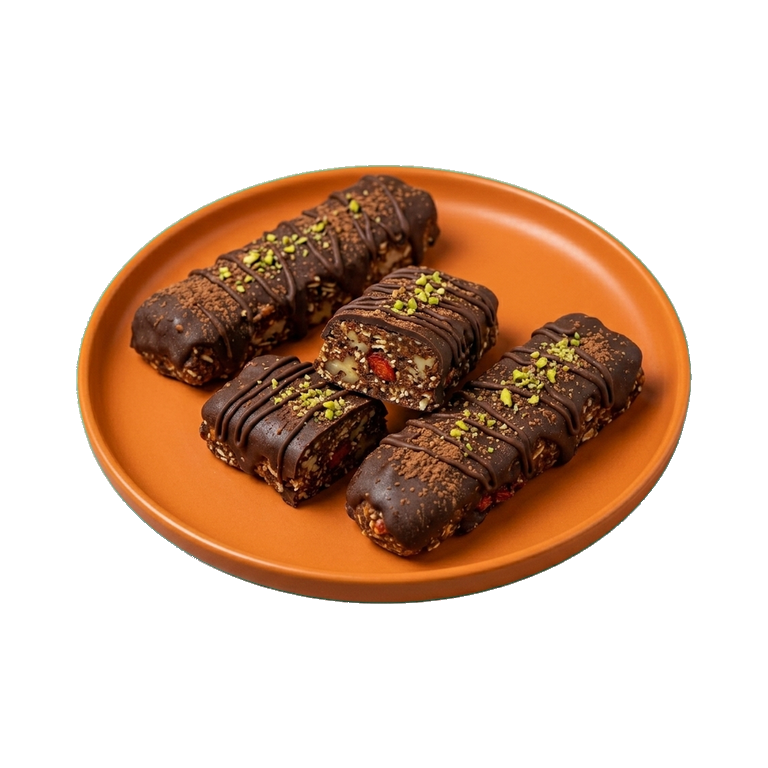
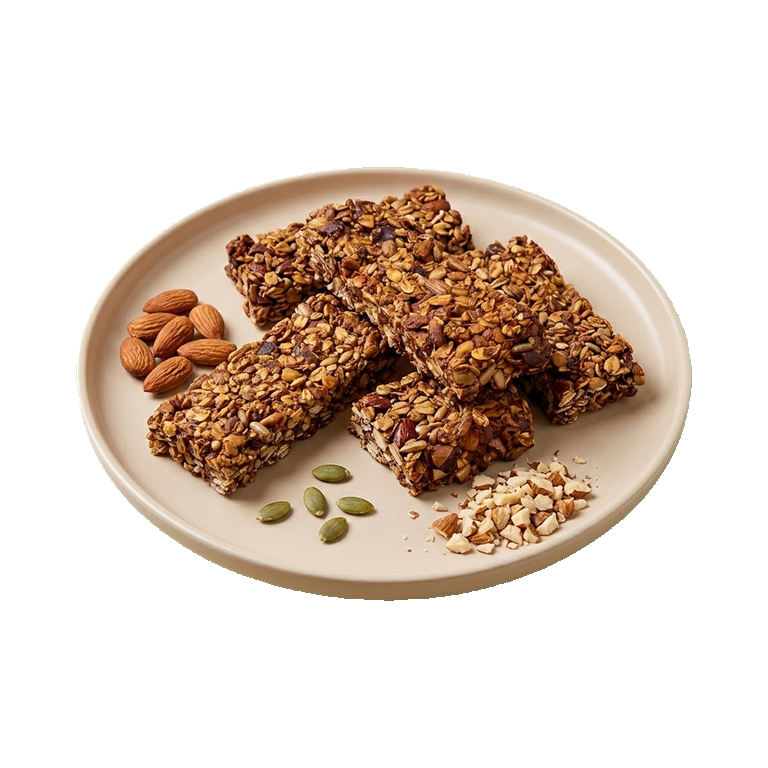
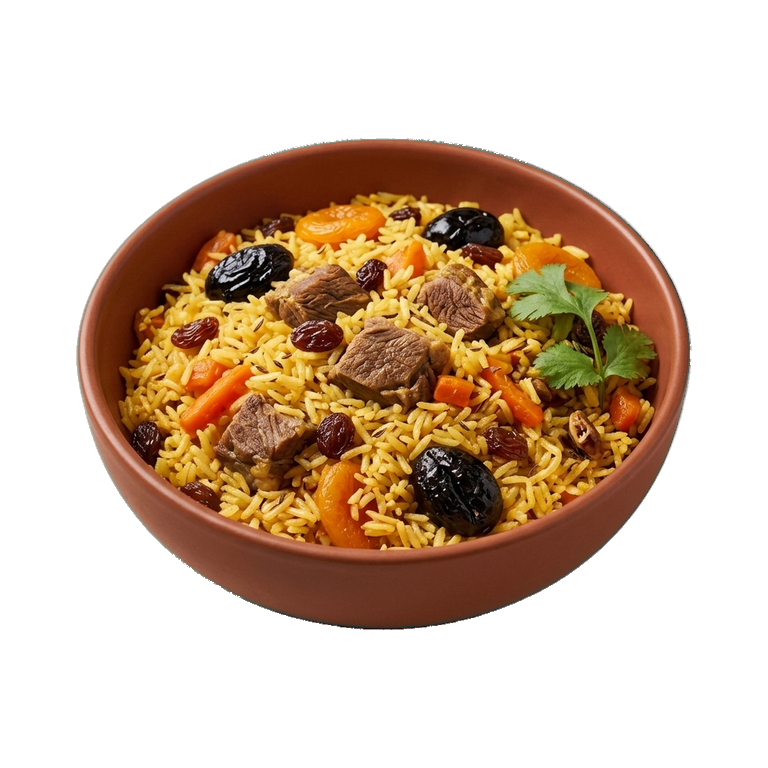
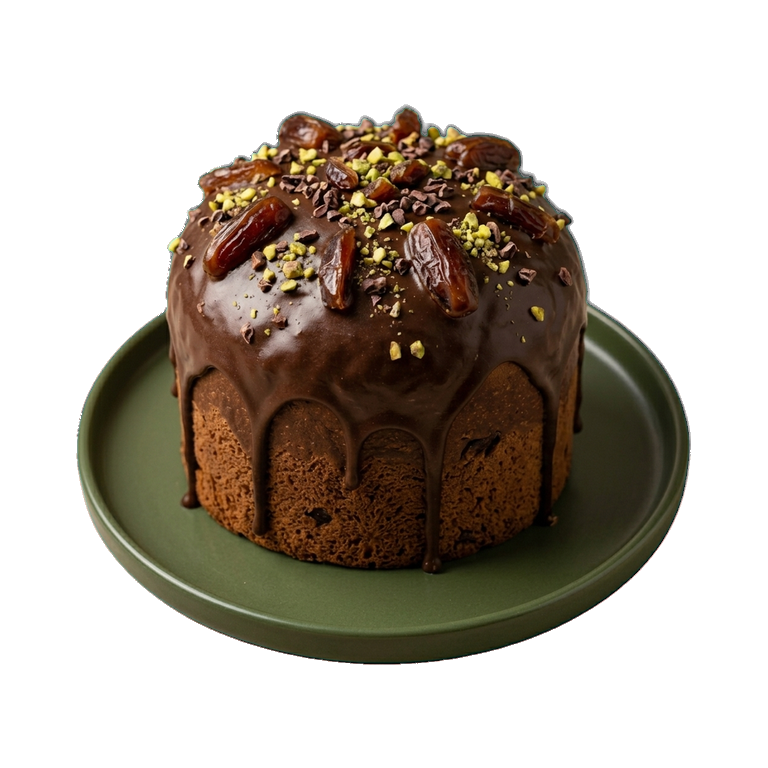
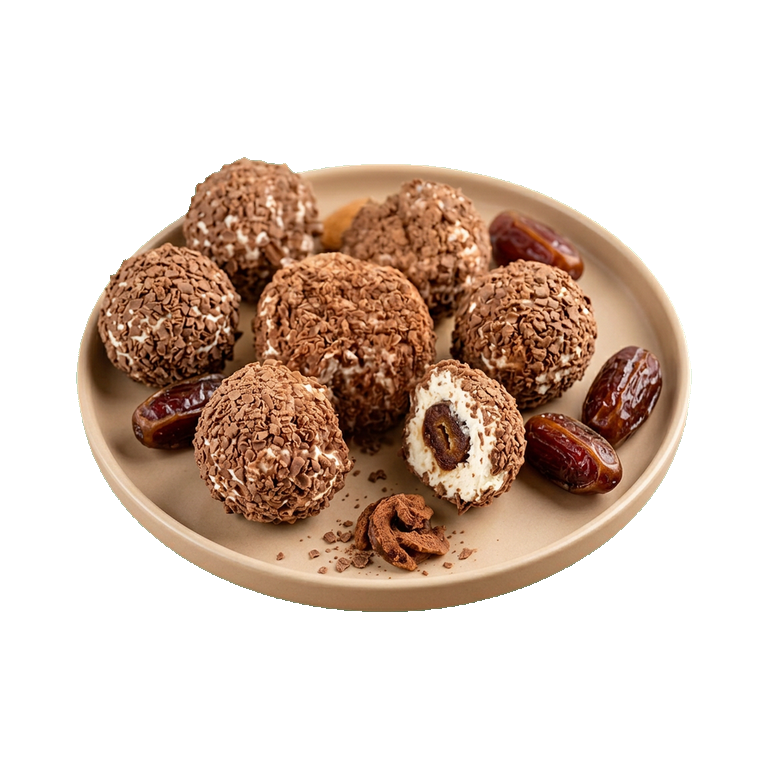
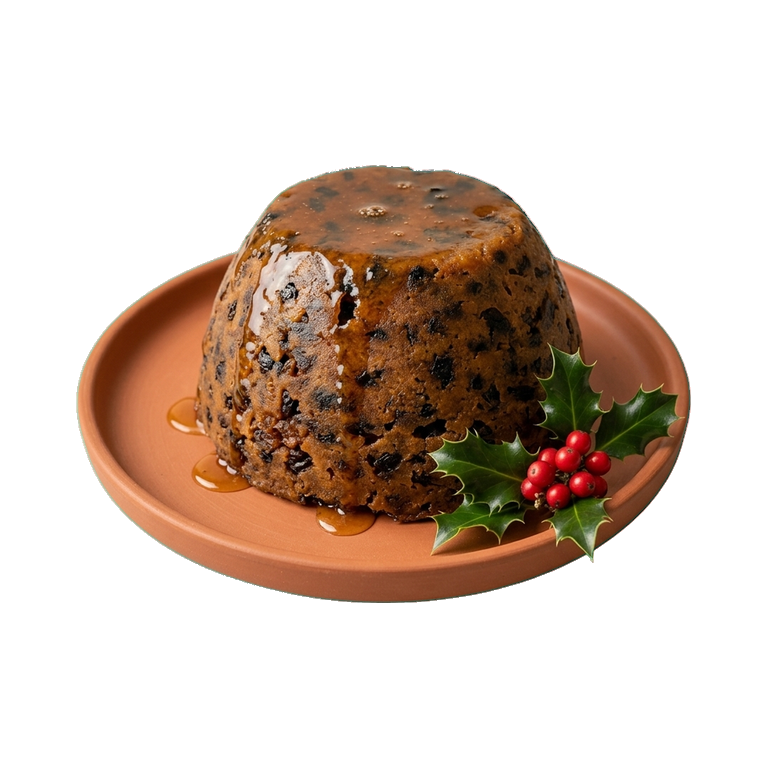
Dates are versatile. They are added to sweet baked goods, cereals and smoothies, stuffed with nut butters as a snack, and used to make sauces for meat and poultry. In Moroccan cuisine, dates are the foundation of many dishes, from tagines to sweet desserts. They pair well with cinnamon, ginger, cardamom and black pepper. Date syrup can be used instead of honey in sauces and marinades.
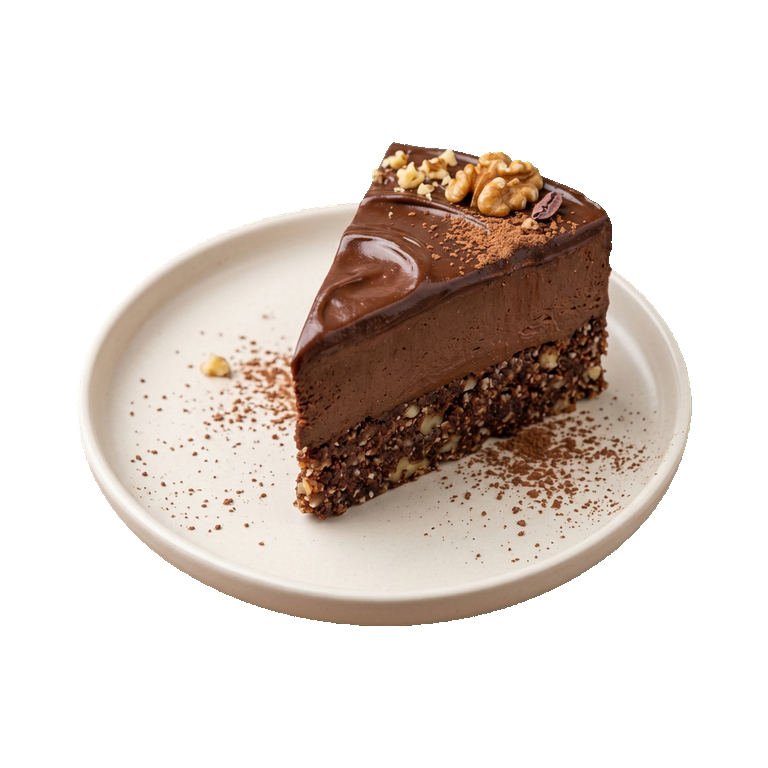
- Date paste — for raw food desserts and spreads on bread
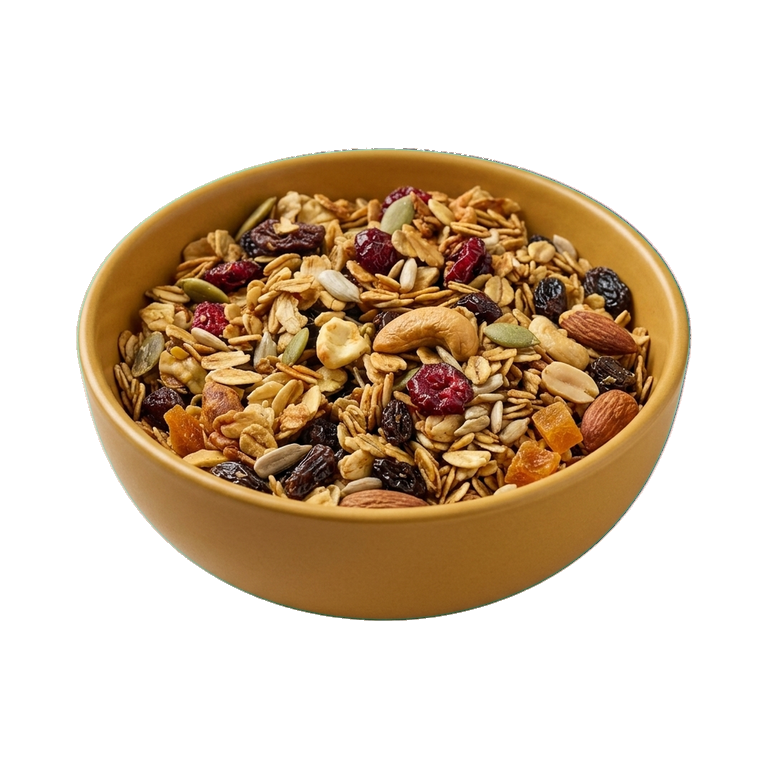
- Whole dates — in porridges, compotes, tea
- Date syrup — instead of sugar in sauces and drinks
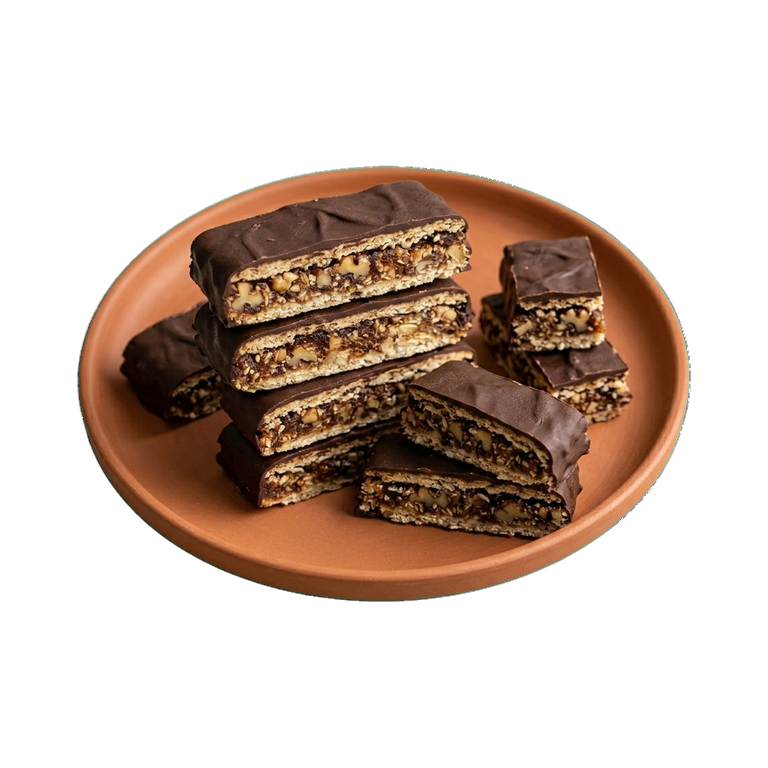
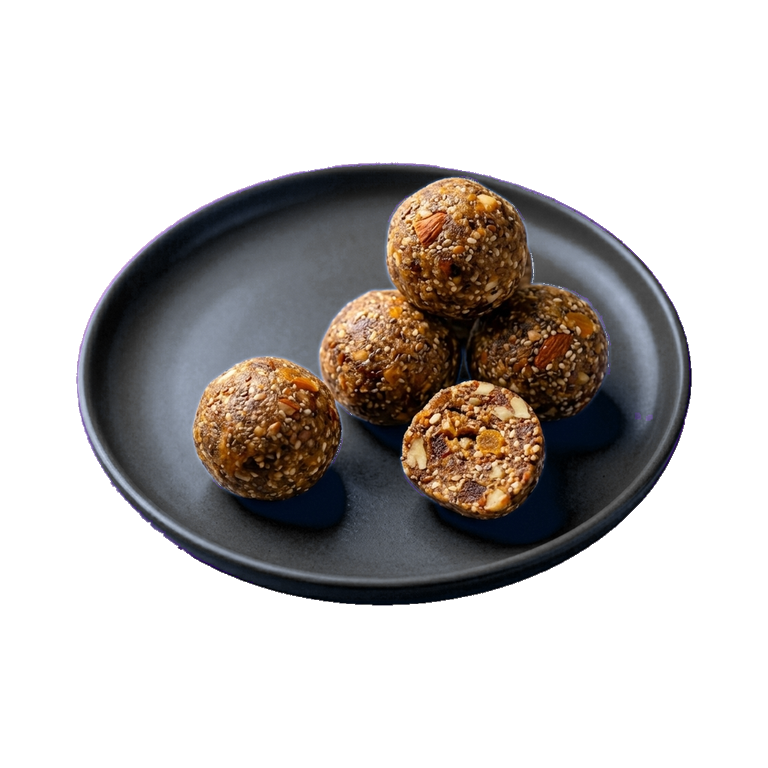
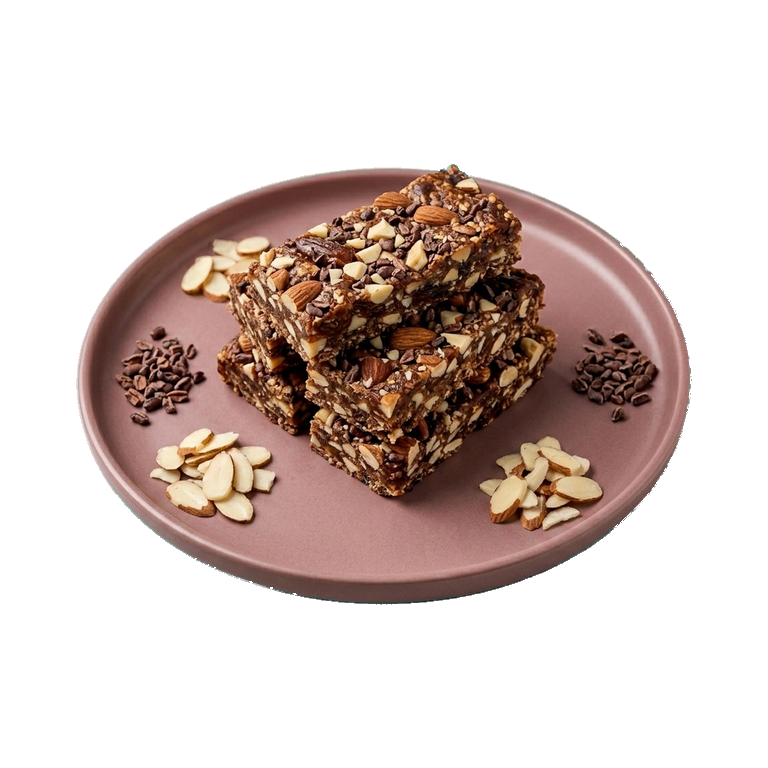
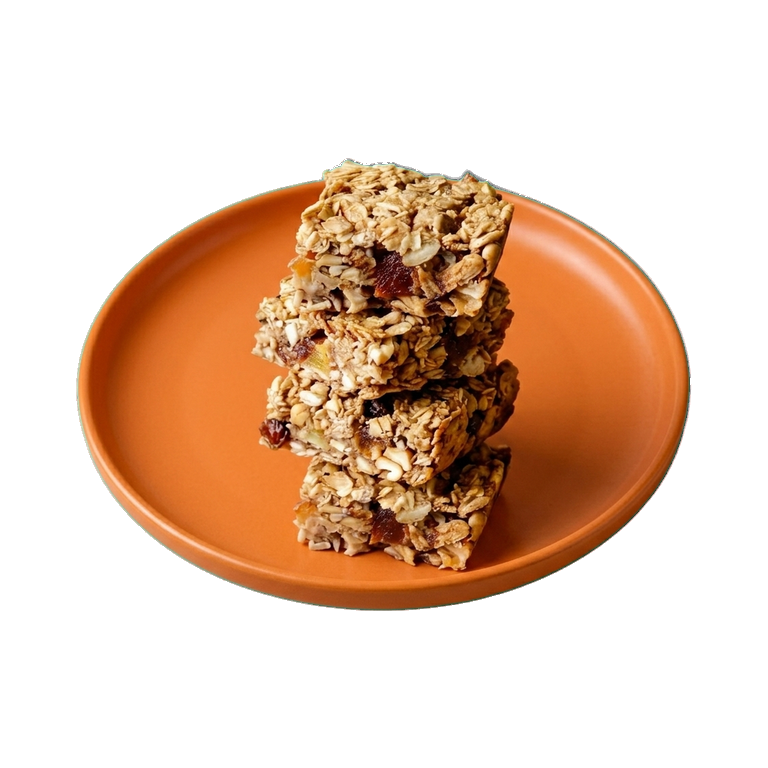
- Chopped dates — in baked goods, energy bars
Selection and Storage
When buying, choose dates without cracks, mold, or off-odors. Soft and moist dates are more pleasant to eat fresh, while hard ones are good for cooking and processing. Store them best in an airtight container in the refrigerator — this way they will retain their softness and won't dry out. At room temperature they harden, but don't spoil. If the dates are too dry, soak them in hot water for 15–20 minutes before using.
Dates are densely packed with nutrients, so they satisfy quickly. This makes them a convenient snack for a quick bite or an addition to breakfast. If you are cooking something with dates instead of sugar for the first time, start with half the recommended amount — their sweetness can be more intense than regular sugar.
Nutrition
per 100 g
- Calories
- 282 kcal
- Protein
- 2.5 g
- Fat
- 0.4 g
- Carbs
- 75 g
Measures and weight
- 1 tbsp
- 12 g
- 1 tsp
- 4 g
- 1 cup
- 200 g
- 1 pcs
- 7 g
Measure calculator
- Weight
- 100 g
- Calories
- 282 kcal